Want more from Front Office Sports
in your search results?
When the 2026 WNBA draft kicks off Monday night in Manhattan, the players who cross the stage will enter a vastly different league than their predecessors.
The WNBA is fresh off ratifying a new collective bargaining agreement with its players’ association last month. The deal raised the salary cap from $1.5 million in 2025 to $7 million in 2026, ushering in the first million-dollar player contracts and also benefiting the new rookies.
The No. 1 pick on Monday will earn $500,000 in her first season, significantly higher than the $78,831 earned by Paige Bueckers, last year’s top pick. For the second year in a row, that pick belongs to the Dallas Wings.
The No. 2 pick, heading to the Minnesota Lynx, will earn $466,913, and the No. 3 pick, going to the Seattle Storm, will get $436,016.
All drafted players who end up making a team will earn more than any WNBA player did last year. The league’s minimum $270,000 salary, which second- and third-round picks would earn if they make a roster after training camp, is higher than last year’s maximum salary of $249,244.
The names of four players have circulated near the top of the mock drafts in recent weeks: UConn’s Azzi Fudd, Spain’s Awa Fam, UCLA’s Lauren Betts, and TCU’s Olivia Miles. Even on the morning of the draft, mainstream mock drafts were pointing in different directions.
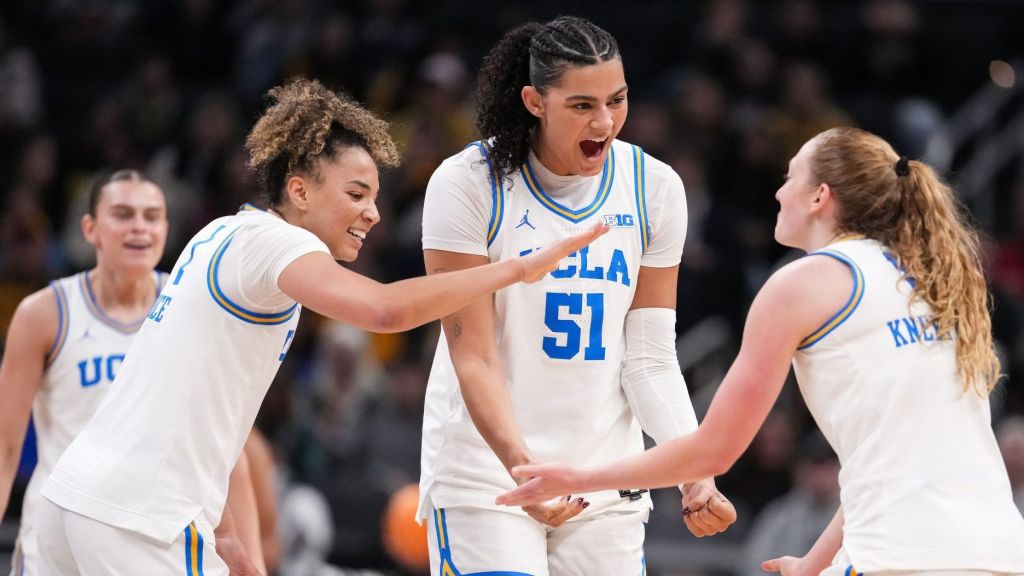
Several of Betts’s national champion Bruins teammates are also expecting to hear their names called Monday, including Kiki Rice, Gabriela Jaquez, Gianna Kneepkens, Charlisse Leger-Walker, and Angela Dugalić.
The WNBA’s Chaotic Preseason
The draft nearly got pushed back as CBA negotiations dragged into March. After several blown deadlines and more than a year of talks, the league and the players’ association reached a tentative verbal agreement in the early morning of March 18, a week after the self-imposed cutoff the league had set to keep the season on schedule.
Still, the preseason schedule marched onward. The Portland Fire and Toronto Tempo, the two new teams joining the WNBA this season, held their expansion drafts on April 3. The Fire selected the Lynx’ Bridget Carleton with the No. 1 pick, while the Tempo anchored its team with veteran Marina Mabrey at No. 6.
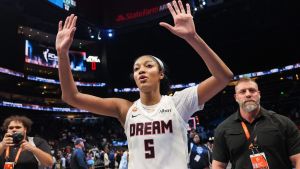
Then came the eventful free-agency window. The majority of veteran players were free agents, so they could benefit from the new CBA. Many stayed put, while others took off: Satou Sabally to the New York Liberty, Nneka Ogwumike to the Los Angeles Sparks, Skylar Diggins to the Chicago Sky, Brittney Griner to the Connecticut Sun, Alanna Smith to the Wings, and Gabby Williams to the Golden State Valkyries. Some major trades have also gone down, including Angel Reese to the Atlanta Dream for future draft picks, and the Sky trading Ariel Atkins to the Sparks for Rickea Jackson.
Next up after Monday’s draft is training camp, an annual gauntlet for the rookies. In recent years, only about 13 to 17 draft picks ended up on opening day rosters, however that number improved to 20 last year as Golden State opened up more spots. The Valkyries, Tempo, and Fire add 36 roster spots to the league that weren’t there just two seasons ago.
Download the FOS App
The business of sports, in your pocket.



Scan the QR code to get the app now.