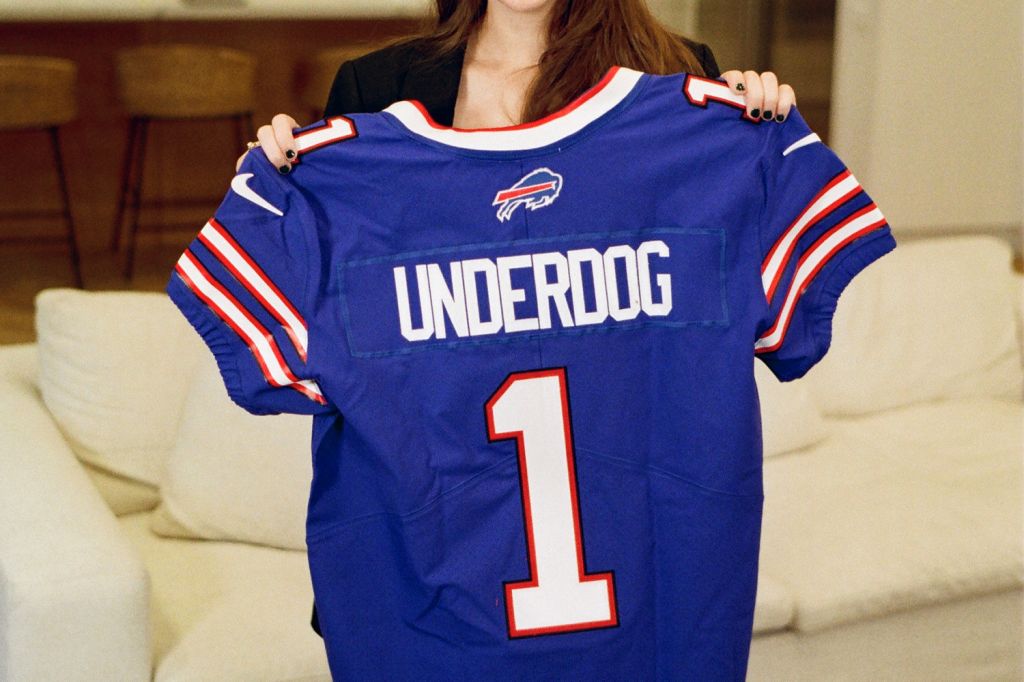
Underdog has laid off at least 125 people, including cutting two-thirds of its fraud operations team, a move that comes as the company’s focus shifts from traditional sports betting and paid fantasy draft contests to prediction markets.
The layoffs are much more significant than initially thought. Earlier on Monday, Front Office Sports reported that at least 15 total people were laid off, based on social media posts from now-former employees. Following publication, additional staff reached out, with one telling FOS the total number is at least 125 people, or just more than 20% of the company’s workforce. Underdog has more than 600 total employees, according to LinkedIn.
In a statement to FOS, Underdog CEO and founder Jeremy Levine pointed to the company’s pivot to prediction markets as the primary reason for the cuts.
“We transitioned our business this year. We went from a focus on a state-by-state framework to a national prediction markets platform with seamless offerings across the country,” Levine says. “It’s simply a different operation, and the changes we made are a part of that transition. We take pride in hiring people who are passionate, good human beings and who really care about their work, so if you’re hiring and come across an ex-Underdog person you’d be lucky to have them and call me for a reference.”
Affected employees were informed of the layoffs on Friday, Feb. 27. In addition to substantial cuts in the fraud operations department, Underdog reduced jobs across areas like customer support, graphics, marketing, and “drafts”—a product offering daily and season-long draft-based games.
One person who was impacted by the layoffs tells FOS that while they do not know the full scope, “I do know it is significant.”
Another, who says at least 125 jobs were cut, tells FOS they were a “top performer” on their team who “put my heart and soul into my job only to get fucked over in the most unserious way.”
Multiple people impacted say that a meeting was put on their calendar roughly an hour before lunchtime, and a message was sent in Slack—the company’s internal communication platform—apologizing for the short notice and saying that those who had received the invite should attend. The call informing them they had been laid off was short, and by the time the meeting was over, access to company property, including email and Slack, “had been cut,” according to one person. Multiple people say that roughly an hour later, a human resources manager called to confirm they had joined the meeting and to ask if there were any questions.
“It was definitely a surreal feeling,” one person tells FOS.
A Strategic Shift
Employees were told that the company’s “strategic shift” was the reason for the cuts. Underdog announced in September that it was entering prediction markets through a deal with Crypto.com, which would allow users in 16 initial states to trade on event contracts across the NFL, NBA, MLB, college football, and more.
Underdog had previously seemed primed to grow its traditional sports betting business, but the company has changed gears after the explosive growth of prediction markets since early last year. For instance, although it used to offer traditional sports betting in North Carolina, it shut down that operation in December, not long after dropping plans to obtain a license to offer sports betting in Missouri.
Meanwhile, last March, Underdog reached a deal with the New York State Gaming Commission under which it paid $17.5 million to settle claims it was unlawfully offering “certain types” of contests in the state.
For the moment, the regulatory environment for prediction markets seems less burdensome than traditional sports betting, which is regulated on a state-by-state basis. The president’s son, Donald Trump Jr., is an investor in Polymarket and an advisor to Kalshi, and Trump’s social media platform, Truth Social, plans to launch its own prediction-market platform in partnership with Crypto.com—the same company Underdog has teamed with.
The Trump administration has signaled support for the prediction-market industry, despite it facing a growing pile of legal threats from state regulators. Last month, Mike Selig, the recently approved chairman of the Commodity Futures Trading Commission—the regulator that oversees prediction markets—made clear he will fight for the industry.
“To those who seek to challenge our authority in this space, let me be clear: we will see you in court,” he said.
“That was a gut punch.”
Another Underdog employee who was laid off, customer support associate Marco Sandoval, posted a more than 13-minute video on YouTube explaining his experience. Sandoval, who worked remotely from Uvalde, Texas, is married with four kids. “This isn’t the best news,” he said in the video.
According to Sandoval, there was an announcement on Slack telling people to join a meeting, but no details were disclosed. “‘Big announcement,’ those are the words they used,” Sandoval said. He thought there may be a new partnership or some other company-related news.
Instead, after a few minutes of waiting, Levine popped up on the screen, looking “distraught,” Sandoval said. Levine apologized and said that whoever received this message had been laid off. “Wow, I did not see that coming,” Sandoval said. “That was a gut punch.”
Sandoval, who was with Underdog for a little less than two years, said he will receive eight weeks’ pay and may keep his company-issued laptop. Despite his disappointment in being laid off, he said he understands this wasn’t personal. “It is what it is, it’s business,” Sandoval said in his video.
Another person who spoke to FOS worked at Underdog longer than Sandoval. They say they will also get to keep their company laptop and receive 12 weeks’ severance pay.
The person says they understand what Underdog did “from a business sense.” But, “there is no doubt they could have conducted themselves and this shift in a better way, and they do underestimate the negative hit they will take as a result,” they added.