The get-in ticket price for the College Football Playoff national championship has finally begun to drop on multiple resellers—though prices are still higher than any CFP national championship on record.
On Wednesday, get-in prices dropped just below $3,000 on resellers including Ticketmaster, Stubhub. By Thursday morning, the get-in price on Stubhub was $2,760 after university-controlled tickets were dispersed by both Indiana and Miami.
Despite the drop, the minimum price for a ticket is nearly double the get-in price for Ohio State’s win over Notre Dame of $1,830 during the same time frame last year (leading into the weekend before the game). Meanwhile, the most expensive ticket on Ticketmaster Thursday was a seat in the first few rows of the stadium near the 50-yard line, listed for $29,750 (including fees).
Tickets quickly sold out, with well-known fans and alumni for both programs reporting on social media this week that they were left cobbling together thousands of dollars to try to lock in tickets on the secondary market. Some fans publicly criticized not just market inflation but also the way their own universities distributed tickets.
How We Got Here
Before Miami secured its spot, tickets were $350 a piece, billionaire Dallas Mavericks minority owner and IU booster Mark Cuban himself noted on X. But over the weekend, prices surged, with the cheapest seat on Ticketmaster selling for $3,565.
Several factors have likely contributed to a perfect storm of high demand and even higher prices. For starters, Hard Rock Stadium in Miami holds just 65,000 people—less than some of the other CFP venues.
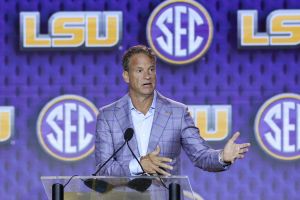
In response to the skyrocketing prices, CFP executive director Rich Clark told reporters Tuesday: “It’s more expensive than Taylor Swift? We have arrived. That’s awesome. I will just say that speaks to the excitement of the game.”
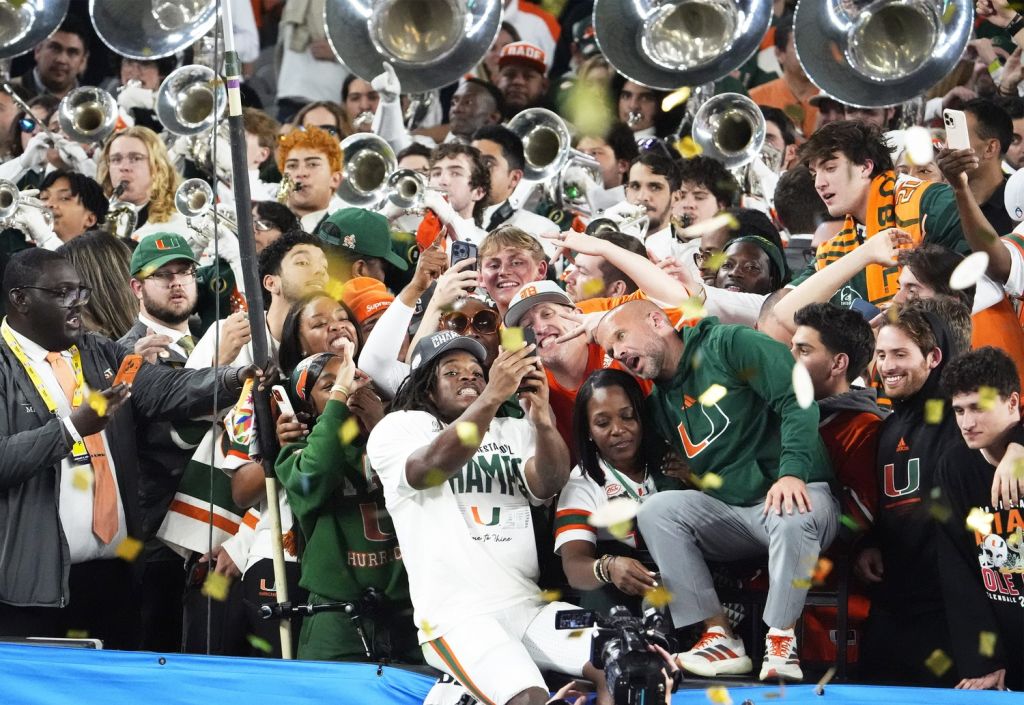
The teams playing are another factor. Neither the Hurricanes nor the Hoosiers are considered college football bluebloods, which can often put a dent in TV viewership. But if anything, it has galvanized more support for the fan base. Hurricanes will be playing in their home stadium, likely driving up local last-minute demand. And Indiana boasts the largest living alumni base of any university nationwide.
Team-Specific Struggles
The two participating schools, Indiana and Miami, each get 20,000 tickets to sell to their respective fan bases; the rest are up for grabs through other various channels. Ticketmaster is the official ticket partner for the CFP, and also the only verified resale partner.
Both Miami and Indiana fans have complained on social media that they haven’t been able to get tickets through their schools, despite many being season ticket holders and/or donors that would earn them first dibs on postseason tickets at better prices than the resale market. Some Miami fans claimed they would cancel their season tickets.
In some cases, fans were very publicly able to get tickets through other means.
Well-known Miami superfan Shelton Douthett posted on X that national championship tickets were sold out. “Welp I’m heart broken,” he wrote. Miami NIL collective Canes Connection, which is normally tasked with soliciting donations and procuring NIL deals for Miami athletes, swooped in to help. The collective told Douthett in a subsequent post that they could “hook him up.” By Wednesday, Douthett had posted: “I don’t know what to say or even if I deserve this but thank you so much @CanesConnection for sending me [to the] National Championship!”
On the Indiana side, it sounded like Cuban himself was soliciting advice on how to get his fellow Hoosiers fans tickets. “Can any ticket brokers with experience selling CFP Championship games give any comps and insights into how they think prices will move between now and right after kick off?” he wrote this weekend. “Lots of IU fans want to know!”
TickPick, one of the sites offering secondary-market CFP tickets, wrote in response to one of Cuban’s tweets: “For marquee events (CFP title, Super Bowl), prices typically peak right after the matchup is set, then soften as emotions settle and more inventory hits the market. Prices tend to pop the day of the event as we see increased activity from last-minute buyers.”