Want more from Front Office Sports
in your search results?
As McLaren Golf launched this week with plenty of fanfare—and some sticker shock—the burgeoning brand’s chief executive is confident its first consumer products are priced appropriately.
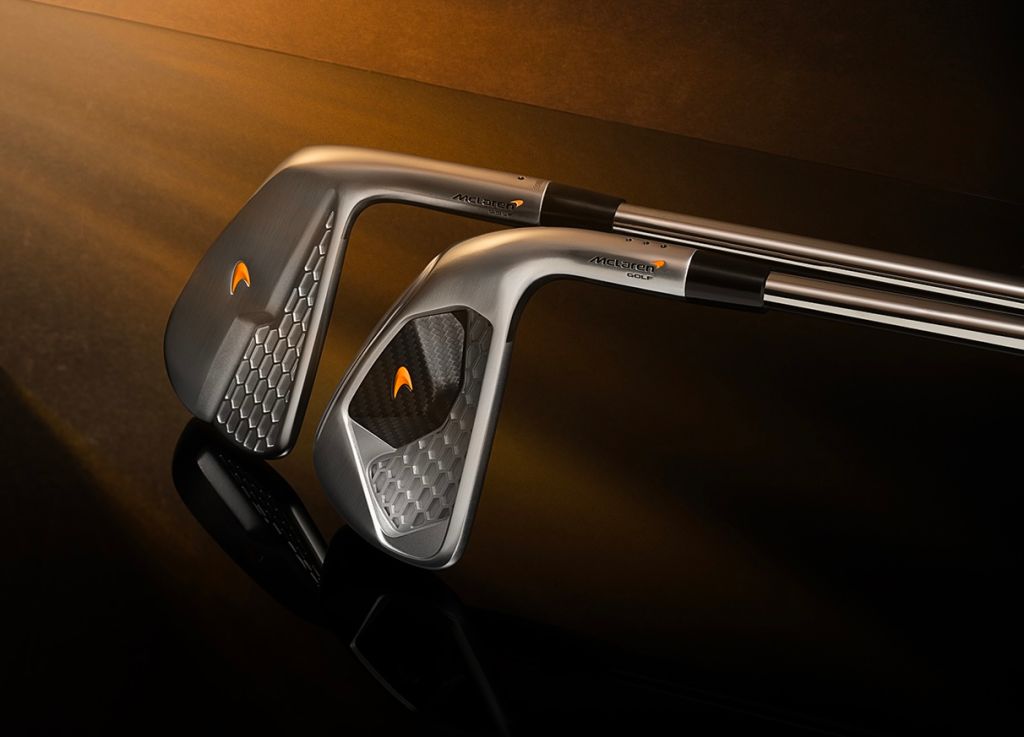
McLaren, the luxury car maker best known in sports for its championship-winning Formula One team, has entered the golf equipment market with two sets of irons that cost $375 per club.
“I feel the price point is justified,” McLaren Golf CEO Neil Howie tells Front Office Sports.
A full seven-club set (4 iron through pitching wedge) of McLaren’s first two iron collections, Series 1 and Series 3, runs for $2,625.
“I’ve spoken to a lot of retailers over the last few months, but I’ve had a few say ‘you probably should be more expensive,’” Howie, a former Callaway Golf executive, says. ”It’s tricky. The process that we’ve gone through is expensive. This is not a cheap manufacturing methodology.”
By comparison, Titleist irons—the most popular on the PGA Tour—cost between $215 and $285 per club for the company’s newest T-Series line. TaylorMade charges roughly $250 per club for its premium P7TW irons designed with Tiger Woods. PXG, a manufacturer sometimes criticized by golfers for its high prices, starts pricing for its top-tier Gen 8 irons at $230 per club.
McLaren’s iron pricing is more in line with brands like Dunlop’s XXIO Prime or Avoda, which sell irons sets for around $3,000, although they each have just a small presence of tour pros using them.
“It’s kind of up there, but it’s not in fairyland,” Howie says. “Obviously, we’ve done all the competitive analysis of retail prices, and we’re top end, but we’re not out there.”
Lights, Camera, Action
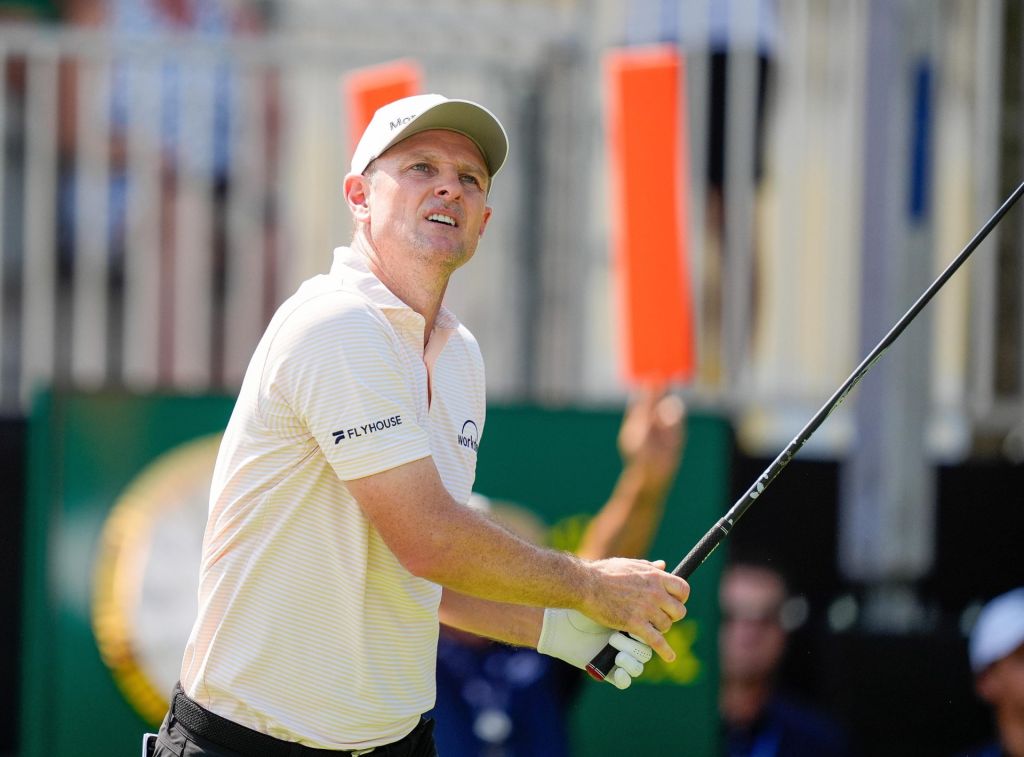
Justin Rose is McLaren’s first and most notable ambassador, alongside LIV Golf’s Ian Poulter and former LPGA star Michelle Wie West, who is making a semi-comeback to the professional game. All three are also investors in McLaren Golf, although specific equity stakes and other financial details are not public.
Rose is debuting McLaren’s irons this week at the Cadillac Championship at Trump National Doral; he shot a 74 (+2) in round 1.
“The irons work,” Howie says. “I’m not going to go and slap a big price ticket on something I don’t believe in because that just doesn’t make any sense, and you get called out really quickly.”
McLaren expects to sign more ambassadors in the future, Howie says, and plans to eventually target younger golfers on lesser tours for developmental purposes.
Why McLaren Chose Golf
McLaren’s entry into the golf business has been several years in the making. Howie was retired when he was first asked to consult on the McLaren Golf team, and ultimately ended up taking the CEO position.
“They just wanted to dip their toe into other things, and this has the most synergy of probably any other sport with what they’re doing, if you think about it,” Howie says. “It’s the study of how objects fly through the air. So, with the material science expertise they have, with the aerodynamics expertise they have, it fits beautifully in with golf.”
There will be more iron sets—”when we’re ready,” Howie says—and the goal is to eventually make a full bag of clubs, including wedges, putters, metalwoods, and drivers.
“I know the golf engineers are having so much fun with the F1 guys,” Howie says. “It’s a joy to behold. There’s some nice synergies—plus the fact, I think, that there’s probably quite a lot of McLaren owners that play golf.”
Despite the high price point, the initial reaction from consumers has been positive. “Early orders after 24 hours would suggest there’s plenty of people out there willing to impart that sort of cash,” Howie says.
McLaren Golf is building a headquarters about a half hour away from the McLaren Technology Center in Surrey, England. The team of roughly 20 employees is spread out between the U.K. base, New York, Carlsbad, Calif., and Scottsdale, Ariz.
Download the FOS App
The business of sports, in your pocket.



Scan the QR code to get the app now.