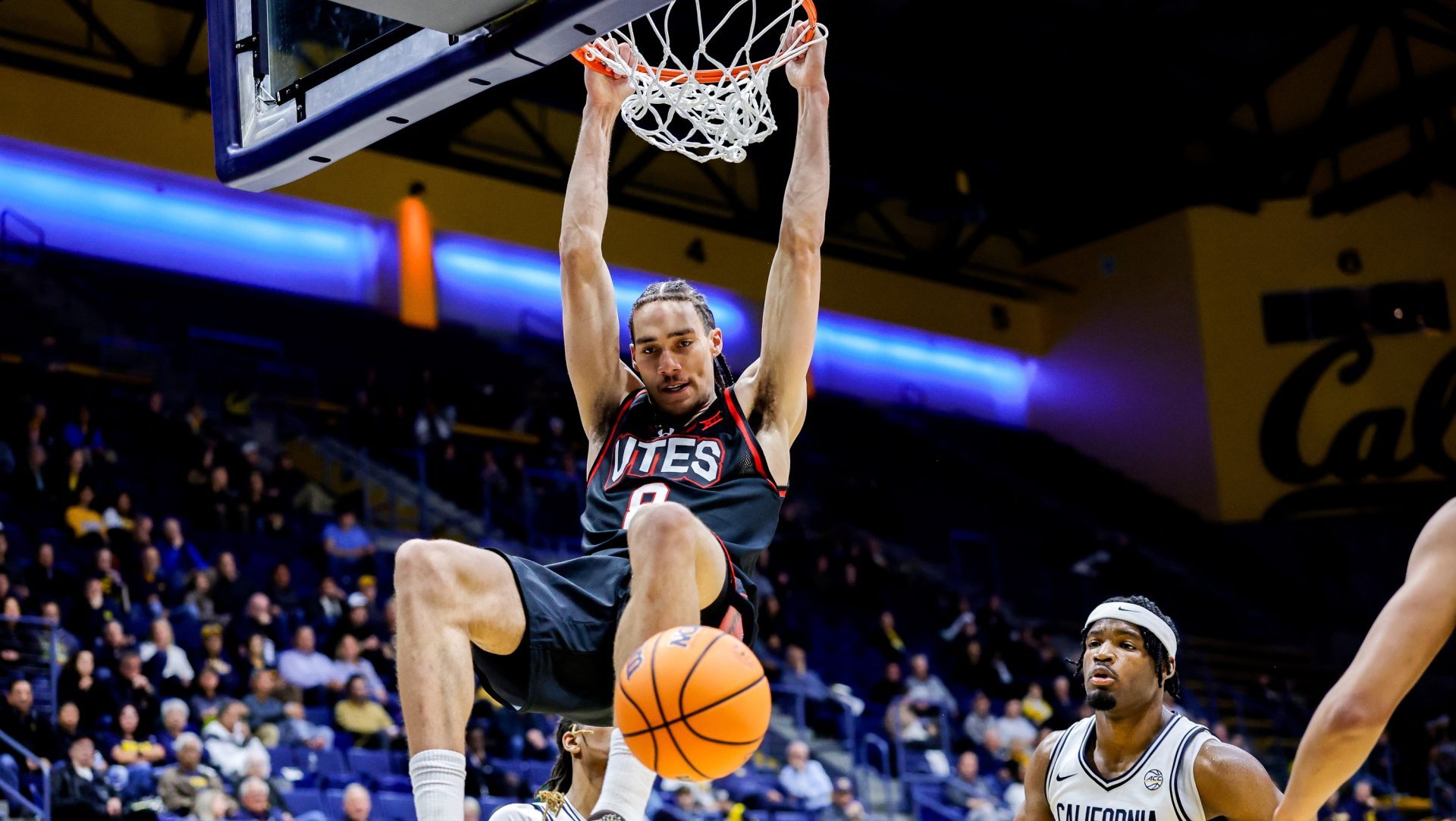
LAS VEGAS — The University of Utah made a gutsy move this week that got the attention of the entire college sports industry. The Utes voted to become the first athletic department in the country to strike a private equity deal.
The announcement of the deal came on the morning of an industry-wide gathering in Las Vegas at the SBJ Intercollegiate Athletics Forum, where Utah’s move immediately became a hot topic. Through two days of panel discussions, it became clear administrators are no longer acting as if taking private equity investment is a doomsday scenario. In fact, the conversations around future deals were open and relatively positive. Utah’s move could push other schools (and perhaps conferences) to get moving on their own deals.
“Everybody’s in some sort of conversation, whether it’s at the conference level or school-wide,” Ohio State athletic director Ross Bjork said on a panel Wednesday. “I think you’ll see more announcements.”
PE firms have been looking for ways into athletic departments and conferences for the past few years, but none have been successful until now.
Florida State explored a deal with Sixth Street Partners that it ultimately abandoned in 2024. This summer, Boise State athletic director Jeramiah Dickey told Front Office Sports the school was working on a private capital deal, but it has not announced anything.
This fall, the Big Ten came very close to taking a $2.4 billion investment from the University of California pension fund system in exchange for equity; at least two member schools objected. Two schools have taken private credit from a $500 million fund through sports consultancy firm Elevate, which includes funds from PE firm Velocity Capital Management and the Texas Permanent School Fund (Elevate offers loans rather than equity shares).
But overall, athletic departments have been cautious about private equity. Utah’s deal may break the seal.
Jonathan Marks, chief business officer of Elevate, said on a PE panel Wednesday that just the news of the deal itself appeared to make administrators more open to deals of their own, a sentiment echoed among other school officials who attended the conference.
“I’m not a very popular person,” Marks said. “But I read a lot of text messages and emails yesterday saying ‘let’s have a discussion’ once that was announced.”
The deal could be a blueprint for schools going forward.
The Utes voted to spin off athletic department assets into a for-profit LLC called Utah Brands & Entertainment, which would be majority owned by the university, with Otro owning a significant minority stake. Boosters could purchase stakes as well, and Otro would get a percentage of annual revenue. Risk will be “shared” between the school and Otro. An exit strategy kicks in in five to seven years, giving the school the ability to buy back shares.
Other schools, including Kentucky, Michigan State, and Clemson have created LLCs for their athletics operations—but Utah’s is the first with private equity taking a stake. What’s more, the deal appears to satisfy some of the major concerns about inviting private equity into an athletic department, including giving too much control to the PE firm, and allowing the PE firm to pull out of its position at any time and therefore require the school to pay back a major lump sum.
Though he has urged caution with PE deals, NCAA President Charlie Baker said Tuesday he believed the deal was “really well thought out and really well designed.” Specifically, Baker praised the fact that the school retained majority ownership, and they were able to get Otro to sign on for a minimum number of years. Baker also confirmed that Utah sought the NCAA’s thoughts on the deal in advance.
But the blueprint may not work for every school—whether it be because of state laws, institutional hesitations, or the fact that schools simply don’t feel they need to take the risk.
“I think the challenges are … when you have 16 or 18 schools, does it fit all schools, sizes, where they’re at, what their endowment is, all those things,” ACC Commissioner Jim Phillips, who indicated his league is still open to PE, said Wednesday. “But I’m excited about going with that, considering that every day there’s new information in that space.”