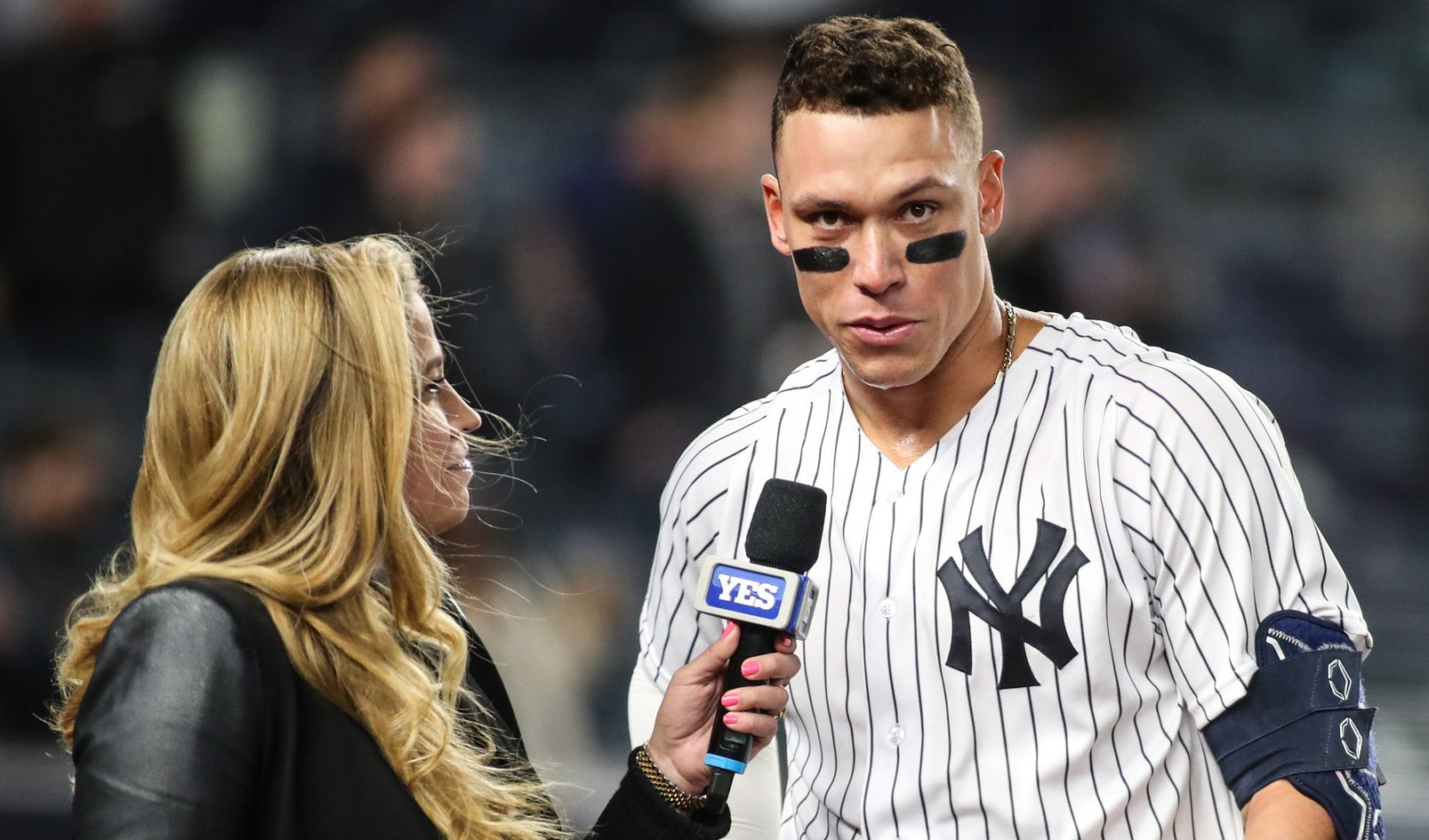
While many regional sports networks are in active retreat, the YES Network is attempting to buck the trend by adding even more shoulder programming to its coverage of Yankees games.
The New York-based RSN, controlled by the Yankees ownership group, is adding an extra hour of pregame coverage and an additional 30 minutes of postgame programming to weeknight, non-national games of the MLB club.
Yankees Rewind, a look back at prior games and series and The Lineup, a deep-dive on the team’s batting order that day and the network’s upcoming programming, will each run for 30 minutes and precede YES Network’s existing Yankees Batting Practice Today and the traditional pregame show. Extra Innings Live, an extended review of that evening’s game, will follow the normal postgame program.
The Yankees Rewind show will also feature the full pregame press conference from team manager Aaron Boone—something the YES Network has previously shown in clips but never before in its entirety.
As a result, full coverage of a typical weeknight Yankees game will now run for about six and a half hours.
“Yankee fans have an insatiable appetite for content. They can’t get enough,” YES Network executive producer and VP of production Jared Boshnack told Front Office Sports. “All RSNs are not created equal. We continue to invest.”
The network is also attempting to boost its game audiences beyond last year’s average of 293,000 viewers per game, up 5% from 2024.
State of Change
The latest YES Network changes arrive amid a period of heightened transition for both that outlet and the entire RSN business.
Gotham Sports, the joint venture between the YES Network and MSG Networks, recently rolled out a series of price reductions for its streaming product. Like any other linear television outlet, the YES Network is trying to manage ongoing cord-cutting across the industry.
“We are regional in name only,” Boshnack said.
Separately, all nine clubs previously with embattled RSN operator Main Street Sports Group left in February. Most of them aligned with the in-house MLB Media model for the production and distribution of their local games. The Braves and Angels, meanwhile, opted to form or operate networks of their own. In any of those situations, though, the short-term revenue for the involved clubs is more uncertain compared to the guaranteed local rights fees in their prior contracts.