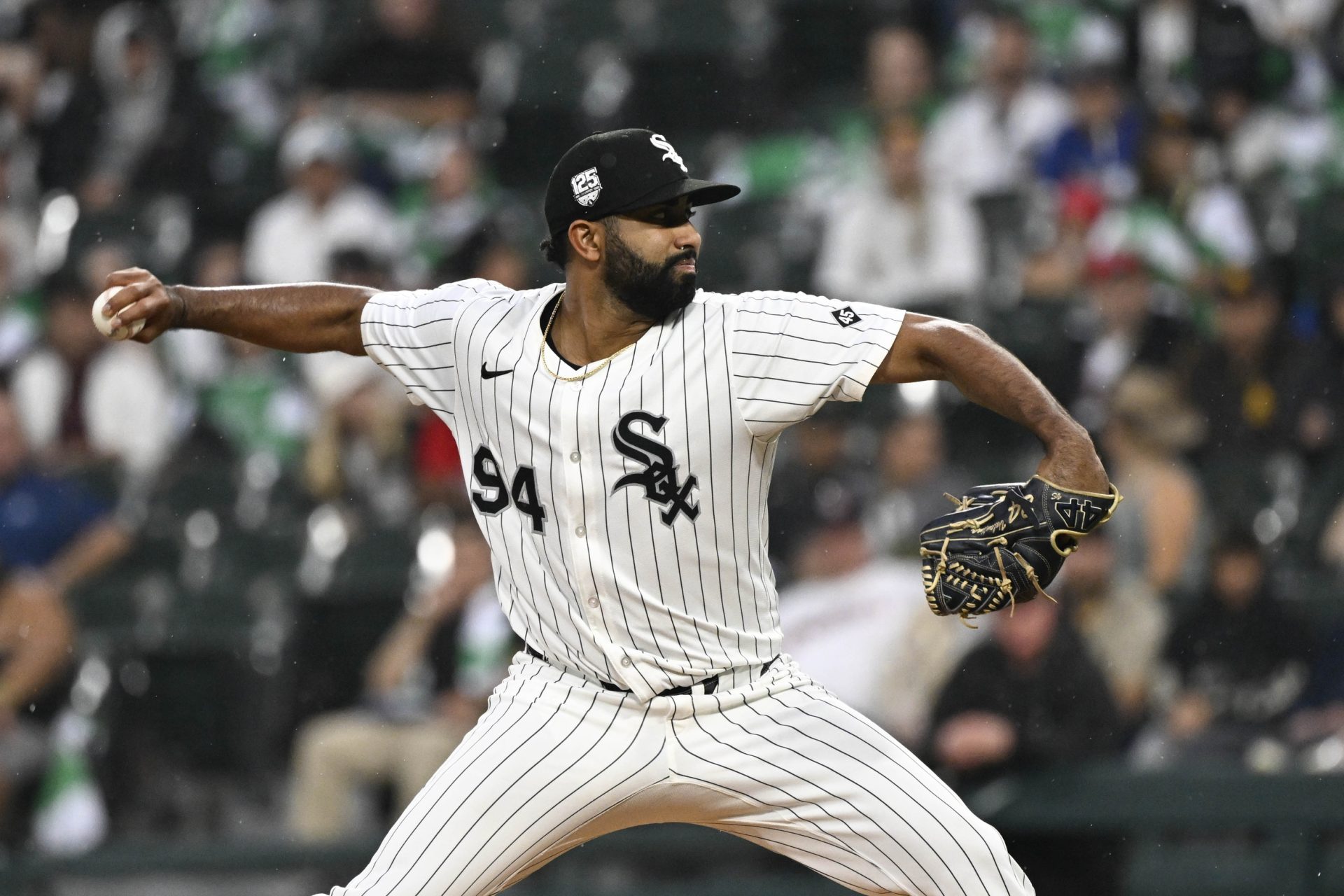
The White Sox’ rebuilding campaign, which could extend into a new ownership era, received a major lift after the team won the 2026 Major League Baseball draft lottery on Tuesday—but there was plenty of movement in the selection order below the club.
Chicago, which finished the 2025 season with a 60–102 record, held the best odds going into the lottery of landing the No. 1 pick, at 27.7%, and that probability was confirmed as the White Sox got the top overall pick for the first time since 1977. Baseball Hall of Famer Harold Baines, the team’s selection in that prior draft, represented the White Sox at the lottery.
Similar to draft lotteries in other major leagues, though, the rest of the results featured plenty of movement. The Rays elevated from the seventh-best odds to land the No. 2 pick. The Giants rose from the 12th position to No. 4, and the Royals landed the No. 6 pick after standing in 13th position entering the lottery.
For the White Sox, the draft lottery win represented a potentially meaningful pivot point for the franchise. Already, transition is forthcoming as owner Jerry Reinsdorf earlier this year agreed to a multistage sale of the team to Justin Ishbia.
“This is a significant event for us. It can’t be understated how important it is,” said White Sox GM Chris Getz. “We’ve been hard at work at bringing talent into the organization in different ways, and obviously the amateur draft is an obvious avenue. Now, to be able to get a chance at the top talent in the draft, it’s really exciting and just gives us a greater boost.”
As MLB prospects in many instances have shortened their development pathway to the major leagues, the league’s draft continues to rise in importance. The No. 1 pick in 2023, Pirates star pitcher Paul Skenes, has already won National League Rookie of the Year and Cy Young Awards.
Last year’s No. 1 pick, Travis Bazzana, is still in the Guardians’ minor league system, while shortstop Eli Willits, the top selection this year by the Nationals, completed his first season of professional play at Single-A Fredericksburg.
Exceptions to the Rule
The draft lottery had several additional rules that affected the upcoming selection order. The Rockies, who finished with a league-worst 43–119 record and narrowly avoided the worst season in modern baseball history, was excluded from this year’s lottery. Teams that are revenue-sharing recipients—which Colorado is—cannot be in the draft lottery for three straight years. The Rockies had the No. 4 pick in 2025 and No. 3 pick in 2024.
Teams that pay into revenue sharing, meanwhile, can’t be in the lottery in back-to-back years. That pushed out the Nationals, as well as the Angels.
The Rockies, who just hired Paul DePodesta from the Browns to run their baseball operations, will now pick 10th, the Nationals will select 11th, and the Angels will be 12th.
The Mets, meanwhile, had a feast-or-famine situation entering the draft lottery. The team had just a 0.67% chance of getting the No. 1 pick, and if out of the lottery, would be subject to a 10-slot reduction for reaching the third level of the competitive-balance tax. That’s exactly what happened, and the Mets will now pick at No. 27. The Yankees and Dodgers will also have their draft positions lowered for the same reason.
For the Mets, though, it continues a rugged offseason that has already included the departures of free agents Pete Alonso and Edwin Díaz.