While Kalshi is taking most of the shrapnel in the war between state regulators and prediction markets, its archrival Polymarket has been gearing up to try and disrupt the marketplace in sports betting and other event contracts in the United States.
Polymarket was banned from the U.S. from January 2022 until last year, under a settlement agreement with the Biden-era Commodity Futures Trading Commission (the regulator said it had reason to believe Polymarket was offering event-based contracts on a platform that wasn’t properly registered under U.S. law, although Polymarket neither admitted nor denied any wrongdoing).
So far, it’s had a quiet rollout in its return. For example, the breadth of its Super Bowl prop markets on its international platform is lacking compared to Kalshi and traditional sportsbooks—and nonexistent in the U.S.
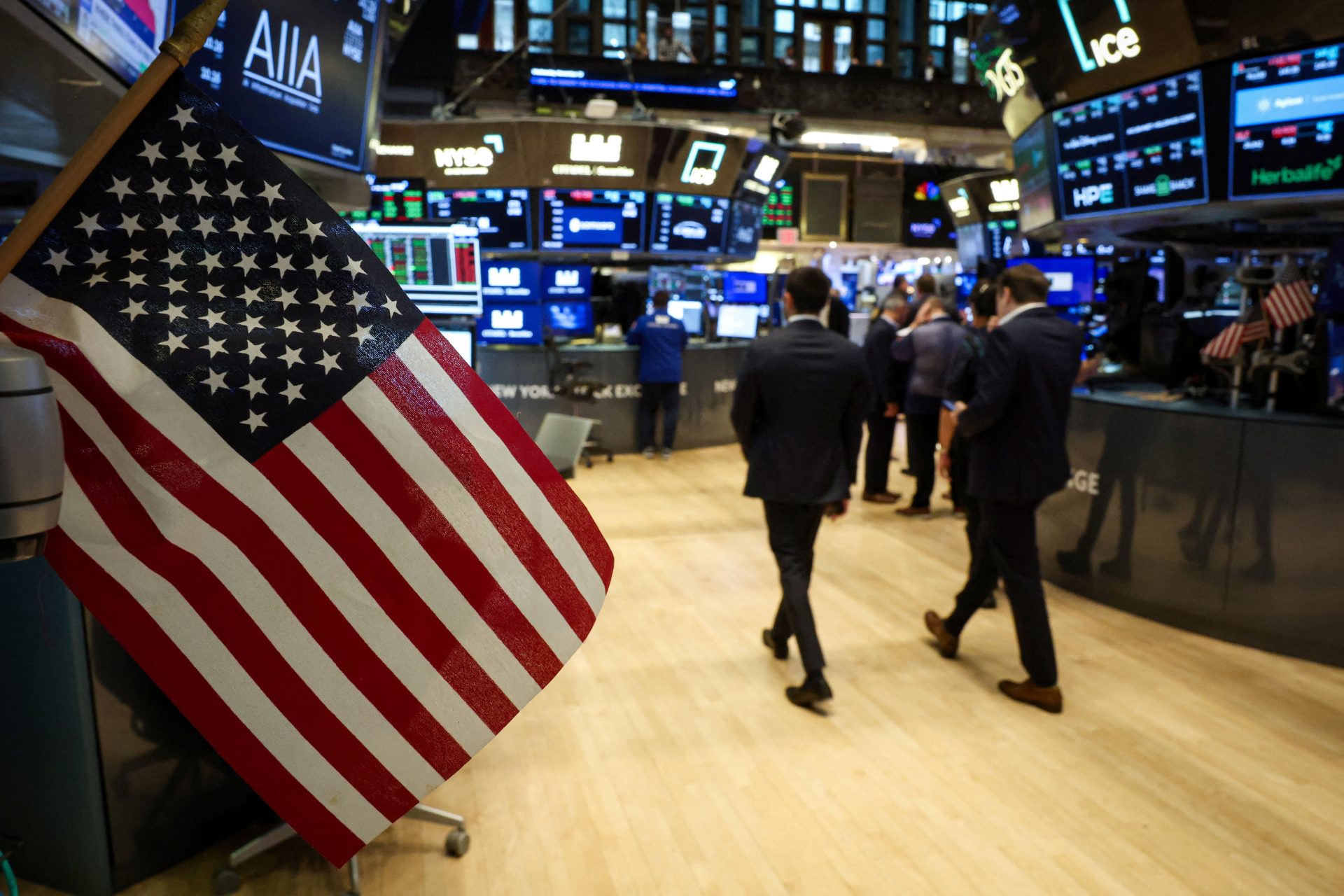
Nevertheless, to call Polymarket a “sleeping giant” would underestimate the groundwork that’s being laid for massive growth this year and beyond. In October, Intercontinental Exchange —which owns the New York Stock Exchange—invested $2 billion in the platform, at an $8 billion valuation.
“When you have the operator of the NYSE putting in $2 billion, that’s a signal it’s not just 29-year-old entrepreneurs; it’s serious money and this is a serious player” one legal industry source says. “They are involved in this because they see this as the future.”
Elsewhere, exposure has been ramping up.
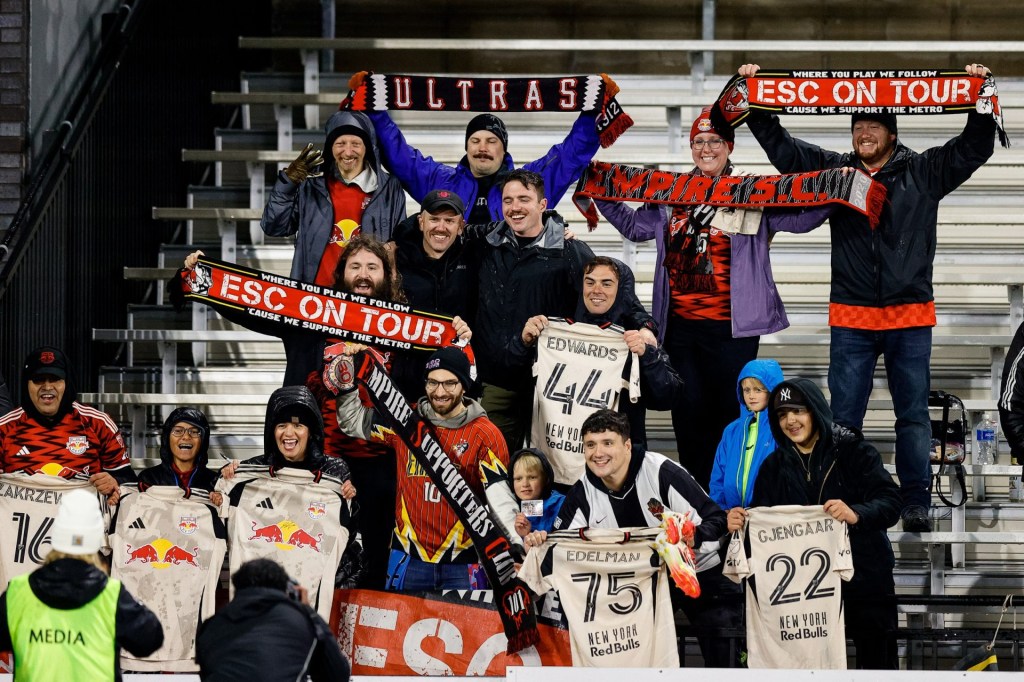
Late last month, during the debuts of Zuffa Boxing and UFC on Paramount+, Polymarket signage was inescapable. It also has an exclusive deal with the MLS and one with Wall Street Journal publisher Dow Jones; Polymarket and Kalshi both have deals with the NHL, and Polymarket has a separate deal with the Rangers (Kalshi has a deal of its own with the Blackhawks).
Meanwhile, you can’t avoid either Polymarket or Kalshi on social media, where their own accounts and creators who are getting paid to display the prediction markets’ badges are amplified left and right, sometimes for risque, objectionable, or fake content.
It’s not just advertising reach—Polymarket is poised to make strategic hires. Ari Borod, the chief business officer of Fanatics and the second in command behind Matt King in the company’s betting division, is expected to join Polymarket in an executive role, sources told Front Office Sports. Spokespeople for Fanatics and Polymarket declined to comment.
Nevertheless, Polymarket’s U.S. relaunch, hyped since the summer, hasn’t exactly gone off without a hitch. The app didn’t start becoming available to users until early December, and its offerings remain limited to sports (its international website, which is not available to U.S. users, has markets on many other topics, such as “Will Jesus Christ return before 2027?”). It has dealt with some tech snafus—a sizable number of users on social media have complained about issues withdrawing money—and last month was hit with its first lawsuit, by the gaming regulator in Nevada (Polymarket is currently not available in Nevada for at least the next two weeks under a court order in that case).
Not everyone is so sure Polymarket is going to become an immediate juggernaut in the U.S., where trading on prediction markets has soared since early 2025. One day last month, for example, Kalshi set a record with $465.9 million in trading volume—or roughly two-thirds of total prediction-market trading for that day—while Polymarket and a platform called Opinion combined for about $100 million in trades.
“Polymarket is going to have to sign up all their users from scratch. You can say of course they will because of their exposure, but users hate signing up for new things,” one source in the prediction market industry told FOS. “They don’t have a massive platform like Robinhood feeding into them like Kalshi has had, at least not yet. They’re going to have to bootstrap their liquidity [i.e. large traders willing to set markets]. They’re obviously a big brand but some people are underestimating how hard that will all be to build.”
Prediction markets are in a peculiar place, where they’re rapidly growing but not yet on solid legal footing. Platforms like Kalshi and Polymarket say they are federally regulated by the CFTC, whose leadership has indeed signaled an approval of the exchanges. This distinction would give them a leg up over traditional sportsbooks, which are legal in 38 states and Washington, D.C., but not big ones like California and Texas. FanDuel, DraftKings, and Fanatics have sought to leverage this grey area by launching their own prediction market platforms, only offering sports markets in states where they’re not currently licensed. Finance giant Susquehanna (SIG) and Robinhood plan to collaborate on their own exchange as well — and given that Robinhood has already introduced a big marketplace on these trades and SIG has supplied liquidity for a lot of the industry, this figures to be a formidable player.
A bevy of states—including Nevada, Maryland, Massachusetts, Nevada, New Jersey, and the tribes of California—have taken action to stop Kalshi—some have sued the platform, while others issued cease-and-desists, which led Kalshi to sue them. The exchanges remain in operation in these states as the litigation winds its way through the courts, and a potential showdown between federal regulators and state sovereignty looms.