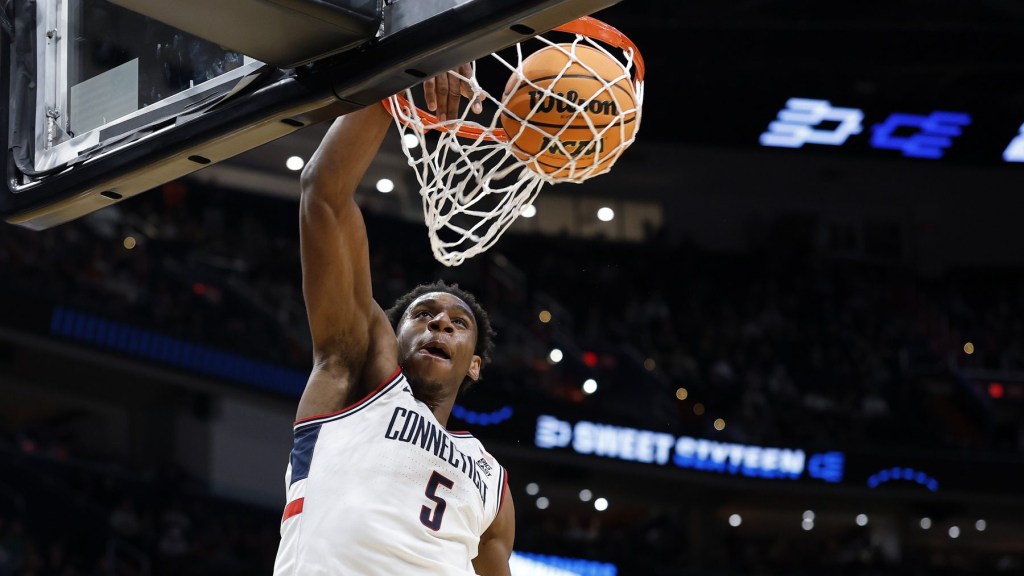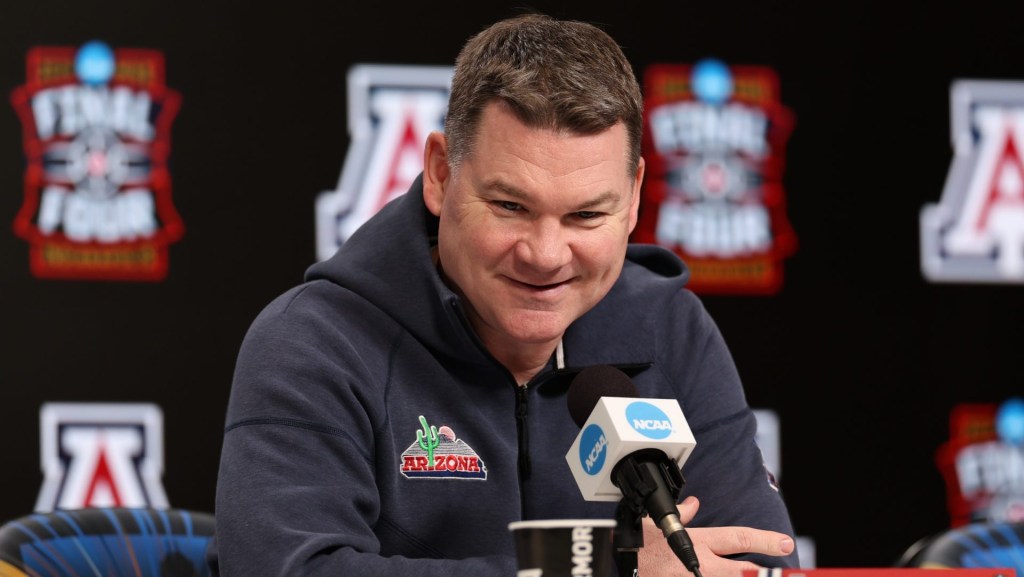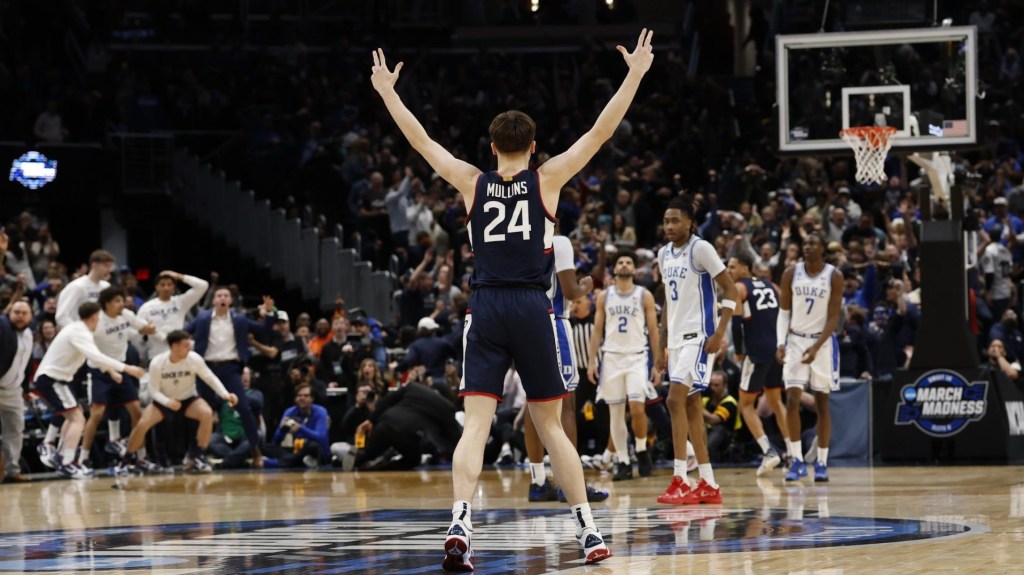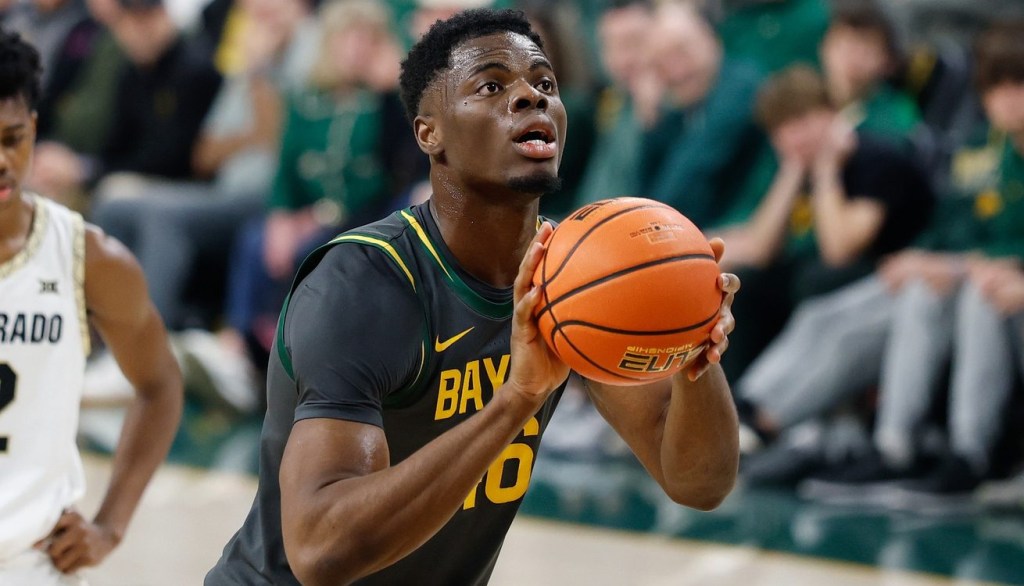
INDIANAPOLIS — All four men’s programs at the Final Four this year have at least one thing in common: They’ve invested in international players.
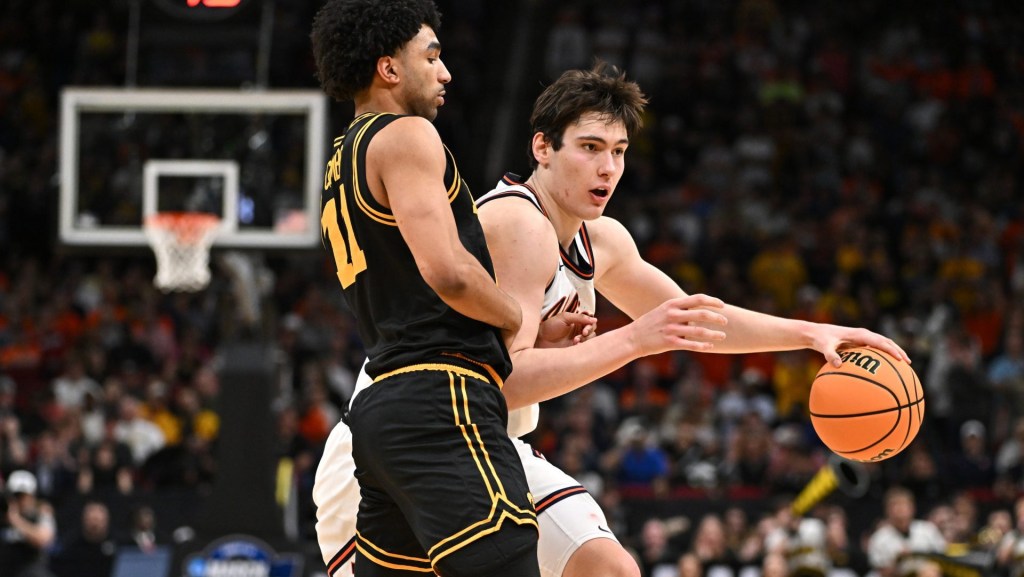
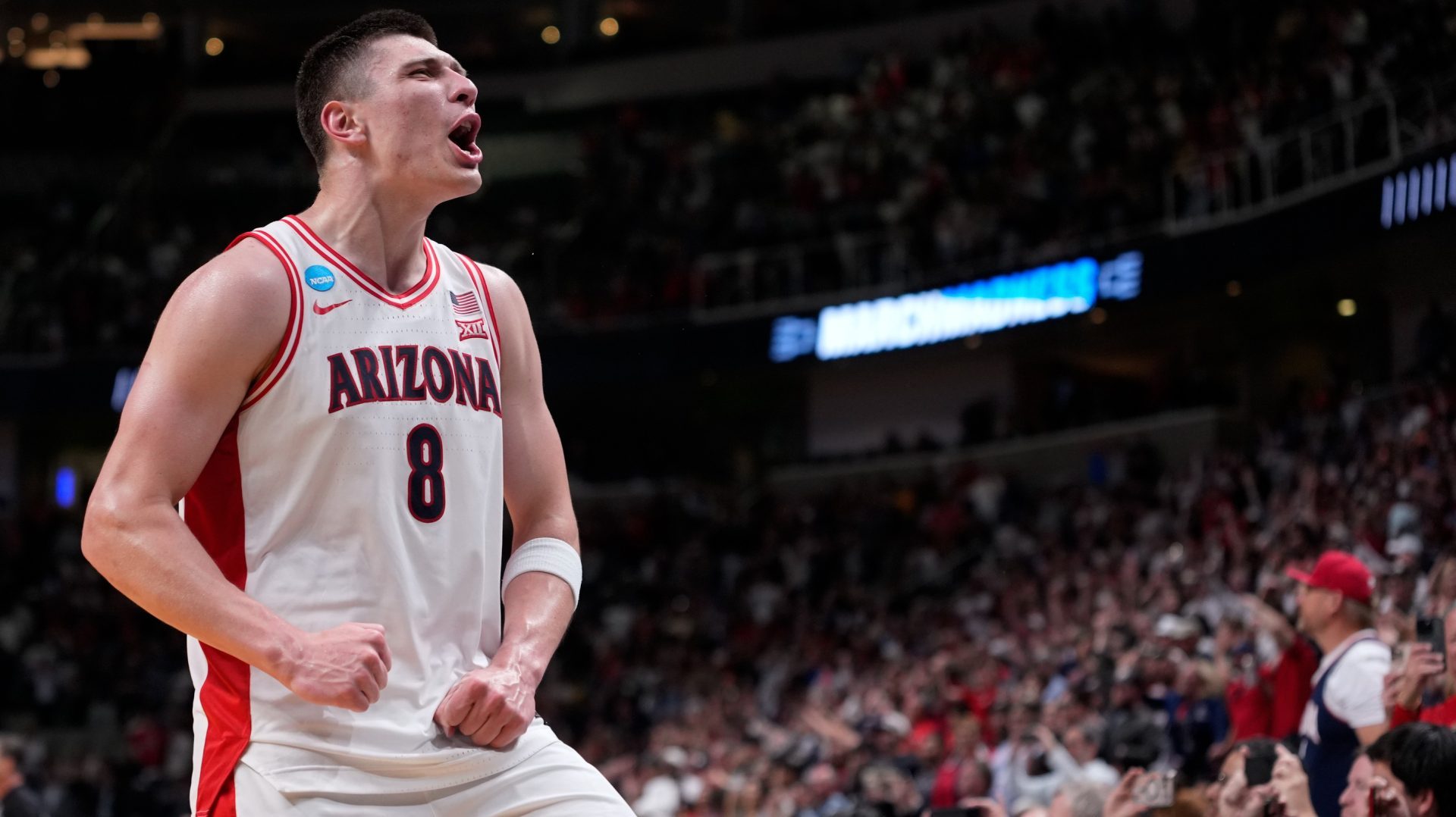
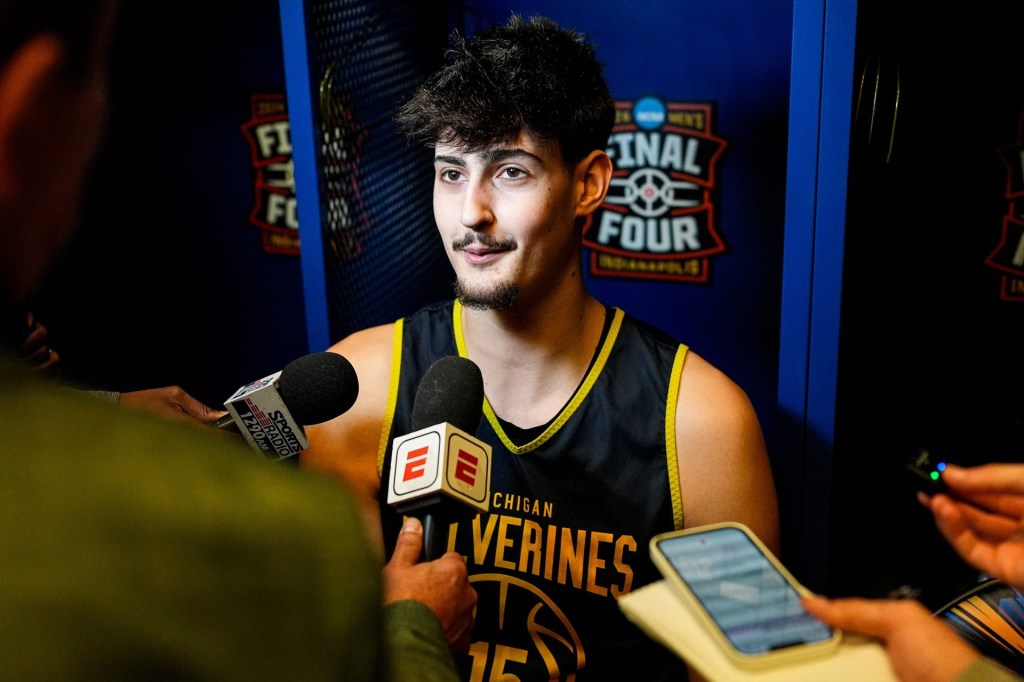
Illinois has arguably embraced the phenomenon the most: Four of the five starters for the Fighting Illini hail from the Balkan region in southeastern Europe (they’re known as the “Balkan Five”). Arizona’s starting five features two international players: Ivan Kharchenkov from Germany and Motiejus Krivas from Lithuania. Michigan starts Spanish-born Aday Mara; UConn has multiple international players on the bench.
The NCAA grants international players eligibility despite playing professionally overseas, given that many begin playing professionally at much younger ages than American players do. The rule has helped facilitate the influx, but that wasn’t enough to entice top prospects. To lure away fortified stars from the international pro leagues, especially in Europe, schools had to offer payments. Now that’s possible due to revenue-sharing and NIL.
“I think there’s always been tremendous intrigue in coming to the States and playing college basketball,” Illinois head coach Brad Underwood said Friday in response to a question from Front Office Sports. “I think that is heightened by what’s gone on in the portal and NIL—and I think it’s all been very, very positive.”
But in recruiting these foreign heavyweights, schools faced a problem: U.S. immigration laws, which pose major restrictions on what type of compensation, if any, players on student visas can earn.
To date, U.S. immigration services still have not offered any guidance on if or how college athletes can benefit from NIL and revenue-sharing payments without running afoul of student visa restrictions. If players violate their visa rules, they could be denied visas for future years and even be deported—a situation Green & Spiegel partner Ksenia Maiorova tells FOS is even more likely in the current environment with a presidential administration that is “enforcement-minded.”
Despite the lingering uncertainties, for many players, the risk is worth the reward. So immigration lawyers have found a few loopholes that schools across the country have deployed to ensure their international players could cash in and avoid the ire of immigration services.
“College basketball is the best spot,” Illinois freshman David Mirković, who hails from Montenegro, said in response to a question from FOS on Friday. “You come here to improve yourself as a basketball player. As a person, it’s probably the best place. I think it’s going to be more and more kids coming.”
A Prevalent Loophole
The NIL conundrum for international athletes has plagued college sports since 2021. During the 2024 men’s Final Four, for example, then-Purdue star Zach Edey, who is Canadian, lamented missing out on NIL opportunities.
When the name, image, and likeness era first began, some international players opted to sign onto licensing deals, giving them “passive income” that was still acceptable on student visas—think apparel or merchandise featuring their NILs. Players were also allowed to do regular endorsement deals outside of the U.S.; many schools competed in tournaments overseas to allow their international players the opportunity to complete multiple marketing activities while abroad.
But the revenue-sharing era presented a new challenge. With the House v. NCAA settlement, all Division I schools could offer direct payments to players who participated on teams across the athletic department. But at the time, several immigration lawyers told FOS these payments could be classified as players getting paid for unauthorized work activities—something student visas don’t allow.
Quickly, however, some attorneys began to pitch a loophole. Charlotte Immigration Law Firm partner Benjamin Snyder and others argued that revenue-sharing payments could be classified as “royalties,” which are acceptable under student visa rules.
Schools can write their revenue-sharing contracts as “royalties” for the use of players’ NILs while they played basketball (or any other sport). Unlike other rev-share contracts, the international athletes’ deals would not include any performance-based incentives or other provisions based on player activities to ensure they wouldn’t be considered work agreements.
“Unless and until the government tells us otherwise, this is a logically and legally coherent approach,” Snyder told FOS. He said that quickly became a “consensus” route across the industry for those in college sports, adding that the ACC and Big Ten conferences adopted the theory.
Serbian agent Miško Ražnatović, who represents four of the Fighting Illini’s “Balkan Five,” declined to specify whether his players were utilizing this strategy when asked by FOS.
Immigration authorities haven’t provided a ruling on this particular philosophy to date. But Snyder did add that when submitting their visa applications, players submit a letter that states they’ll be receiving financial benefits from the House v. NCAA settlement. He said he does not know of any consular offices that have communicated concerns with these payments so far.
Immigrations and Customs Enforcement (ICE), which oversees the Student and Exchange Visitor Program, did not immediately respond to a request for comment on the royalties concept.
Dueling Philosophies
Not everyone agrees the royalty interpretation is sound. Maiorova told FOS that revenue-sharing is being used as an exchange of funds for performing a service for the school—in this case, playing college basketball.
“It’s a talent attraction and talent retention tool,” she said. And that makes it not a royalty.” Maiorova added she doesn’t see the changes schools have made to rev-share contracts for international athletes as necessarily sufficient to protect players against the ire of immigration authorities. “Magic contractual language does not override the substance of the transaction,” she said.
Instead, Maiorova and her firm have advocated different routes, including having schools give college athletes “work authorization.” Students on F-class visas are allowed to participate in limited work activities on campus; Maiorova and her colleague Dan Berger have encouraged schools to grant work authorization to the players, and call the 20 hours they’re participating in their sport “work” that is compensated through revenue-sharing.
A few schools have begun to use this approach, a source familiar with the deals told FOS—but at this point, the strategy isn’t widespread.
Maiorova is also pursuing the ability for college athletes to use a type of professional visa, rather than a student visa, through a lawsuit brought by Arizona State women’s basketball player Last-Tear Poa. But for now, that option isn’t available.
“I think in the end, the immigration service is putting us in a Catch-22,” Berger told FOS. “If we’re not allowed to call them professionals … then you have to say they’re students, and give us guidance on how to work through student work permission. Right now, we don’t have guidance on the student stuff, but [immigration services are] pushing back on calling them employees.”
Meanwhile, the international players at the men’s Final Four will complete a lucrative—and successful—season. And there will certainly be more of them.
“Especially from our parts of countries, with us being in Final Four, I think more of younger kids will definitely be interested in the future coming here,” Illinois junior Tomislav Ivišić, a Croatian player who plays alongside his twin brother Zvonimir, said in response to a question from FOS. “More games are being streamed over there, definitely. And they get the chance to see the atmosphere, the arenas, all the big events that are hosted. I think it’s going to be way more than right now.”