As of Monday the U.S. media business formally has a new large-scale entity, one generally misunderstood but potentially poised to have significant impacts across sports and beyond.
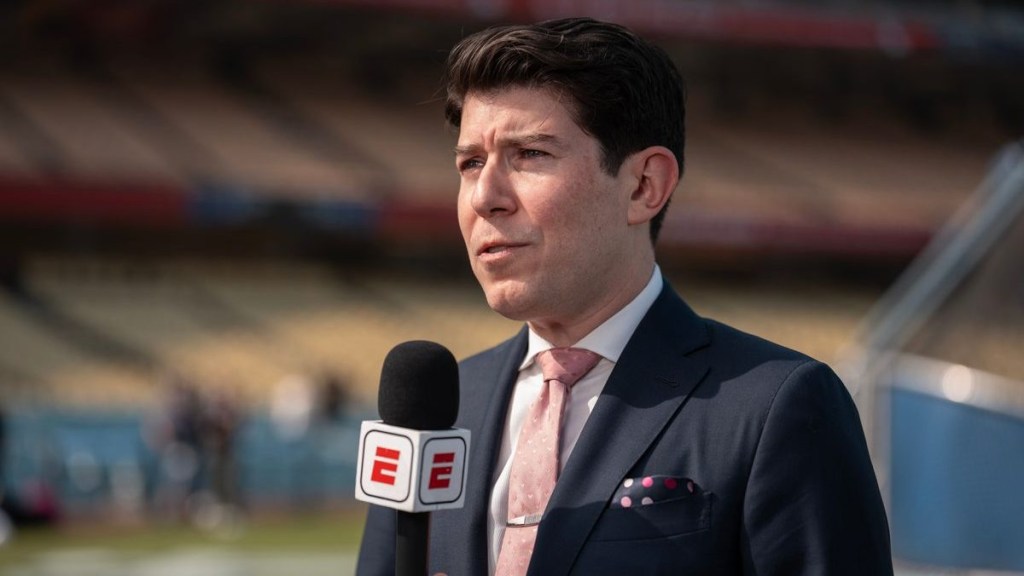
Versant completed its long-planned spin-off from NBC Sports parent Comcast on late Friday, began trading on Nasdaq on Monday, and now exists as a separate, independent, and publicly traded company. The business includes a series of cable and digital networks including CNBC, MS Now, USA Network, Golf Channel, and E!, among others.
“Today marks a defining moment,” said Versant CEO Mark Lazarus, previously NBCUniversal Media Group chairman. “As a stand-alone company, we enter the market with the scale, strategy, and leadership to grow and evolve our business model.”
A look at what Versant is and what viewers can expect:
How Did We Get Here?
Comcast unveiled its plan in November 2024, looking to move many of its cable TV businesses that have been battered by accelerating cord-cutting away from healthier and faster-growing assets in the Comcast portfolio, such as its broadcast television holdings, theme parks business, and the Peacock streaming service.
That heightened focus is allowing Comcast to more specifically home in on its remaining assets and showcase them—such as next month, when NBC and Peacock will have the 2026 Winter Olympics, Super Bowl LX, and the NBA All-Star Game.
What Sports Content Does Versant Have?
Even before the spin-off completed, Versant revived the USA Sports moniker, a media brand dating to the 1970s.
Under that umbrella, USA Sports will have more than 10,000 hours of live sports events per year, including content from NASCAR, the PGA Tour, Premier League, WWE, and the WNBA, among others. In November, the network also signed a rights deal with a rebuilt Pac-12 Conference. That content will air on either USA Network, Golf Channel, or CNBC.
What Is the Working Relationship Between Versant and Comcast?
Even with the split, there will be significant overlap and collaboration between the entities, likely leading to some marketplace confusion to come. The Comcast-owned NBCUniversal will sell advertising for Versant for the next two annual upfront cycles, while there is also a joint rights agreement for NBCUniversal and Versant with the USGA, and some Olympics-related content controlled by NBC Sports will air on USA Network.
Comcast CEO Brian Roberts, meanwhile, retains about one-third control of Versant through personal holdings of super-voting shares, similar to the structure of Comcast itself.
How Have Investors Responded?
So far, warily. After beginning trading Monday, VSNT shares quickly fell more than 14%, and finished the day down 13% to $40.57 per share. Though the split gives a clearer operational and investment focus for both Comcast and Versant, the same large-scale issues around cable television exist. Last fall, Versant’s debt was rated below investment grade, and Versant itself has projected full-year earnings and revenue declines for 2025.
“Like its peers, Versant faces secular pressures from cord-cutting and the shift toward [direct-to-consumer] platforms,” Fitch Ratings said.
Well aware of that, Lazarus and Versant have said they intend to expand its revenue model, acquire additional businesses, and ultimately gain more than half of its revenue outside of cable TV.
Comcast, meanwhile, rose 1.7% in Monday trading, but it remains down by about a quarter over the last year.