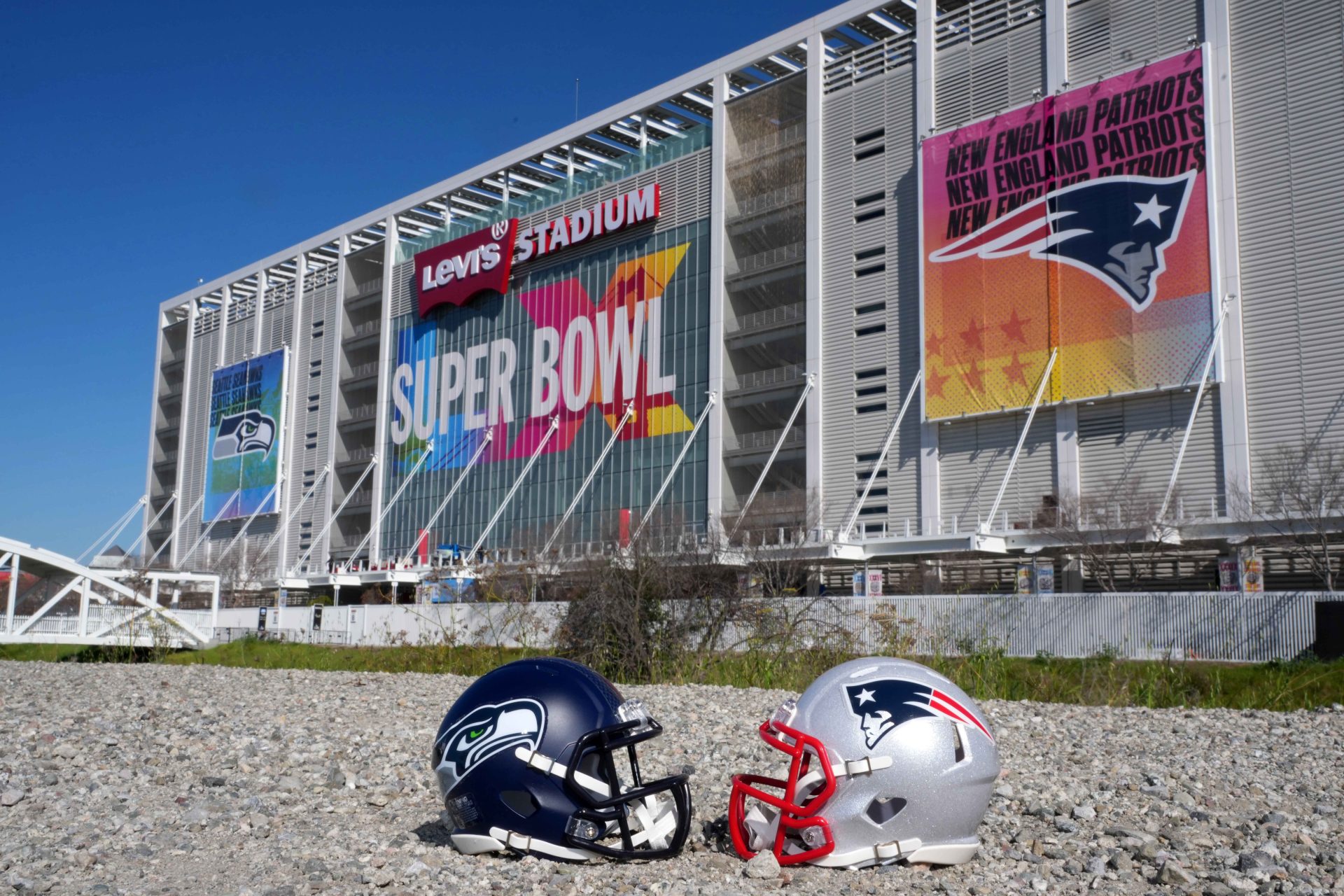
SAN FRANCISCO — Waiting could have some big benefits for Super Bowl LX ticket buyers, as the market continues to show significant declines as Sunday’s game between the Seahawks and Patriots approaches.
Low-end, get-in pricing for the matchup at Levi’s Stadium is now hovering around $3,800 per ticket on multiple marketplaces. That is a 17% drop from the beginning of this week, and is down 42% from the comparable, entry-level figure of $6,500 right after Seattle and New England clinched their conference championships.
Through the past two weeks, the Super Bowl ticket market has shown a slow, but steady, retreat as more supply has entered the market, and a further ebb beyond now and Sunday afternoon’s kickoff is quite possible.
That more conventional dynamic is a significant change from last year in New Orleans, when a historic lodging crunch corroded the Super Bowl ticket market. Even two-star hotels there went for thousands of dollars per night in many cases, cutting heavily into what fans were then willing to pay for game tickets.
At the same point last year before Super Bowl LIX in Louisiana, the entry-level market for tickets fell to about $2,600 per seat.
A similar situation can be seen with On Location, the TKO Group Holdings–owned company that is the official hospitality provider of the NFL and controls a large swath of the Super Bowl ticket resale market. Its packages that include game tickets, along with other fan experience elements, now start at $4,950 per person, down from $6,500 last Sunday and a marked drop from $7,500 per person after the conference championship games.
On Location also sells many high-end packages that are much more expensive, can run well into six figures in cost, and include amenities such as meet-and-greets with legends and exclusive concerts.
Not the End of the Story
On Location president Paul Caine predicted plenty more activity in the ticket market over the next two days.
“The [final] story on the ticket market won’t be written until Monday,” Caine told Front Office Sports. “When you have a city like this with great access to airports, lots of hotel rooms, and a lot of people in the city that would like to go to the game, the dynamics of the market shift quite a bit. Just on the plane [ride] in, I was talking to a lot of people who didn’t have tickets yet, but they want to. They’re waiting or just seeing what their options are.”
“Every [Super Bowl] city has a little different character when it comes to the last-minute dynamic,” he said.
Bay Area Market
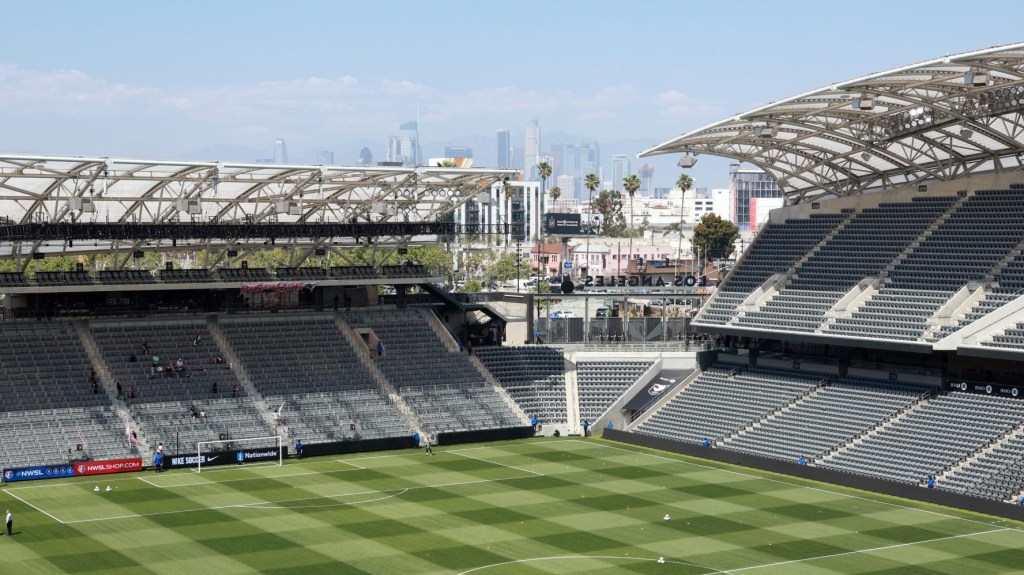
Caine also addressed the ongoing sprawl debate surrounding this year’s Super Bowl, where the culture and high appeal of San Francisco is paired with Levi’s Stadium, site of the game itself, located about 40 miles away in Santa Clara, Calif.
“With a Super Bowl, there’s the game itself, which is a destination to itself. There’s also the industry event. And then there’s the consumer event. Having the consumer event in San Francisco has a lot to offer,” Caine said. “There’s the Super Bowl Experience here. Fans can feel the NFL here. It’s very exciting. As for the industry side, they generally like it when things are concentrated, because it’s easier to get around and do things.
“So having it sprawled out does make it a little more challenging to go do all the things you want to do. But I do absolutely love having a really great city for an event like the Super Bowl, and this is a really great city,” he said.