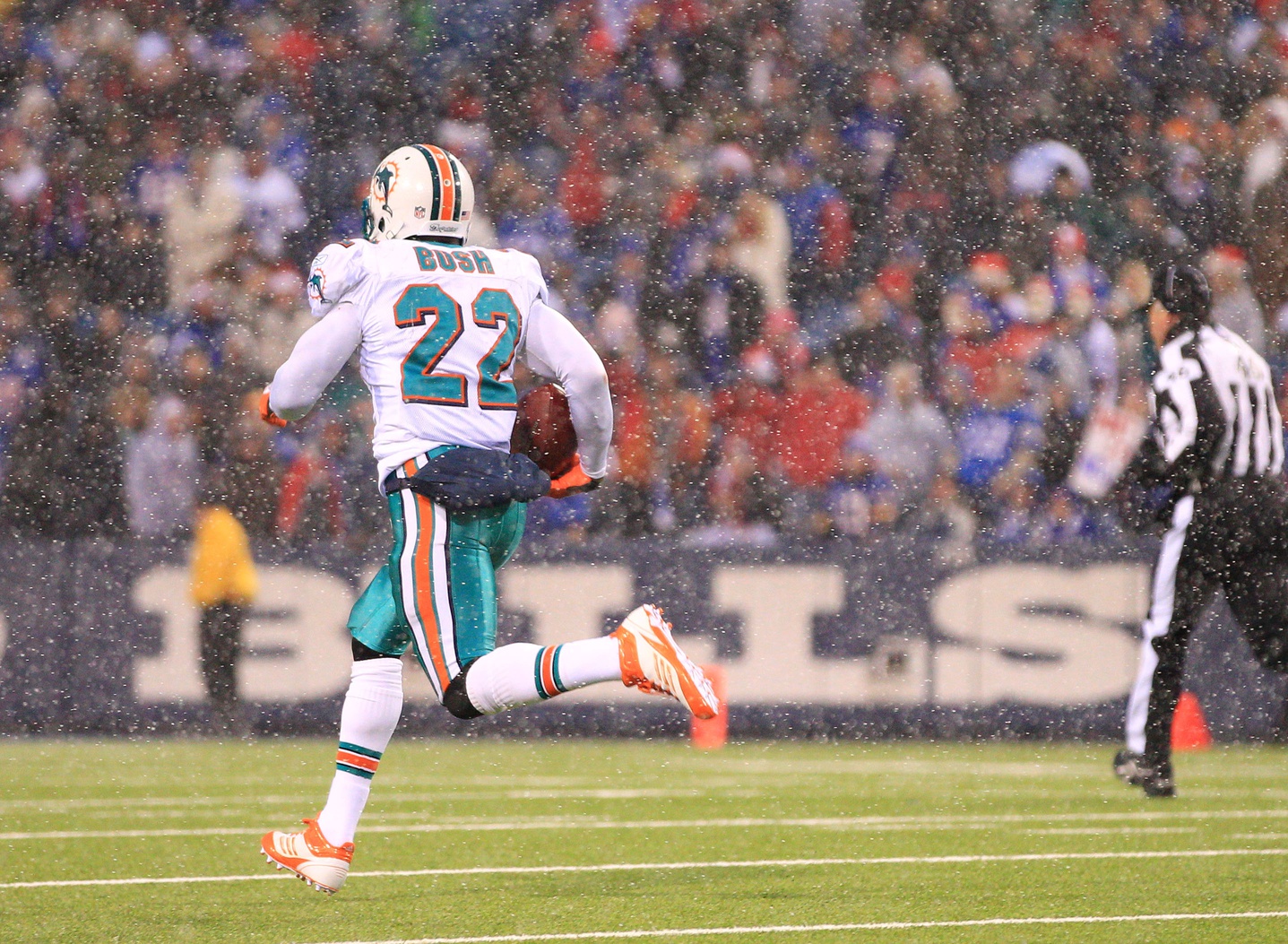
Former star USC running back Reggie Bush believes the modern NIL era in college sports wouldn’t exist without the controversy that led to the NCAA revoking his Heisman Trophy for more than a decade.
“It’s funny where NIL is now, you can’t get to that place without my story, without my footprint,” Bush tells Front Office Sports. “My story started these conversations.”
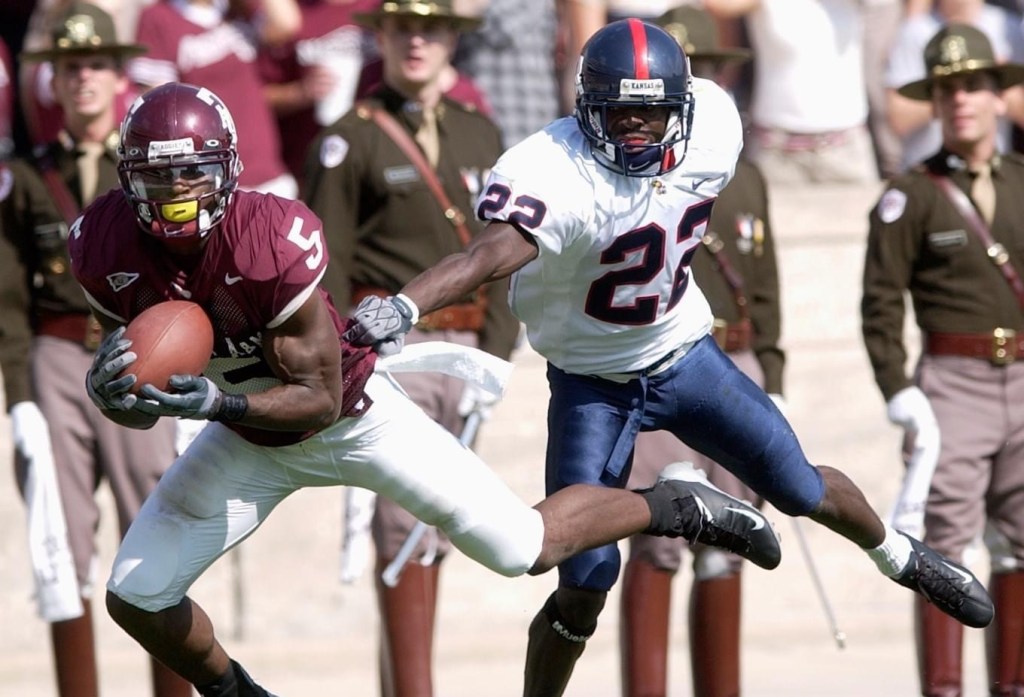
Bush—whose college career came long before the NCAA changed its rules in 2021 to allow athletes to monetize their name, image, and likeness—won the Heisman in 2005 during a season in which he ran for more than 2,000 yards and scored 18 touchdowns. However, after a 2010 NCAA investigation found he accepted impermissible benefits from a “marketing agency,” the organization vacated his records and forced him to return his trophy.
For 14 years, Bush was the Heisman Trophy winner whose award had been officially rescinded. That changed in 2024, when the Heisman Trophy Trust reversed course and handed the trophy back to Bush—although the NCAA has yet to do so.
The running back tells Front Office Sports he’s always felt like a Heisman winner, “even when the NCAA stole it from me and forced me to give it back.”
“I did it the right way, and I’m proud of that,” Bush says. “The Heisman, as much as I won it, was also a representation of the hard work and dedication of my teammates and coaches.”
Bush, 41, went on to play 11 NFL seasons for teams including the Saints and Dolphins from 2006 to 2016 before retiring in 2017. He is still fighting two lawsuits against the NCAA. One, filed in 2023 in Indiana state court, alleges defamation. The other, filed in California state court the following year, names the NCAA, his alma mater, and the Pac-12 Conference as defendants, and claims they exploited his NIL when he played for the Trojans.
Today, NIL is even more at the forefront of college football, following last summer’s landmark House v. NCAA settlement—which provided $2.8 billion in damages and allows all D-I schools to offer up to $20.5 million to all current players in their athletic departments (that figure will increase incrementally over 10 years, during the lifetime of the injunctive relief). Currently, top college athletes are earning millions from NIL deals, both from school-backed programs and outside endorsements.
Meanwhile, the NCAA has been fighting legal battles on many fronts, with other lawsuits over issues including its eligibility rules and the transfer portal. It has also faced lawsuits over health issues; in 2022, a jury found the NCAA not liable for the death of former USC linebacker Matthew Gee, who died in 2018 and was posthumously diagnosed with CTE. Last October a jury awarded a former South Carolina State defensive end and his wife $18 million after finding the NCAA was negligent in failing to warn him about long-term impacts of concussions.
Bush—who just launched a new private-equity firm with fellow former NFL pro Terrence C. Murphy Sr.—tells FOS his situation “started to sound the alarm on the injustices of college football,” saying the NCAA has spent decades making money off players who sacrifice their bodies and minds.
“The injury game is one of the most unfortunate sides of sports,” Bush says. “For me, I’m happy to be here in this moment.”
The NCAA did not immediately respond to a request for comment.