The University of Utah’s decision to get into business with a private-equity firm has lawmakers up in arms, but industry insiders see it as a necessary test case for how schools might sustain major college sports in the modern era.
The agreement, approved unanimously by the school’s board of trustees Tuesday, will see the creation of a for-profit entity called Utah Brands & Entertainment LLC that will be majority-owned by the university and minority-owned by Otro Capital. It’s aimed at maximizing all revenue streams related to the school’s athletic department, from ticketing and concessions to corporate sponsorships and other licensing deals.
The idea of private capital coming into college sports has been viewed as inevitable in the wake of the House v. NCAA settlement and the rise of NIL (name, image, and likeness) free agency.
There’s no question the deal is a major step forward. For the last few years, private-capital providers, schools, and conferences had been standing across the room from one another like students at a high school dance—neither side quite knowing how to make the first move. Previous deals, like the Big Ten’s private investment proposal, failed to come to fruition. The agreement between Utah and Otro could be a blueprint for other schools and is expected to lead to more deals, although it’s not clear the dam is about to break.
“There have been a lot of attempts, going on three or four years now, to make direct investments into sporting programs at schools,” Ben Fund, a partner at Carlyle Group, tells Front Office Sports. “Everyone in the market wants to talk about college sports.”
“I do think this is, hopefully, the start of a lot more opportunities,” he adds.
Chuck Baker, co-chair of Sidley Austin’s entertainment, sports, and media practice, tells FOS that whether this will open the floodgates for other deals is the “main question on the minds of both our PE and University clients.”
“Given how deliberate the schools and conferences have been to date, my instinct is that we’ll see more deals announced over the next 12-24 months, but it will be more of a trickle than a flood,” Baker says.
The immediate response to the deal from local and national lawmakers is part of the reason other schools are likely to take a cautious approach.
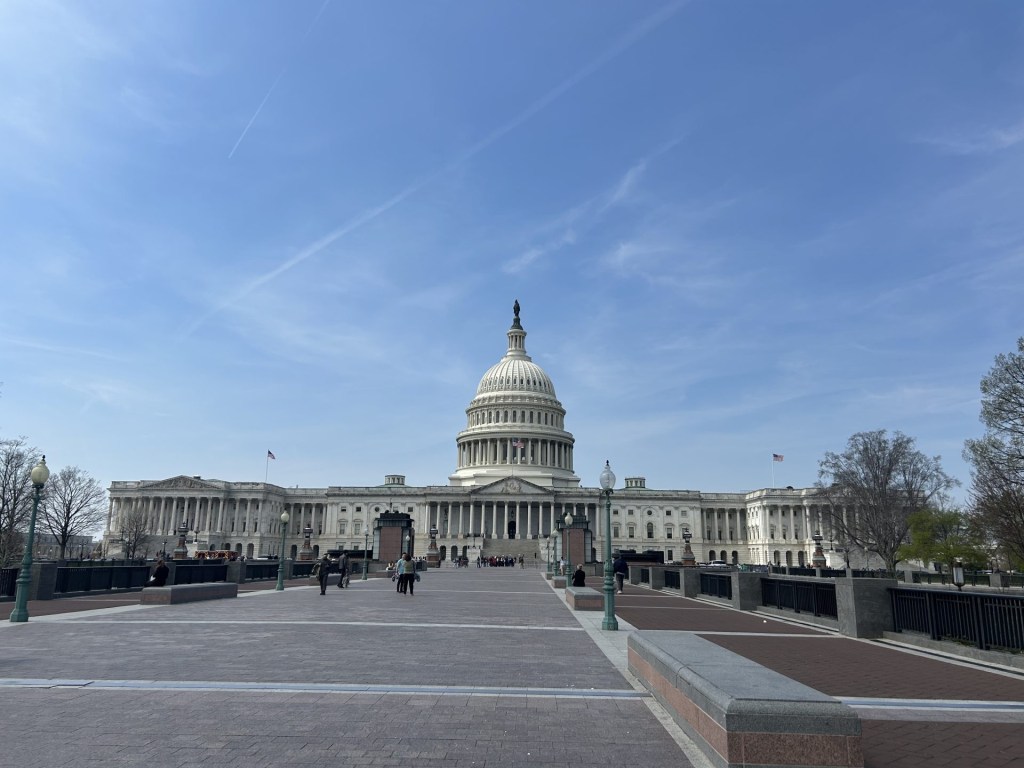
A few hours after the news broke, Rep. Michael Baumgartner (R., Wash.), posted on social media that “Congress will be taking a hard look at the tax-exempt status of universities that enter into private-equity deals. If you want to act like a non-public entity, you better be ready to be treated like one.” Earlier this year, Baumgartner introduced a bill aimed at blocking private-equity deals with athletic departments or conferences.
His skepticism was shared by both local and national lawmakers. Sens. Daniel McCay (R., Utah) and Nate Blouin (R., Utah) took to social media to express their doubts. As did Rep. Brendan Boyle (D., Pa.) and Rep. Lori Trahan (D., Mass.), who was the most direct, posting: “Hear me out. Private equity won’t fix college sports.”
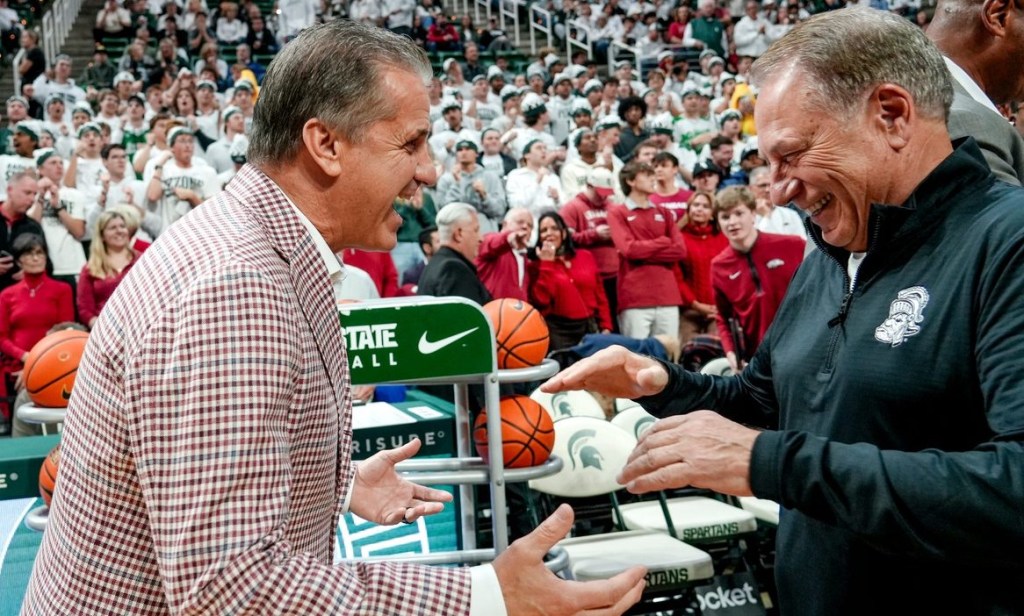
David Gringer, a partner at WilmerHale who focuses on antitrust issues in higher education and sports, says reactions like this are misguided. He tells FOS there are clear benefits to the LLC model, which has been used by other schools (such as Kentucky, Michigan State, and Clemson), albeit without private-equity involvement. For instance, it provides a “dedicated funding source” and allows schools to quickly move funds as needed.
“I don’t support treating private equity as a boogeyman,” Gringer says.
Frank Azzopardi, a partner at law firm Davis Polk who leads the firm’s intellectual property and commercial transactions practice, said during this week’s SBJ Intercollegiate Athletics Forum in Las Vegas that he was surprised to see Utah set up a for-profit entity, because of the implications that could carry with regard to its tax status.
“That brings into question potential issues from the 501(c)(3) perspective, because now you’re very much a not-for-profit entity entering into an express partnership into a for-profit investor,” he said.
Gringer thinks threats to the school’s tax-exempt status are unnecessarily inflammatory.
“The notion that you’d strip a school of its tax-exempt status because a standalone entity it formed has PE investment is absurd,” he tells FOS.
It’s unclear exactly who was looped in on the announcement. For example, Sen. John Curtis (R., Utah) was not aware of the deal before the vote, a staffer familiar with the senator’s involvement tells FOS. Curtis’s office declined to comment. The state’s governor, attorney general, and other lawmakers did not immediately respond to requests for comment.
Utah was clearly aware of the potential for public backlash. On the same day as the board vote, president Taylor Randall and AD Mark Harlan posted an 800-word-plus letter explaining why they entered into the agreement, writing “the cost of supporting a nationally competitive athletics program has risen dramatically and far outpaces revenue growth.”
Beyond questions of governance and tax status, insiders say the bigger hurdle for private equity is perception: convincing the public and lawmakers that their involvement can be a force for good.
The perception of private-equity firms as the monster in the closet is not unfounded. The industry is best known for leveraged buyouts that can saddle companies with debt and are often criticized for putting profit before people. Some concerns are legitimate—like the trend of private-equity firms buying nursing homes, which former President Joe Biden highlighted as leading to lower quality care. But most major firms no longer even describe themselves as private equity. Instead, they present themselves as alternative assets managers offering a range of investment strategies.
“The industry has a marketing problem,” one private-equity industry executive tells FOS.