White Sox Co-Owner Mat Ishbia Endorses MLB Salary Cap—and Floor
Want more from Front Office Sports
in your search results?
In 2022, Notre Dame football alum Brady Quinn decided to launch an NIL (name, image, and likeness) collective for his school.
The collective, called the Friends of the University of Notre Dame (FUND), was a nonprofit. The Fighting Irish weren’t the only ones setting up their collectives this way, but the model appeared to be a perfect fit for a Catholic institution: Players would get paid in exchange for charity work.
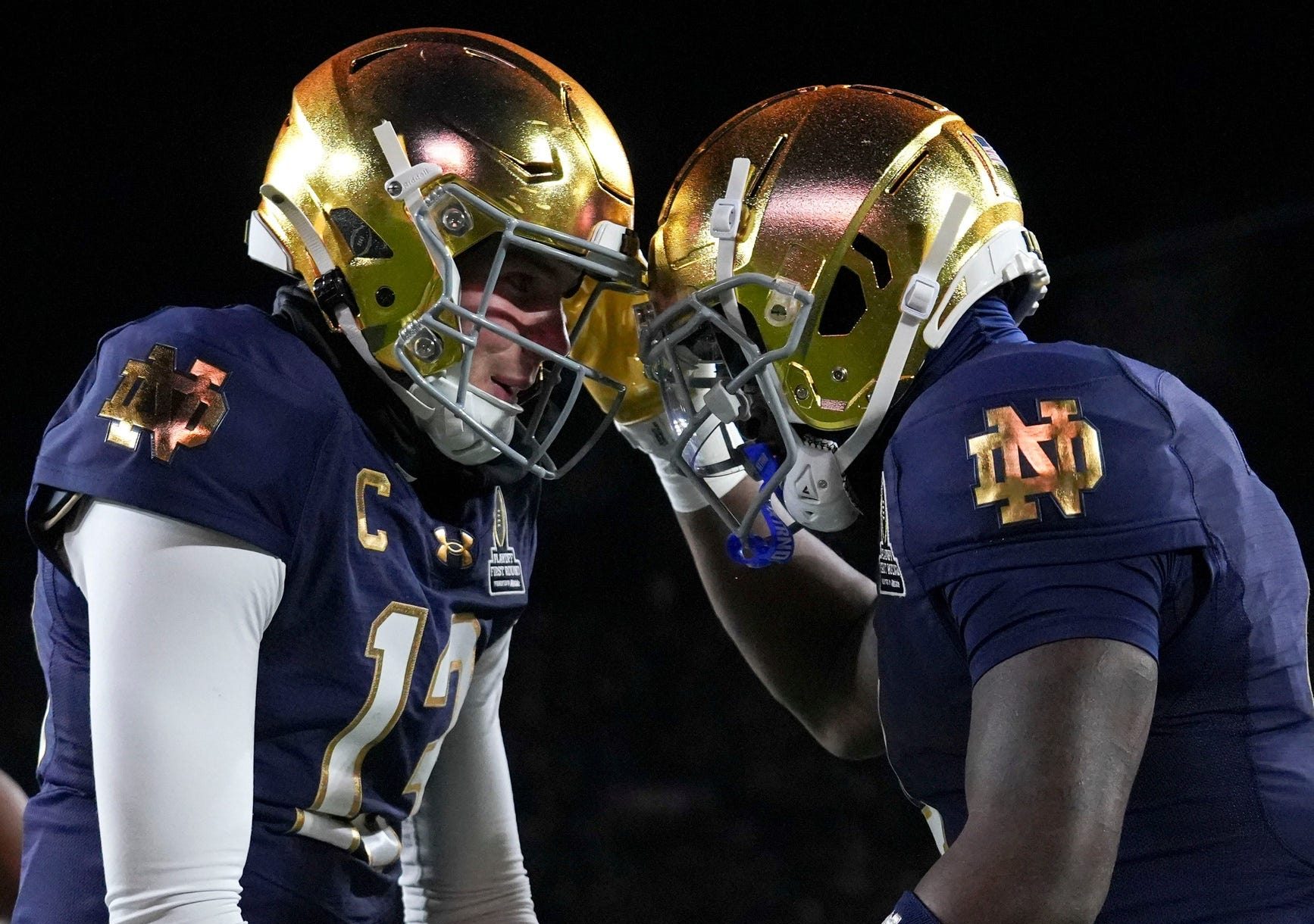
The collective has doled out millions to players—but still nowhere near as much as its opponents, including Ohio State. Nonetheless, it has helped the Fighting Irish put together a championship-caliber roster that will play for a national title Monday night.
Next year, they’ll have to blow it all up, as changing legal realities force them to go back to the drawing board.
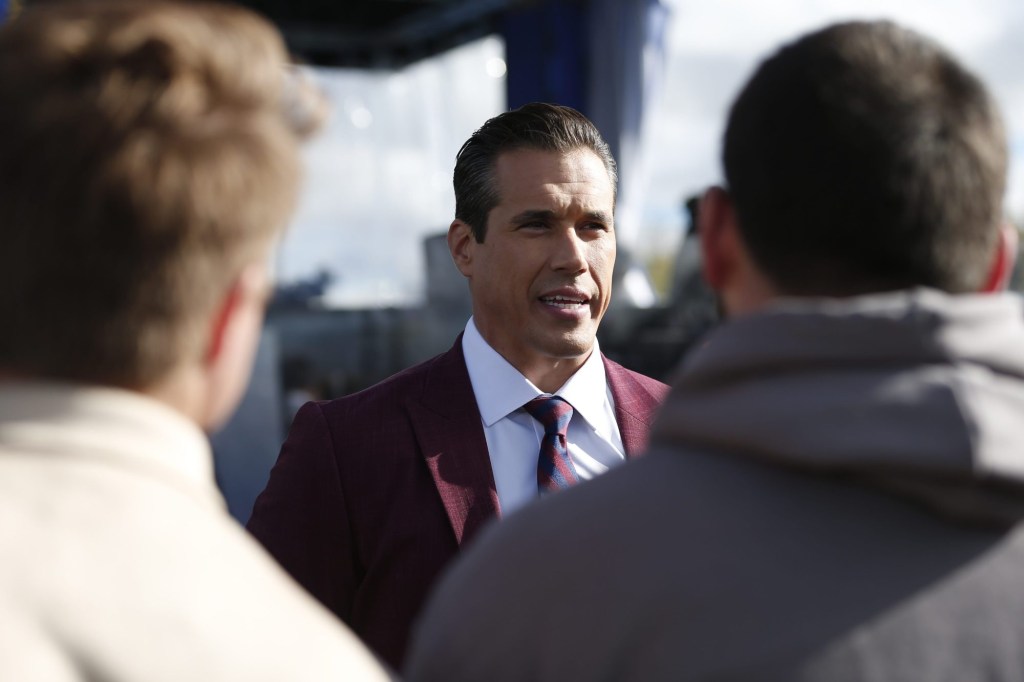
FUND has already disbanded, and it has been replaced by a for-profit collective called Rally with a completely different NIL strategy. Rally executive director Kayla Rogers describes it as being “for the new iteration of college athletics.”
They’re not alone—every school is tasked with the guesswork required by college football’s next era with revenue-sharing, new NIL restrictions, and stricter IRS regulations. But as a Catholic, private, independent school, Notre Dame will have extra factors to navigate if it wants to make it back to a national championship.
The benefits of FUND’s nonprofit status were clear from the start: As a 501(c)(3) organization, the collective could be tax exempt and offer donors tax-writeoffs.
For two years, FUND operated something like this: Donors sent payments to the collective, and athletes would receive NIL earnings in exchange for doing charity work. In its first year, the organization worked with more than 10 charities and 150 athletes, according to a FUND press release.
The collective earned $7.7 million in revenue and paid $1.7 million to players, according to publicly available tax filings reviewed by Front Office Sports. The following year, the funds shot up: Revenues topped $20 million, and FUND distributed $5.1 million. (The collective also donated money directly to charities, including the local Boys and Girls Club, YMCA, and Ronald McDonald House.)
Notre Dame players can explore NIL opportunities on their own, but collective dollars comprise 80% of total NIL earnings, according to estimates from Opendorse. So FUND’s role was essential.
The model paled in comparison to power conference schools like Ohio State (which boasts a $20 million roster). But it wasn’t the main selling point in the school’s recruiting strategy that also includes quality academics and one of the most iconic national brands. Head coach Marcus Freeman, for example, has said on multiple occasions that he emphasized relationship-building in the recruiting and roster retention process.
But as it turns out, that winning formula was short-lived.
In 2023, the IRS released a memo warning collectives that their nonprofit status could be taken away. Since then, many have shut down and several new ones have been flat-out denied 501(c)(3) status.
Meanwhile, the House v. NCAA settlement proposal, which would allow schools to share revenue with all the players in the athletic department, will force collectives to prove that their deals aren’t “pay-for-play.” If approved in April, the settlement could go into effect as early as this July.
FUND could have continued on as a nonprofit—but the organization ran the risk of being audited. And it was unclear whether a nonprofit model would be workable in a post-House settlement era, anyway.
In September, FUND’s leaders announced they would shut down. The organization stopped accepting donations at the end of 2024, and it will completely cease operations in 2025.
“We are incredibly proud of what FUND has accomplished over the years,” Quinn said in a statement at the time. “Our supporters have made a significant impact on the lives of countless student-athletes at Notre Dame and given opportunities to charities that make such a profound impact on the South Bend [Ind.] community. We feel good that we were able to fill a critical need to address NIL challenges and opportunities at Notre Dame.”
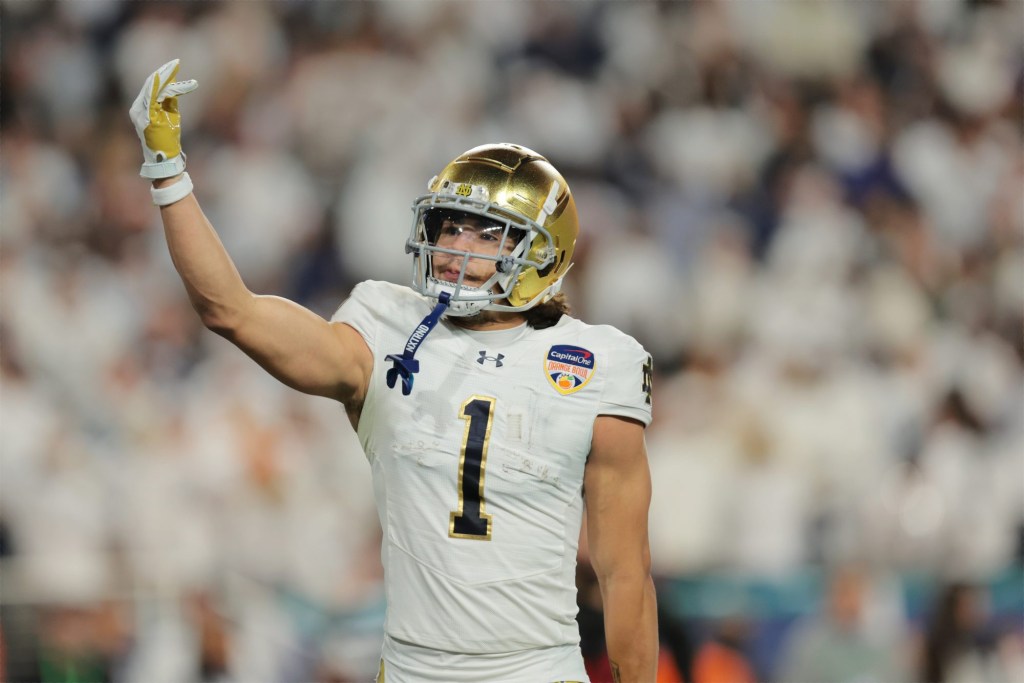
While some schools have no plans to replace their collectives, Notre Dame is pivoting.
The new collective, called Rally, is a for-profit entity that Rogers describes as an “agency” for players. One example: deals with local car dealerships, which have served as some of the biggest NIL supporters of Notre Dame athletes. The deals will supplement the money players receive from the revenue-sharing payments in the post-House era.
The collective will work with a liaison on the football team to help connect with players’ agents and facilitate deals but won’t be directly involved in the recruiting process, Rogers says. (An athletic department representative declined to comment on the collective landscape.)
“Obviously the revenue-sharing is going to start happening most likely, so—how can the collective still help support student-athletes? That’s really with the true NIL opportunities,” Rogers, a former Altius Sports Partners advisor who was placed in the Notre Dame athletic department, tells FOS.
Ahead of the title game, the collective has begun to get a flurry of inbound requests from businesses and donors interested in connecting with players, Rogers says. But she hopes to keep the momentum going after the confetti falls Monday night.
As for how much money she hopes to raise, Rogers says the $5 million that FUND offered players is just a “starting point.”
Download the FOS App
The business of sports, in your pocket.



Scan the QR code to get the app now.