Even before the NFL concludes its wild-card postseason round, there’s growing angst over the scheduling for this weekend’s divisional playoff games.
As the league and ESPN prepare for Monday night’s Texans-Steelers game to conclude the wild-card round, the NFL released the schedule for the upcoming divisional games. The four contests will include:
Sat., Jan. 17
• Bills (No. 6 in the AFC) at Broncos (No. 1 in the AFC)
• 49ers (No. 6 in the NFC) at Seahawks (No. 1 in the NFC)
Sun., Jan. 18
• Rams (No. 5 in the NFC) at Bears (No. 2 in the NFC)
• Texans or Steelers (No. 5 or 4 in the AFC) at Patriots (No. 2 in the AFC)
Specific broadcast networks and slots for the games have not yet been finalized, but the Saturday games will start at 4:30 p.m. ET and 8 p.m. ET. The Sunday games will be at 3 p.m. ET and 6:30 p.m. ET. The NFL’s four linear rights holders—CBS, ESPN/ABC, Fox, and NBC—will each carry one divisional game.
The divisional playoff game schedule, however, will contain varying levels of rest for the participating teams—an inevitable outgrowth of the league’s current scheduling format.
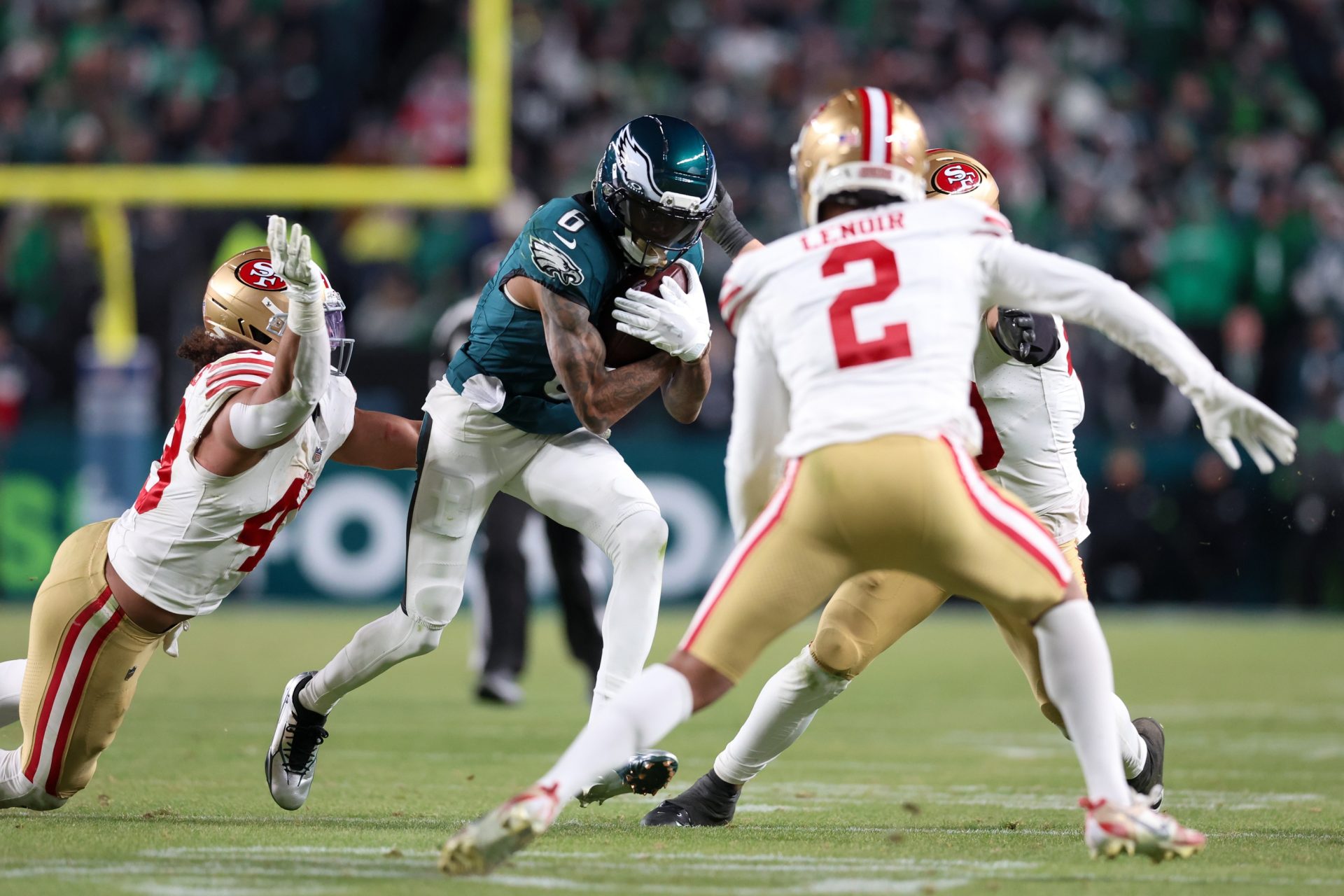
The 49ers, for example, will travel to Seattle and face the Seahawks on five days of rest after playing in the late-afternoon window Sunday at Philadelphia. The Rams, conversely, will have seven days of rest before their game against the Bears after defeating the Panthers last Saturday.
That choice went against the wishes of 49ers coach Kyle Shanahan, who said after beating the Eagles, “If the NFL is cool and understanding they’ll make [the Seahawks game] Sunday.”
Monday Night Math
Further complicating the situation is the presence of Monday-night wild-card games, something the NFL started in the 2021 season as part of a new rights deal with the Disney-controlled ABC. When the Chargers, the No. 7 seed in the AFC, lost to the Patriots on Sunday night, that confirmed that tonight’s winner will head to Foxborough—in turn necessitating that divisional game not be played this Saturday.
Similar variances in team rest have cropped up in the five years that the NFL has staged the wild-card round over a three-day weekend.
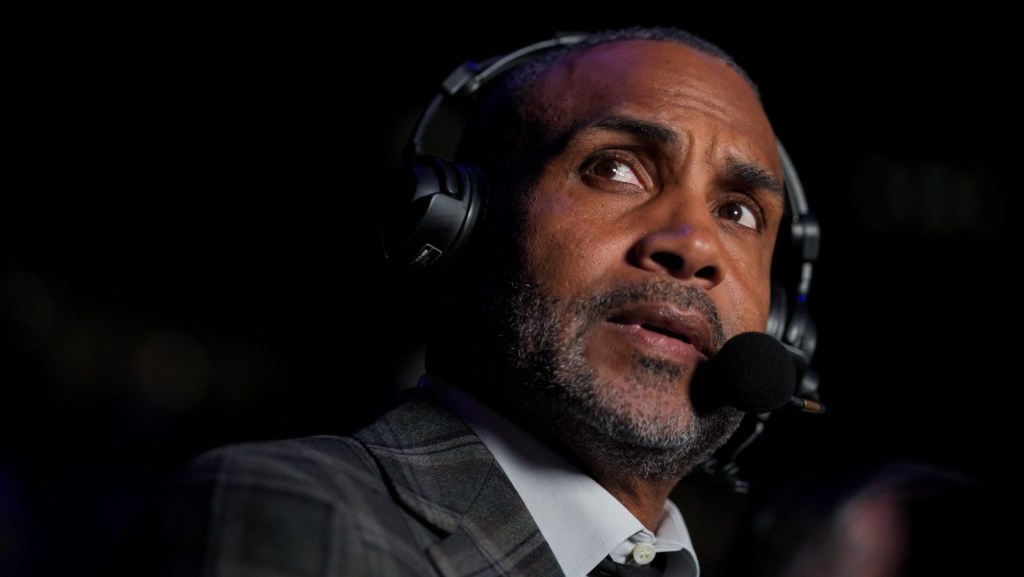
“NFL playoff scheduling is not fair,” tweeted Tony Dungy, former NFL head coach and now an analyst on NBC’s Football Night in America. “It might produce good ratings, but it’s not fair. … The wild-card round should be 3 games on Saturday and 3 games on Sunday.”
That almost certainly will not happen, either in the current rights deal or a future one, as the league prepares to reopen its agreements. The initial five-year term between ESPN and the NFL for those Monday-night wild-card games expires after tonight, and Disney is interested in extending it. There will be competition, though, for those rights.
More broadly, the NFL’s inclusion of the Monday-night wild-card games has generally been a solid success, with those games drawing as much as 31 million on average for television viewership. Last year’s Monday-night wild-card game between the Vikings and Rams, however, saw a 13% drop in viewership to an average of 25.4 million as the matchup was relocated due to California wildfires, and then saw Los Angeles put up a sizable lead.
League scheduling decisions include a wide variety of factors, including market sizes of the competing teams, fairness to broadcasters both within a single year and across multiple seasons, on-field histories, weather, and ticket sales, among others. The choice to place the upcoming Rams-Bears game on Sunday was driven materially by a desire to have the Nos. 2 and 3 U.S. media markets involved on that day, as viewership typically builds within each postseason weekend.
Slotting is already set for the conference championship games on Jan. 25. CBS will carry the AFC championship game at 3 p.m. ET, while Fox will follow with the NFC championship game at 6:30 p.m. ET. That weekend has operated on an annual rotation basis where CBS and Fox take turns having the coveted late game on the day. That late game is typically the most-watched event on U.S. television each year with the exception of the Super Bowl.