The NCAA reiterated this week that it has no interest in settling the potentially landmark Johnson v. NCAA case over athlete employee status.
On Tuesday, the parties filed a joint motion regarding whether they would find a settlement conference fruitful. The plaintiffs—a group of Division I athletes led by former Villanova football player Ralph “Trey” Johnson—said they would be open to a settlement conference “on a class basis.” The defendants, including the NCAA and several Division I schools, said they had no interest in settling.
The case seeks to answer the biggest existential question in college sports: whether college athletes are employees. The NCAA and defendant schools have tried multiple times to get the case thrown out, including through an interlocutory appeal in 2023 that was ultimately unsuccessful. Compared to the landmark House v. NCAA settlement and the flood of NCAA eligibility lawsuits, the suit has largely flown under the radar.
If players win, the NCAA wouldn’t just be on the hook for billions in damages—it would have to concede one of its final remaining pillars of the NCAA’s amateurism model (a concept NCAA lobbyists still cite in lobbying disclosures, despite the athlete compensation concessions the NCAA has made).
“None of the defendants believe a settlement conference would be helpful or productive at this time,” lawyers wrote in a short joint filing to Judge John Padova.
The Johnson case argues that all Division I college athletes, regardless of sport, should be classified as employees under the broad Fair Labor Standards Act. Athletes can continue to be amateurs as they would be student employees akin to those completing work-study jobs. It argues they should be paid at least minimum wage for their hours worked. The Johnson case would not result in athletes being able to unionize or collectively bargain—at least at first.
Plaintiff attorney Paul McDonald has reasoned that athletes should be employees of their schools, just like the student workers who sell popcorn in the stands at their games.
“The Johnson case merely seeks the same, limited student employee status as classmates selling popcorn at NCAA games and performing menial tasks in campus offices, dining halls, libraries, and bookstores in Work Study-style programs (including such classmates on academic scholarships),” McDonald wrote in a letter to a wide swath of college sports administrators, including the power conference commissioners, in January. “Student employment is not professional; in fact, student employment is exempt from FICA taxes.”
Since the Johnson case was filed in 2019, the NCAA has conceded that athletes should be able to earn money through NIL (name, image, and likeness) deals, and receive revenue-sharing dollars. But it still believes athletes should not be classified as employees of any kind, arguing that allowing athletes to be employees would destroy college sports.
If schools had to treat players as employees, they would no longer have the funds to pay for women’s and Olympic sports, the NCAA (as well as many conference and school officials) have said. They also argue that the vast majority of college athletes do not want to be employees. (Some college athlete advocates agree with the NCAA for a different reason: They believe some athletes are better off without the employee tag, given that many are now well-compensated through NIL, revenue-sharing, and the unrestricted transfer portal.)
“Student-athlete leadership from all three divisions agree that college athletes should not be forced into an employment model, which they expect will harm their experiences and needlessly cost countless student-athletes opportunities,” the NCAA said in a statement to Front Office Sports on Wednesday.
However, some are in favor of the idea. Both current and former athletes, like the 2023-24 Dartmouth men’s basketball team, have attempted to unionize, which would automatically make them employees. Multiple college coaches have also floated the idea of collective bargaining, which is currently only possible through employment. Tennessee athletic director Danny White recently told ESPN: “I don’t understand why everyone’s so afraid of employment status… sWe have kids all over our campus that have jobs. … We have kids in our athletic department that are also students here that work in our equipment room, and they have employee status. How that became a dirty word, I don’t get it.”
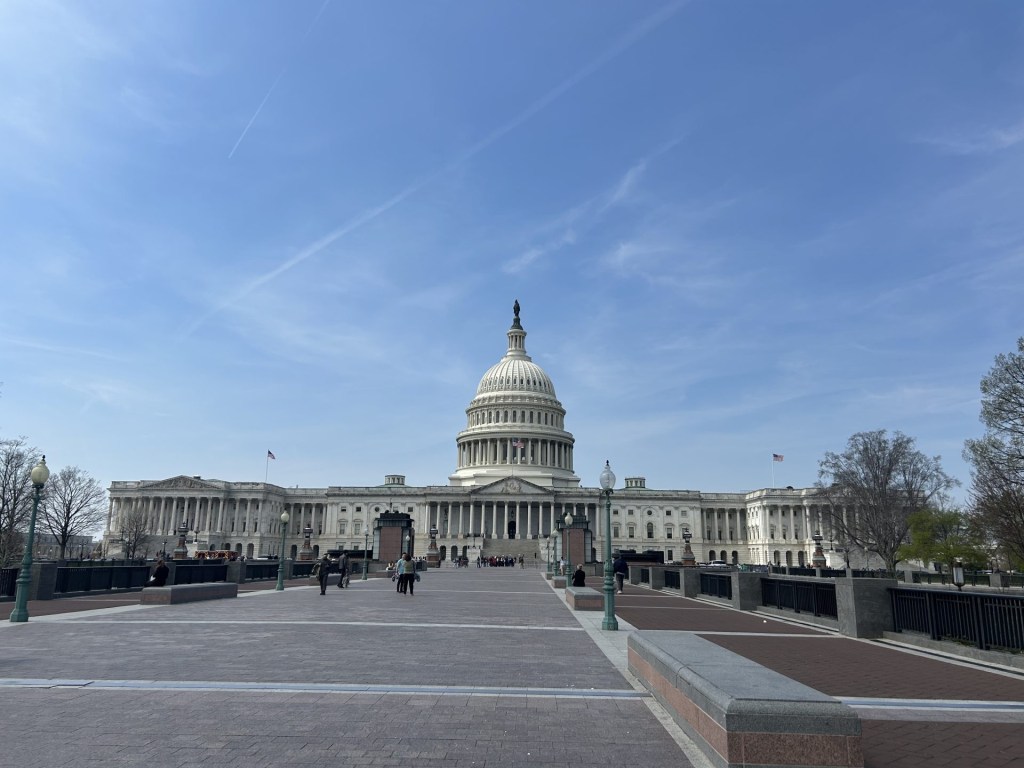
While the NCAA fights Johnson in court, it has also spent millions of dollars—in conjunction with the power conferences—lobbying in Congress for a law that, among other things, prevents college athletes from being deemed employees under the Fair Labor Standards Act. “We look forward to working with all stakeholders – including Congress – to continue to promote a stable, and sustainable future for all student-athletes,” the NCAA said in its statement.
If the NCAA lobbying effort succeeds, the Johnson case could still seek damages for athletes who may have been misclassified as non-employees before the hypothetical law was passed. As such, the NCAA would be on the hook for billions of dollars—potentially more than the $2.8 billion House v. NCAA settlement.
In addition, McDonald previously told FOS that he would challenge that law in court, saying he believes it is unconstitutional on Equal Protection grounds. “It’s a bridge to nowhere,” he said.