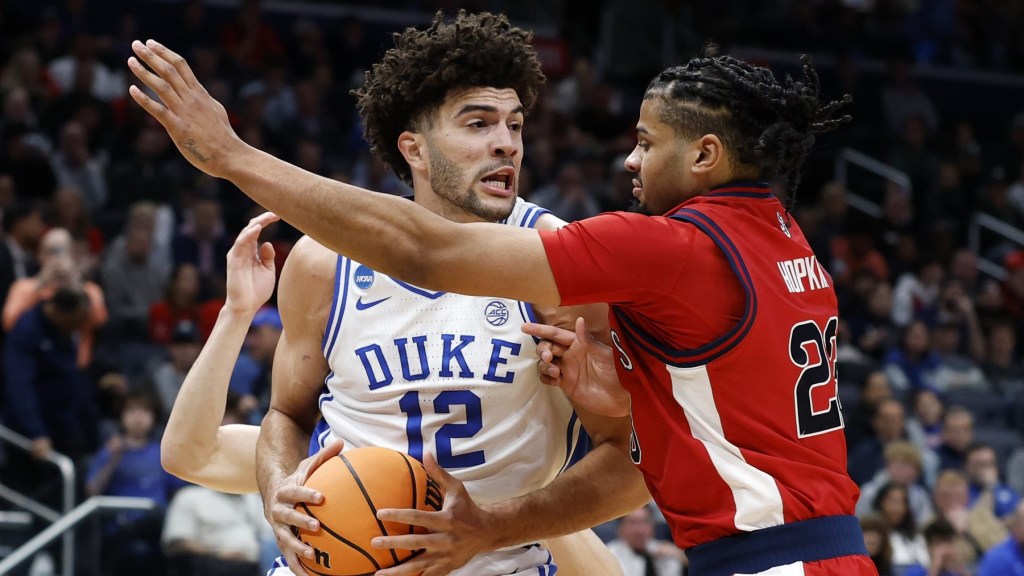
The NCAA is trying to fix the issue of NBA draftees returning to college.
The NCAA Division I cabinet will review three proposed changes issued by the Academics and Eligibility Committee on Wednesday related to pre-college enrollment athletics eligibility.
The first proposed change would require prospects to withdraw from professional league drafts that require players to opt in, like the NBA, to maintain their NCAA eligibility. The rule would bar players from returning to college after remaining in the draft pool, including in some cases after being drafted.
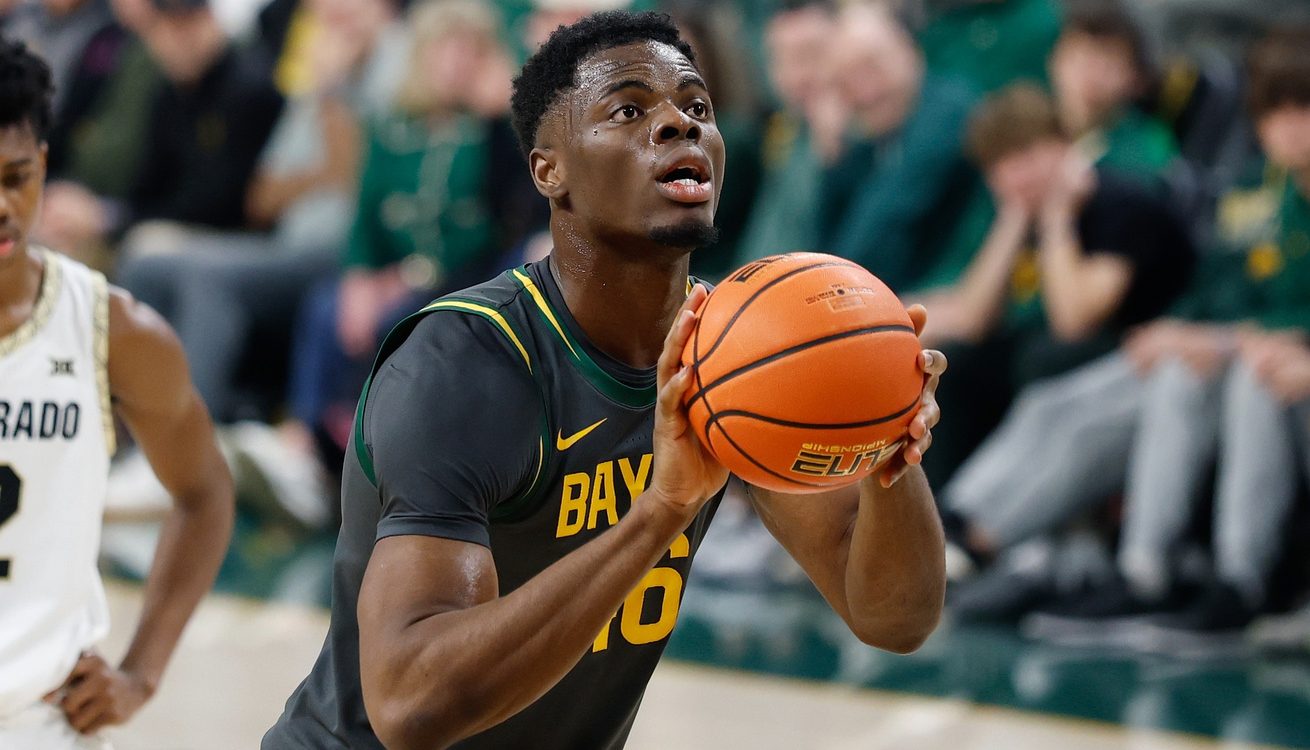
Such was the case with Baylor’s James Nnaji, who was selected No. 31 in the 2023 NBA draft. He never signed an NBA contract, instead playing professionally in Europe before returning to the NCAA in January.
But the rule would not prevent players who have signed professional contracts and have not declared for the draft, such as international prospects. It would also not affect leagues where players are not required to opt-in to the draft, like MLB.
Sports lawyer Mit Winter told Front Office Sports that this proposed rule is meant to prevent more cases like Nnaji.
“With the current rules, it makes it harder for the NCAA to successfully argue that athletes who play in college, then enter the draft (and are potentially drafted), and then when they want to come back to college, shouldn’t have eligibility,” Winter said via email. “If the current rule is changed to the proposed rule, it essentially creates a blanket rule that if you ever remain in the draft, you lose your NCAA eligibility.”
“That consistency makes it easier to defend the rule from legal attack.”
Legal Hurdles Loom
However, sports attorney Darren Heitner told FOS the NCAA may face some legal hurdles in getting the proposal over the line. He said it may be argued that the proposal is “a direct restraint on athlete economic opportunity.”
“Any rule foreclosing simultaneous participation in a professional draft evaluation and the collegiate eligibility process could face a Rule of Reason challenge, the NCAA has dealt with a lot in the recent past,” Heitner told FOS in an email.
The “Rule of Reason” is the legal standard used to weigh whether a rule’s harm to competition outweighs its benefits. In recent cases—specifically the landmark NCAA v. Alston case that led to sweeping NIL rule changes—courts have ruled that NCAA restrictions on athletes’ economic opportunities were not justified by traditional arguments about amateurism.
A similar challenge here would argue that forcing athletes to choose between testing the draft and maintaining eligibility limits their earning potential. Heitner said the NCAA’s justification for passing these types of proposals is “weaker than ever” following the Alston case.
The cabinet is expected to review the proposals in the coming weeks and, if approved, they would take effect starting the 2026–27 season.
The two other proposed rules would allow prospects to sign with agents before enrolling with an NCAA college, and allow prospects to accept prize money in sports without impacting eligibility.
The latter would address the tennis rule that allows players to accept only up to $10,000 in prize money. In February, the NCAA settled a lawsuit with UNC tennis star Reese Brentmeier and former Texas player Maya Joint (now WTA singles ranking of world No. 31) for restricting prize money acceptance.