Kalshi is facing intense scrutiny over potential markets tied to whether NCAA Division I football and basketball players will enter the transfer portal. The criticism comes even though the prediction-market platform says it won’t necessarily list the event contracts, and points out Polymarket has already had at least one similar offering.
The company self-certified the event contracts with the Commodity Futures Trading Commission (CFTC) on Tuesday, in a filing that said they would initially be listed as soon as Wednesday. Gambling industry outlet InGame was the first to report the self-certification filing.
But the event contracts have not been listed. Backlash began Wednesday evening, when NCAA president Charlie Baker told ESPN the organization “vehemently opposes college sports prediction markets,” which he said live in an “unregulated marketplace that does not follow any rules of legitimate sports betting operators.”
“It is already bad enough that student-athletes face harassment and abuse for lost bets on game performance, and now Kalshi wants to offer bets on their transfer decisions and status,” Baker said in a statement he later posted to X/Twitter. “This is absolutely unacceptable and would place even greater pressure on student-athletes while threatening competition integrity and recruiting processes.”
The transfer window for Division I football runs from Jan. 2 to Jan. 16. The window for men’s Division I basketball goes from March 23 to April 21, and the window for women’s basketball is from March 24 to April 22. Kalshi already offers event contracts on various college sports—in fact, the NCAA in November pushed Kalshi to change language on its platform that suggested there was an official relationship between the two. Kalshi complied—its platform now states that it’s “not affiliated, associated, authorized, endorsed by, or in any way officially connected with the NCAA.”
Kalshi spokesperson Elisabeth Diana responded to Baker’s comments, telling Front Office Sports “it’s inaccurate to say we are unregulated.”
“We are a federally regulated exchange, governed by the Commodity Exchange Act and its hundreds of regulations,” she said. “We as a company also have comprehensive internal policies to address trading integrity and responsibility issues, including in-house and third-party surveillance systems that monitor trading activity. We run Know-Your-Customer checks on everyone who trades on our platform.”
Kalshi said in a social media post “we certify markets all the time that we do not end up listing,” and noted “we have no immediate plans to list these contracts.” It also noted that “users with material nonpublic information” would be barred from trading on the markets, and said it has protections in place—including “in-house and third-party surveillance systems that monitor for suspicious activity.” Kalshi works with betting monitoring firm IC360.
The company says there are other examples of contracts it has self-certified but not listed, including one about the amount of water that California will allocate to a state water project, and another about whether another animal will successfully come out of extinction.
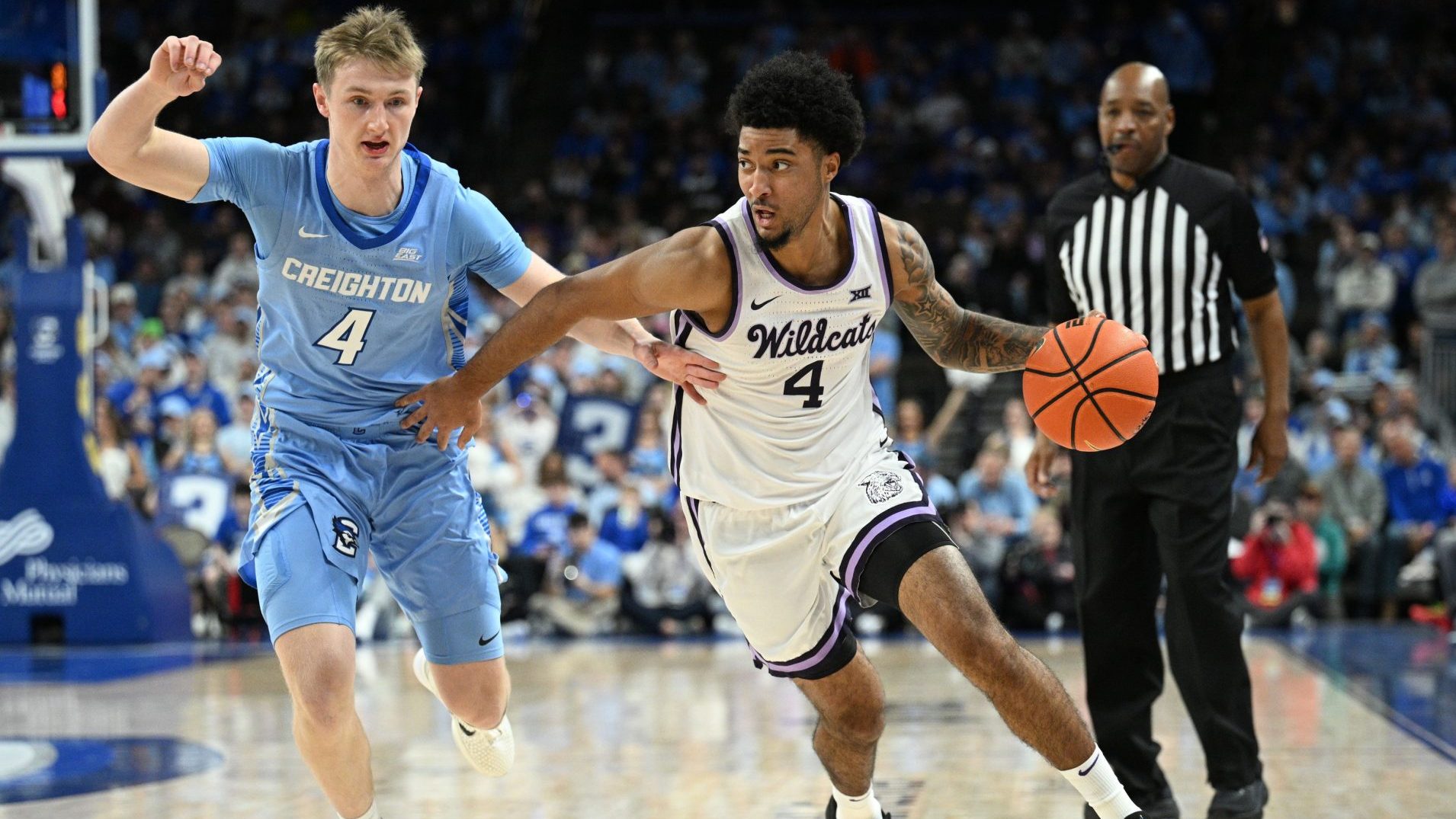
Meanwhile, Kalshi says its main rival, Polymarket, has already had live markets on transfer portals but faced no backlash. There is at least one example of a live Polymarket event contract that already ended, over whether Kansas State basketball player PJ Haggerty would transfer to NC State—he didn’t. That market was resolved Nov. 10, and a total of $2,375 was traded on it. A representative for Polymarket did not immediately respond to a request for comment.
The controversy came the same day Coinbase announced it is launching a prediction-market platform powered by Kalshi—the latest in a series of high-profile partnerships for Kalshi that also includes the NHL, CNN, and CNBC. The Coinbase news was overshadowed by the transfer portal self-certification.
In the transfer portal self-certification filing, Kalshi said those potential markets would resolve when either a player posts a statement on social media saying they’re entering the portal, a “source agency” reports that a player has announced or confirmed they are entering it, or if the athletic department of a player’s current school confirms their intent to enter the transfer portal. The filing listed the source agencies: the NCAA, the “relevant NCAA member institution,” ESPN, CBS Sports, 247/Sports, On3, Fox Sports, The Athletic, and the Associated Press.
If any of the above happens but the player ends up changing their mind and remaining at their current school, the market would still resolve—with money paid out—because they had announced their intent to enter the transfer portal, according to the filing.