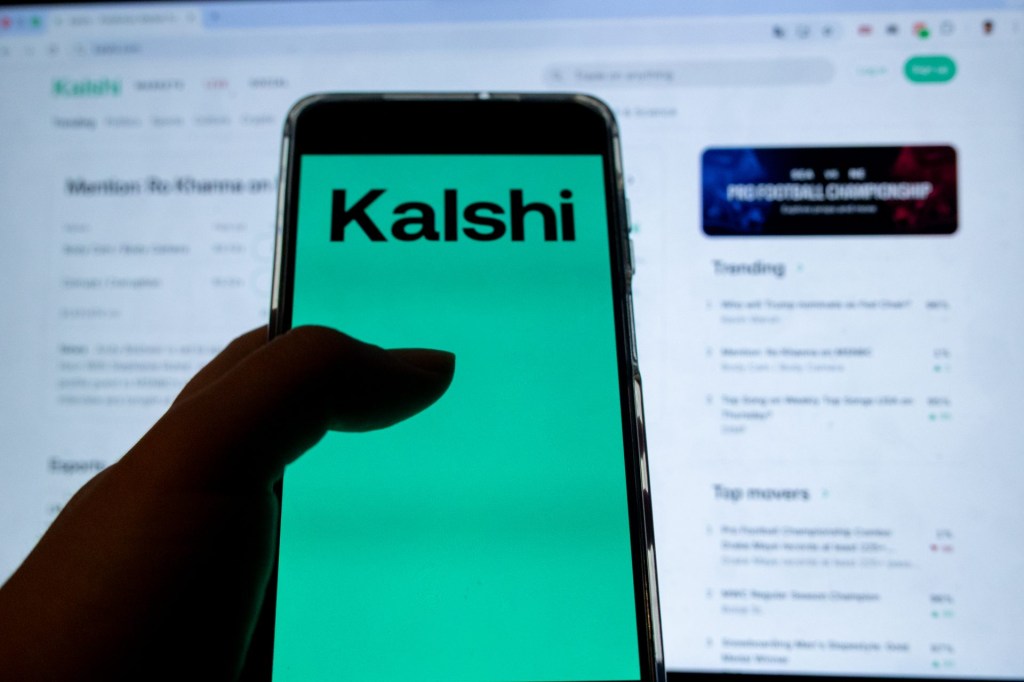
Someone at Kalshi woke up Christmas morning to learn they would be spending part of the day removing the company’s badges from at least three affiliate accounts on X/Twitter who made posts with antisemitic content.
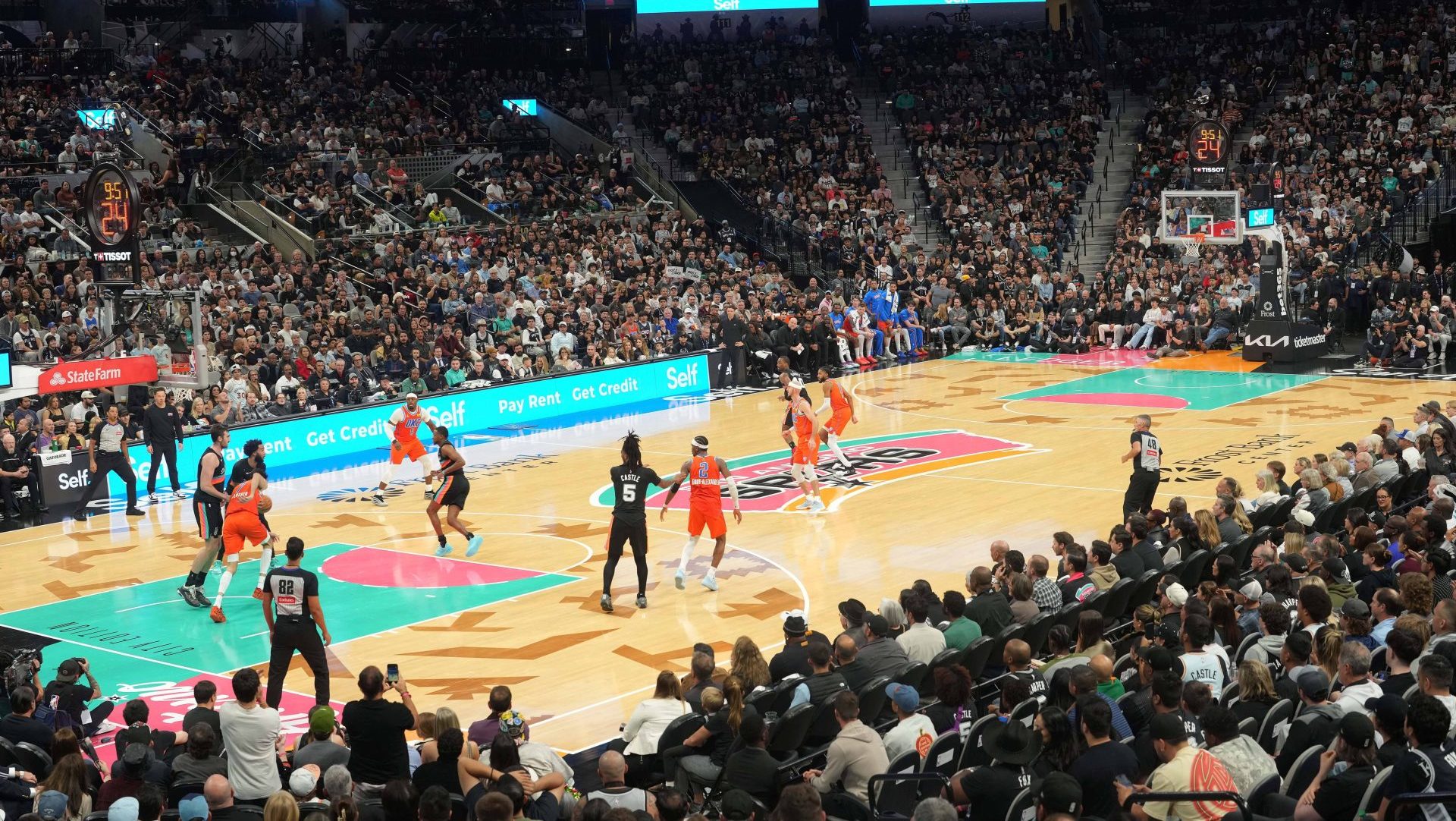
One of the posts featured NBA commissioner Adam Silver’s head photoshopped onto Adolf Hitler’s body, with the idea being that the league was unfair to the Thunder in scheduling them to play the Spurs three times in 12 days (the Spurs won all three games). All three accounts with antisemitic posts—first flagged by “The Closing Line” Substack author Dustin Gouker—had their Kalshi affiliate badges removed quickly.
Gouker highlighted a fourth post Friday morning, and Kalshi also quickly removed that account’s affiliate badge.
“Badges are like bumper stickers or team logos—accounts show brand affinity, but they’re not acting on our behalf,” Kalshi spokesperson Elisabeth Diana told Front Office Sports on Friday. “We prohibit any content that promotes hate speech, and we immediately revoked these badges for breaking our rules.”
Twitter launched the badge program in December 2022, months after Elon Musk bought the company and gutted its verification protocols. The affiliate badge program is a tool used by the platforms to draw attention to their prediction markets, like shitposting or CEO interviews on legacy TV news programs, and push consumers to begin using them.
Kalshi previously told FOS that giving out affiliate badges is “more akin to handing out hats with your logo on it” than marking those accounts as “official representatives” of the platform. But the company—which recently raised $1 billion at an $11 billion valuation—and its primary prediction-markets rival Polymarket have taken heat for posts made by accounts with affiliate badges.
Polymarket, which in October scored up to $2 billion from the operator of the New York Stock Exchange and is rumored to be in talks to raise more funds at a $15 billion valuation, has had its share of social media controversies as well. Emma Vance has a Polymarket Sports affiliate badge, describes herself as “lead Polymarket reporter,” and has had a number of fake sports news posts go viral, including one that said Giannis Antetokounmpo requested a trade and another that said the Steelers were “exploring trade options” for head coach Mike Tomlin.
Polymarket’s approach has been to not acknowledge or comment, and a representative for the company did not respond to a request for comment Friday.
A recent example that went mostly unnoticed on social media came on Christmas Eve, when one of Polymarket’s own verified accounts—not an affiliate—made a now-deleted post promoting the company’s still-active market on whether Alex Honnold will successfully climb the Taipei Tower, something that will be streamed live on Netflix Jan. 23. The post noted that the market felt there was a 24% chance “Alex Honnold dies (or does not complete) his ropeless climb.”
On Nov. 25, another verified Polymarket account posted, and then deleted, a post containing a racial slur toward Indians.
Prediction markets, which exploded onto the scene in 2025, have generated controversy for their sports event contracts that appear very similar to gambling. Kalshi is arguing in court that there is a technical difference between “trading” on the outcome of sports and betting on sports. The predictions market industry is also viewed favorably by the Trump administration
The NHL has embraced prediction markets—Kalshi and Polymarket are both official partners of the league—and last week, the Blackhawks reached a deal with Kalshi, becoming the first North American pro sports team to partner with a prediction-market platform. The NFL, NBA, MLB, and NCAA have remained wary.