Over the past month, the @ScottHughesMBB account on X/Twitter has repeatedly posted fake news that has fooled people and gone viral.
Since early November, false reports from the account have included: that St. Bonaventure GM Adrian Wojnarowski was ejected from a game for “berating the officials”; that Kentucky basketball coach Mark Pope made a molestation joke in a press conference; and that Michigan State basketball player Jeremy Fears has “special needs.” The account’s bio says he’s a “credentialed men’s college basketball reporter” and that he has worked at Sports Illustrated and 24/7 Sports. He is not and has not.
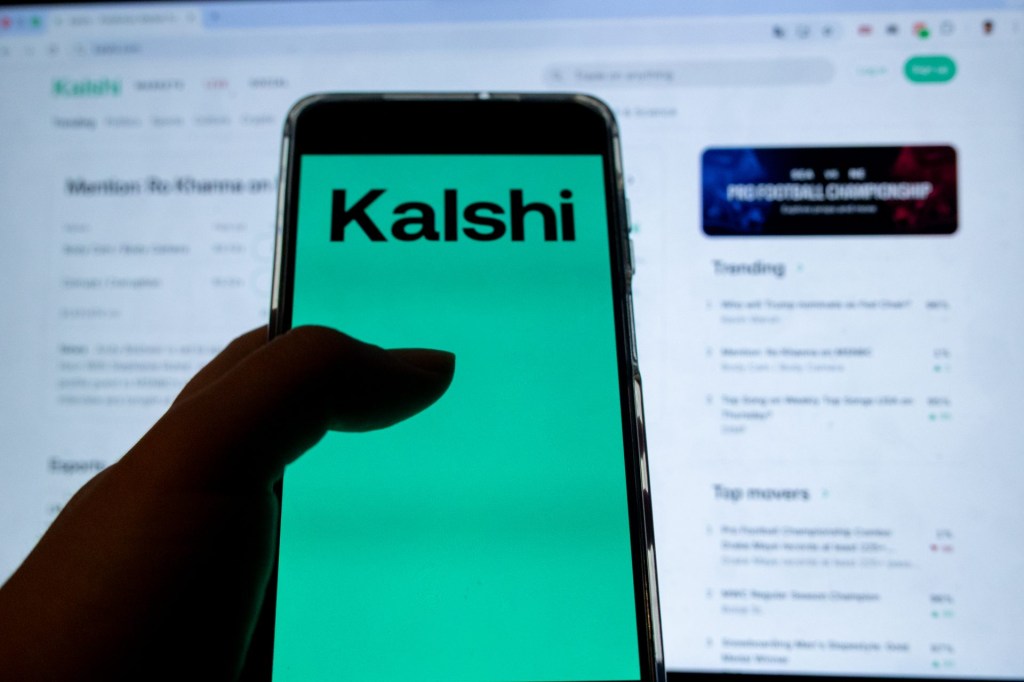
The account previously had an official affiliate badge from prediction market Kalshi. After the Fears and Pope posts got widespread attention, Kalshi removed the badge on Dec. 8.
Still, Kalshi and its rival Polymarket, both of which have taken heat for things tweeted by affiliate accounts, are not backing away from using affiliate badges. And Kalshi is downplaying the significance of giving out such badges.
“Some people have claimed badging is making someone an official representative of the company; I am not sure where they are getting this from, it is more akin to handing out hats with your logo on it,” a Kalshi spokesperson told FOS.
“The purpose of it is brand awareness. We can only reach so many people on social media through our direct channels, so badging is a way to get our logo and brand spread wider.”
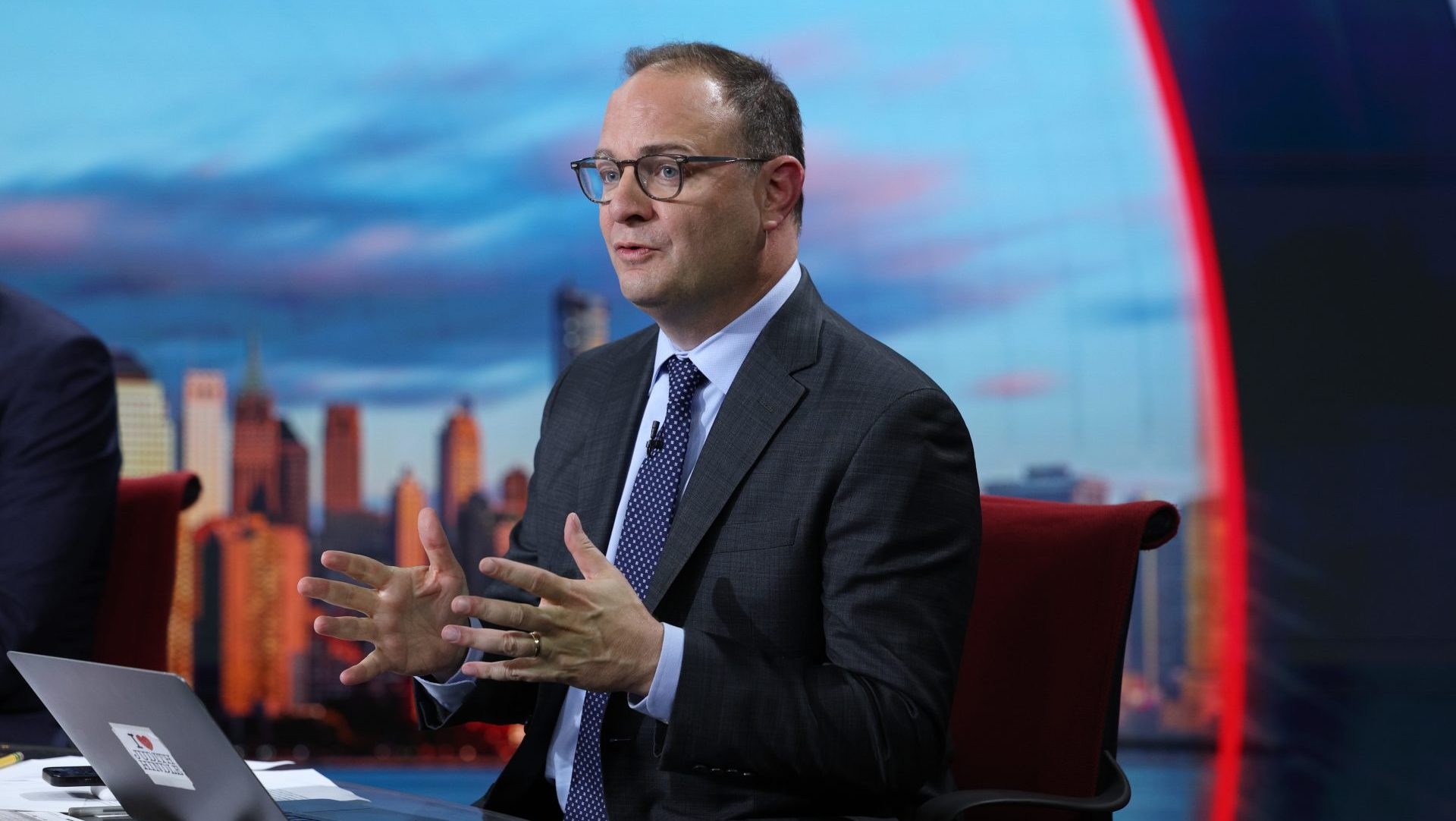
Wojnarowski tells Front Office Sports he was sitting in the stands watching his team play when he started getting a “slew of text messages” from people who thought the Hughes post was real. At first, he planned to ignore it, but the volume of messages became too great to brush off.
“I’m really trying to focus on our first game of the year against a really good opponent, but I’m cognizant of the fact that people can’t tell the difference between what’s real and fake anymore,” he says. “What bothered me the most was that it was distracting from our team.”
St. Bonaventure beat the Bradley Braves 69–63 that day. “I wanted people to be talking about that, and not about this fictional tweet,” Wojnarowski says.
“Even people who are very discerning consumers of information, it’s hard to tell when something is real,” he says. “This is just sports, and of course we take what we do seriously, but there can be far greater consequences in other areas.”
Twitter launched the badge program in December 2022, months after Elon Musk bought the company and gutted its verification protocols.
Affiliate badge programs are a tool for platforms like Kalshi and Polymarket to push consumers to their prediction markets—like shitposting or CEO interviews on legacy TV news programs.
Twitter says affiliation badges indicate “that an account is connected to an organization on Twitter.” A representative for Twitter did not respond to a request for comment.
Scott Hughes wasn’t the first time Kalshi has dealt with controversy over an affiliate account. In August @InsiderWire, an account with a Kalshi affiliate badge at the time, posted, “all 55 million visa holders in the U.S. are being reviewed for deportable violations,” and when another user responded “deport all Indians,” the Kalshi affiliate replied with a finger emoji pointing up at the comment in agreement. Kalshi cut ties with the account, saying “we have zero tolerance for this behavior.”
Polymarket affiliates have met with criticism for posting fake news as well. Emma Vance, who has a Polymarket Sports affiliate badge, describes herself as “lead Polymarket reporter,” and has had a number of fake sports news posts go viral, including one that said Giannis Antetokounmpo requested a trade and another that said the Steelers were “exploring trade options” for head coach Mike Tomlin.
Prediction markets—under fire from multiple state regulators but viewed favorably by the Trump administration—might be betting on becoming “too big to fail,” according to Melinda Roth, a professor of business, sports law, and corporate finance at Washington and Lee University.
“They are brazen people,” Roth tells FOS. “You have to wonder why they are doing what they are doing. Are Kalshi and Polymarket pushing to make as much money as they can before this gets shut down? Or are they pushing to become such a part of the public consciousness that it’s inevitable they’ll be allowed?”
Kalshi said the “Scott Hughes” account “used to be a normal meme account and have a badge, but then eventually changed to being a fake news account labeled parody. Upon learning of the change, we immediately removed his badge. Posting things that could potentially move markets isn’t something we want to be associated with, so out of an abundance of caution we just decided to get rid of him as part of the badge network.”
It’s not clear if Scott Hughes is a real person pretending to be a reporter or a fake account entirely. The account did not respond to messages from FOS.
The “badge network” isn’t going away, though, as Kalshi sees it as a useful marketing tool. And Polymarket has the same view.
“Badges can be good for amplification,” Nick Tomaino, an early investor in Polymarket who sits on the board, told FOS, ”but I would love to see everyone get away from overselling narratives and blind tribal shilling. As an industry we need to be careful about shilling too much. Shilling nonsense like ‘prediction markets aren’t gambling’ is not helpful.”
An official spokesperson for Polymarket did not respond to several requests for comment.