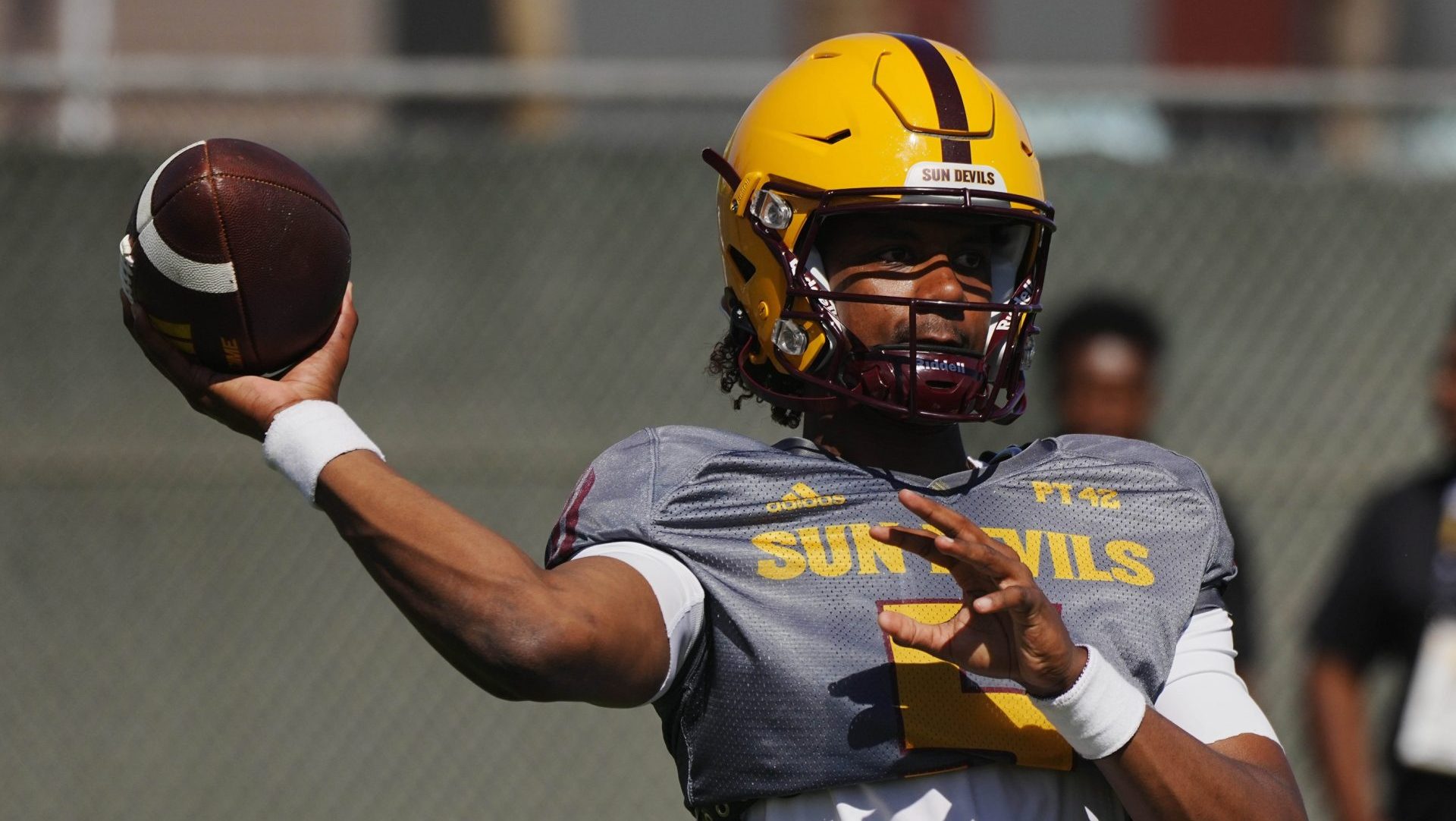
NCAA quarterback Jaden Rashada has agreed to a settlement in his lawsuit against former Florida coach Billy Napier and others over alleged unfulfilled NIL (name, image, and likeness) payments.
When the lawsuit was filed in 2024, it was considered the first case of its kind in the NIL era. But now, the case has settled before reaching what was expected to be a deeply invasive discovery phase and trial in open court. Terms of the settlement were not disclosed.
Rashada first made headlines when he was offered $9.5 million to play at Miami in 2022; that deal was supposed to be paid by former Miami booster John Ruiz. However, Rashada ended up flipping to Florida before he ever played at Miami. Rashada was offered $13.85 million to play at Florida—but he never played a down there either, opting instead to transfer to Arizona State for the 2023 season.
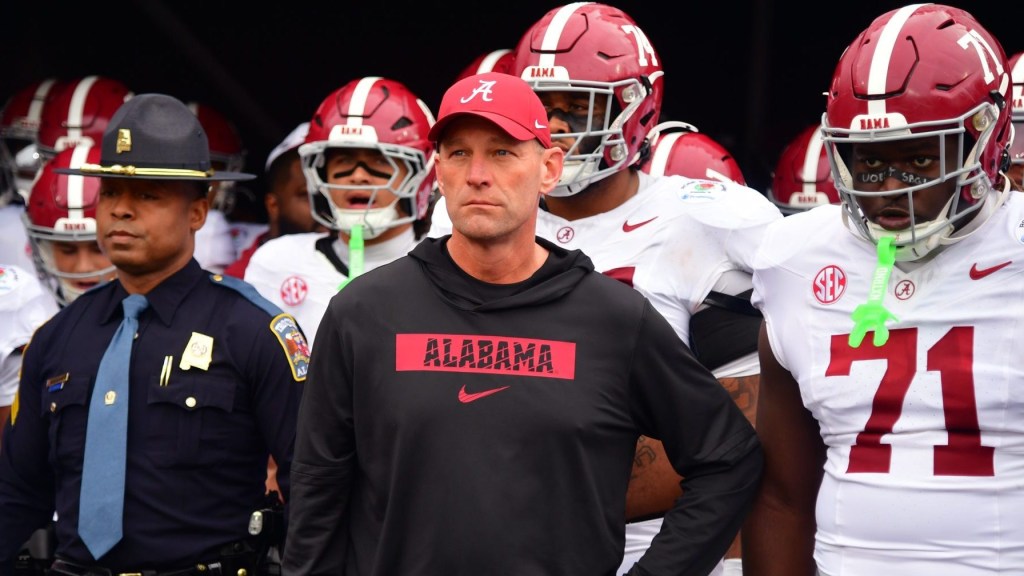
In May 2024, Rashada sued Napier, as well as former director of player engagement and NIL Marcus Castro-Walker, booster Hugh Hathcock, and the donor’s former auto dealership. He argued that NIL promises went unfulfilled, which caused him to decommit. He also argued that he lost the opportunity to earn $9.5 million at Miami. When the lawsuit was filed, Rashada had completed a year at Arizona State and transferred to Georgia. (Rashada never played at Georgia; he then transferred to Sacramento State where he played one year. Recently, he landed another transfer, and will play at Mississippi State this upcoming season. Napier was fired from Florida this past fall and recently took the head coaching job at James Madison.)
Though Rashada filed the first lawsuit in the NIL era, he wasn’t the first to reach a resolution out of court. Duke settled with former quarterback Darian Mensah, who Duke claimed violated the terms of his NIL/revenue-sharing agreement by leaving before the contract term was up in December of 2026.
Henry Coxe, the attorney representing Napier, said: “The parties have reached a confidential resolution of the litigation. The case will be dismissed, and all parties are moving forward.”
Attorneys for Rashada and Hathcock did not immediately respond to requests for comment.