Want more from Front Office Sports
in your search results?
Sports economist Andy Schwarz thinks he has a plan to put an end to the argument for good.
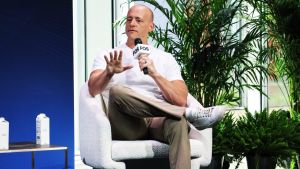
Everyone has something to say about the NCAA system. Some good, some bad, but most give the answer of “pay the players” or “they get enough money from their scholarship, food, housing, etc.” However, no one ever gives a fully detailed plan. Until now. Meet Andy Schwarz; an economist specializing in antitrust, damages and sport economics. He is a partner at the law firm OSKR and the main author at Sports Geekonomics.
Andy Schwarz has a plan.
Schwarz agreed to answer some questions that really brought his mock plan to light.
1. What prompted you to formulate this idea, in the first place?
“A mix of things. Joe Nocera and Ben Strauss’ book, Indentured, ends with a sort of downer note — O’Bannon wins, but then has his victory narrowed on appeal. That appeal bought into the idea that amateurism is both a critical driver of consumer demand, but at the same time is so fragile it can’t survive in competition if some schools chose to exceed the agreed upon level. I also heard Jim Delany say that if the NCAA ever lost a more aggressive case, it would run to Congress seeking an antitrust exemption to gut the court loss and legalize their collusion.”
“I figured there are only two other ways beside litigation and legislation to end a cartel. One is organization/unionization, but the Nation Labor Relations Board decision that came around the same time seemed to vaporize that option, so all that was left was disruptive market entry from a better product.”
“If the NCAA is correct, and amateurism is what people want to buy, my idea will flop. But, if I am correct and what people want is to watch excellent basketball talent playing for their universities and don’t care if they are walk-ons, scholarship recipients, scholarship plus a small check recipient or scholarship plus a hefty check recipient, then a disruptive entrant could come in, gobble up the best talent with a superior salary plus scholarship offer, and essentially take the NCAA’s selling point away from them.”
“And better still, again, if amateurism doesn’t matter, but the NCAA continues to insist it does, the NCAA can’t strike back like a normal league would, by burying the new league in a price war.”
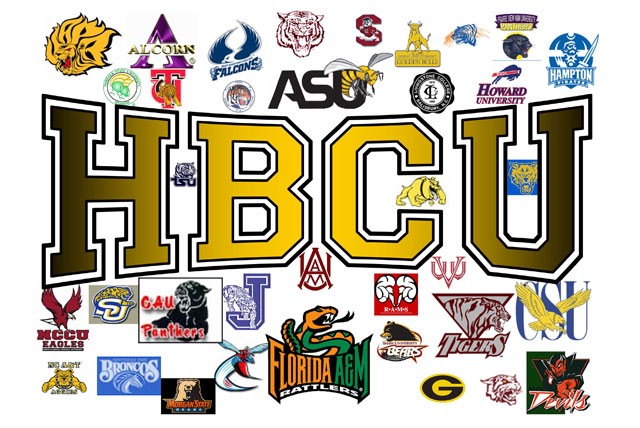
2. Why do you believe this HBCU Free Market Idea will work?
1) “HBCUs can be a strong brand that Americans will like, regardless of race.”
2) “I think HBCUs are uniquely positioned to see the struggle for college athlete’s rights as part of a broader civil rights movement that they are already a part of. (Black males make up 56 percent of college football teams and 61 percent of college basketball teams)”
3) “I think amateurism as a demand driver is a fiction, and what actually sells is the blend of college brand value and basketball excellence. While the HBCUs brands today are not as strong as the best basketball PWIs [predominantly white institutions], they aren’t so far away that an infusion of talent won’t tip the tables.”
4) “Monopolies are horrible competitors when they get disrupted. Just ask a taxi driver whether his company responded well to Uber.”
3. From your background in sports economics, give me a guide on how you think the NCAA should run. What would make the players happy and the NCAA happy in regards to both parties making money and running a successful entity?
“I believe the NCAA should run March Madness and verify the academic veracity of each athlete’s curriculum. Focus on stopping UNC-style fraud as laid out in the Wainstein report.”
“In terms of compensation, at most I think the NCAA should certify whether a school is following amateurism standards (like a good housekeeping seal of approval), but not punish any school that chooses to pay more. Fans can “punish” a non-amateur school by taking their business elsewhere (if amateurism is a driver of demand) or can “reward” schools for competing more aggressively by continuing to watch and buy tickets.”
“Each conference would then be free to set its own rules on how much its members could pay. The conference could even DO the paying, if schools prefer not to employ their athletes.”
That’s how the HBCU League would operate if it were to come to life — athletes are students on scholarship from their colleges and play on the basketball team, but they are also employees of the HBCU League.
“The league, as their employer of a sports league that pays them for their time and their TV rights, makes a TV deal with a broadcaster and uses that money to pay the salaries of the players and pay the colleges for their role as well.”
“I don’t know whether the NCAA would be happy or not.”
I think what the NCAA does know how to do, is how to operate as an economic cartel (not the same as like the Medellin cartel — an ECONOMIC cartel, a price fixing organization like OPEC (Organization of the Petroleum Exporting Countries), but facing wages, not prices).
“In the medium to long run, the schools won’t be much worse off, if at all. Coaches’ pay will decline and the urge to build ever-more-lavish practice facilities will, too, as schools can show their love to a player directly with pay. Donors will be able to funnel all their ‘illegal benefit’ urges into legit payments above the table. Markets work throughout America and they’d work here too.”
Do you think this could work? Let us know in the comments!
I want to thank Mr. Schwarz for taking the time to tell me more about his free market idea. Follow him on Twitter at Andyhre.
Front Office Sports is a leading multi-platform publication and industry resource that covers the intersection of business and sports.
Want to learn more, or have a story featured about you or your organization? Contact us today.
If you liked this, click the???? below so other people will see this here on Medium.
Download the FOS App
The business of sports, in your pocket.



Scan the QR code to get the app now.