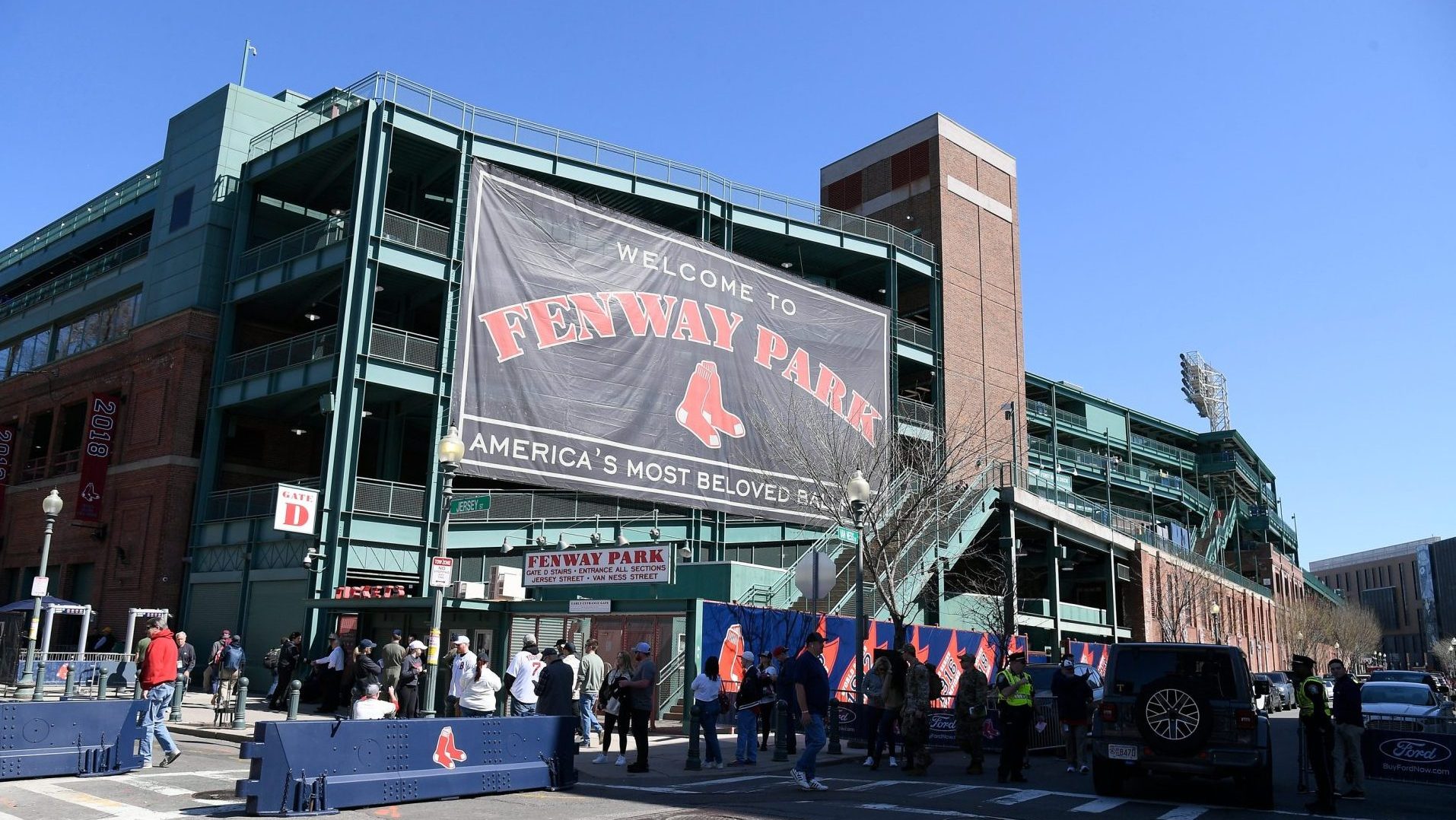
Workers at Fenway Park reached a new contract with service provider Aramark after a lengthy labor battle that included a strike during the Red Sox–Dodgers series this summer.
Unite Here Local 26, the union that represents Boston-area hospitality workers, announced Sunday that the Fenway workers had ratified a new contract on Saturday morning at the ballpark.
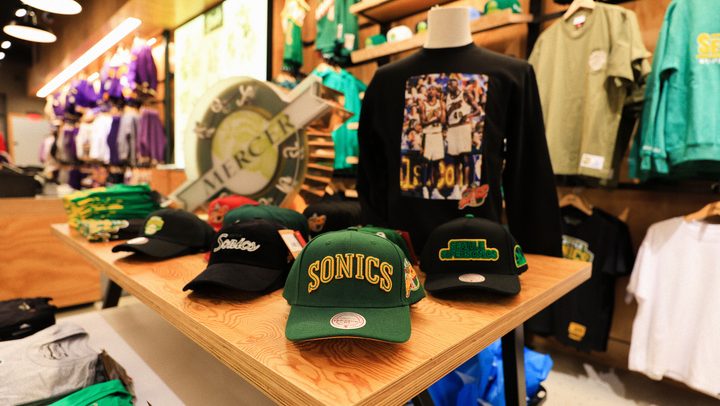
Over 1,000 union workers at Fenway Park and adjacent MGM Music Hall—including food and beverage vendors, cooks, souvenir salespeople, suite attendants, and catering staff—had been working without a contract since their previous one expired on Dec. 31, 2024. The two sides were “frankly very far apart” on wages and automation, and also had issues with scheduling, union president Carlos Aramayo told Front Office Sports this summer. The workers went on strike in July while the Red Sox hosted a weekend series against the eventual back-to-back World Series champion Dodgers. This fall, the union filed a complaint to the National Labor Relations Board and Aramayo testified before Congress about technology in the workplace.
The five-year contract includes increased pay for workers, and income and staffing guarantees as Aramark puts in more automation at the ballpark.
Technology was a big part of the negotiations. Workers had strongly opposed Aramark’s recent shift toward self-checkout machines, saying they replaced jobs and took away charm from MLB’s oldest park. “As soon as you put a computer in place of that transaction, you’re removing that ‘it’ factor,” ballpark employee Laura Crystal told FOS in June.
The negotiations didn’t eliminate the self-checkout machines, but guaranteed that Aramark will have to use humans to staff them. The contract mandates one worker per two machines. The people who check IDs will also come from the union now, rather than continuing to contract those workers out. Both of these measures are intended to help make sure customers aren’t being overserved.
The Red Sox declined to comment on the new agreement, instead deferring to Aramark.
“We value our employees, and we are pleased to have reached an agreement in this process that works for both parties,” a spokesperson for Aramark said in a statement to FOS. “We remain focused on delivering an outstanding experience for the fans, customers and clients at Fenway and MGM now and into the future.”
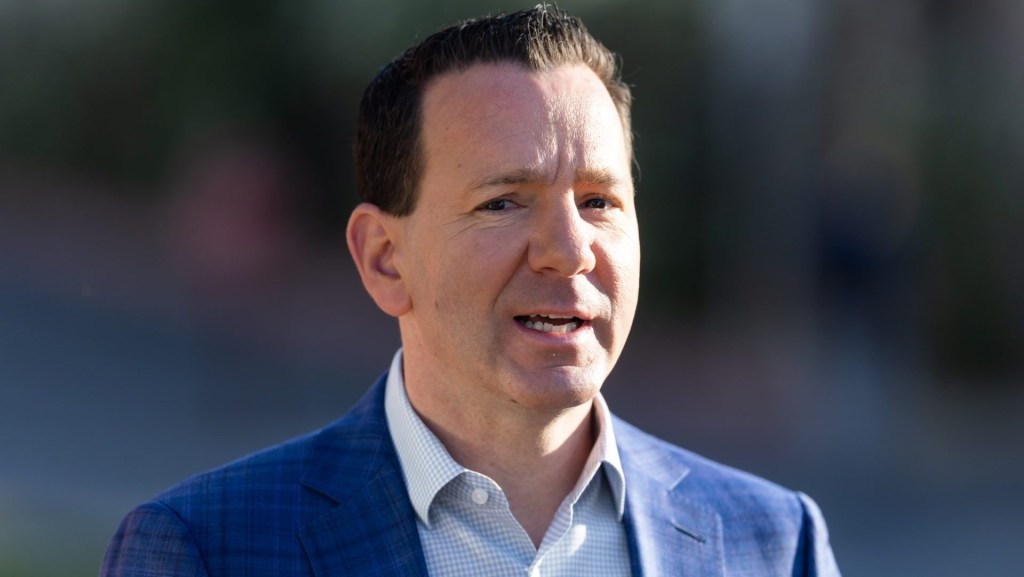
Aramayo called the deal an “extraordinary settlement” while speaking with reporters on Monday along with other union representatives. They said a mediator from MIT significantly eased negotiations.
“Together we were able to reach an agreement that the tech will still be there so that fans can get their beer a little bit faster, but our members aren’t going to bear the cost of that,” Aramayo said Monday. “And I think that is a model that really should exist in any discussion of technology in the workplace.”
Wages for non-tipped, back-of-house workers will go up by $10 over the course of the contract. The commission for vendors selling up and down stadium aisles will increase from 14% to 15%, the first change in that category in the decades of Fenway records, Aramayo said. Tipped wages and catering gratuity will also increase.
Saturday’s tally to ratify the agreement, which was the first deal the union put up for its members to vote on, was 246–35.
Aramayo said the players had been supportive of the workers’ effort, and the union wants to support the players association going forward. MLB players and league owners are currently far apart on issues including a potential salary cap as the current collective bargaining agreement is set to expire on Dec. 1, 2026.