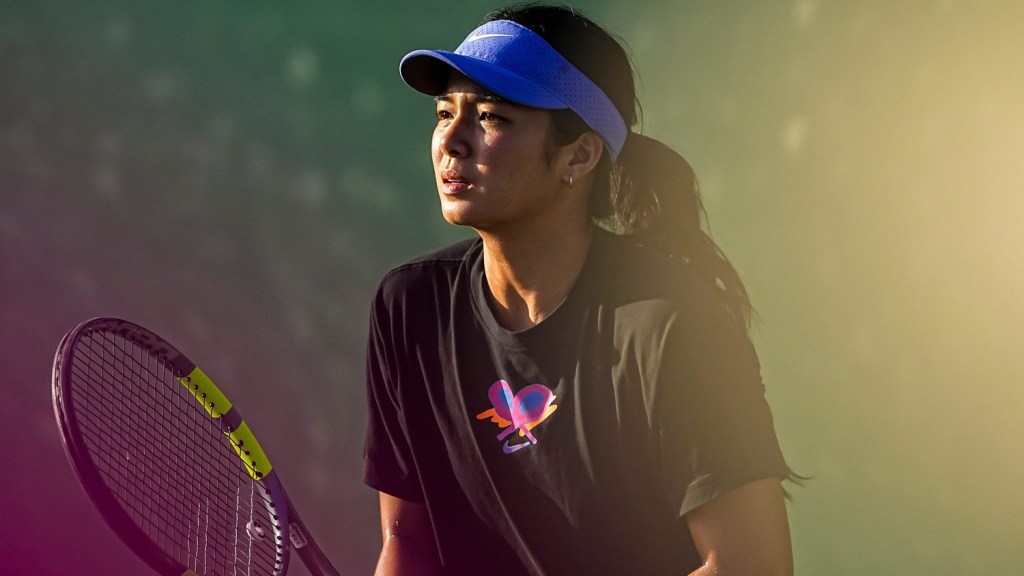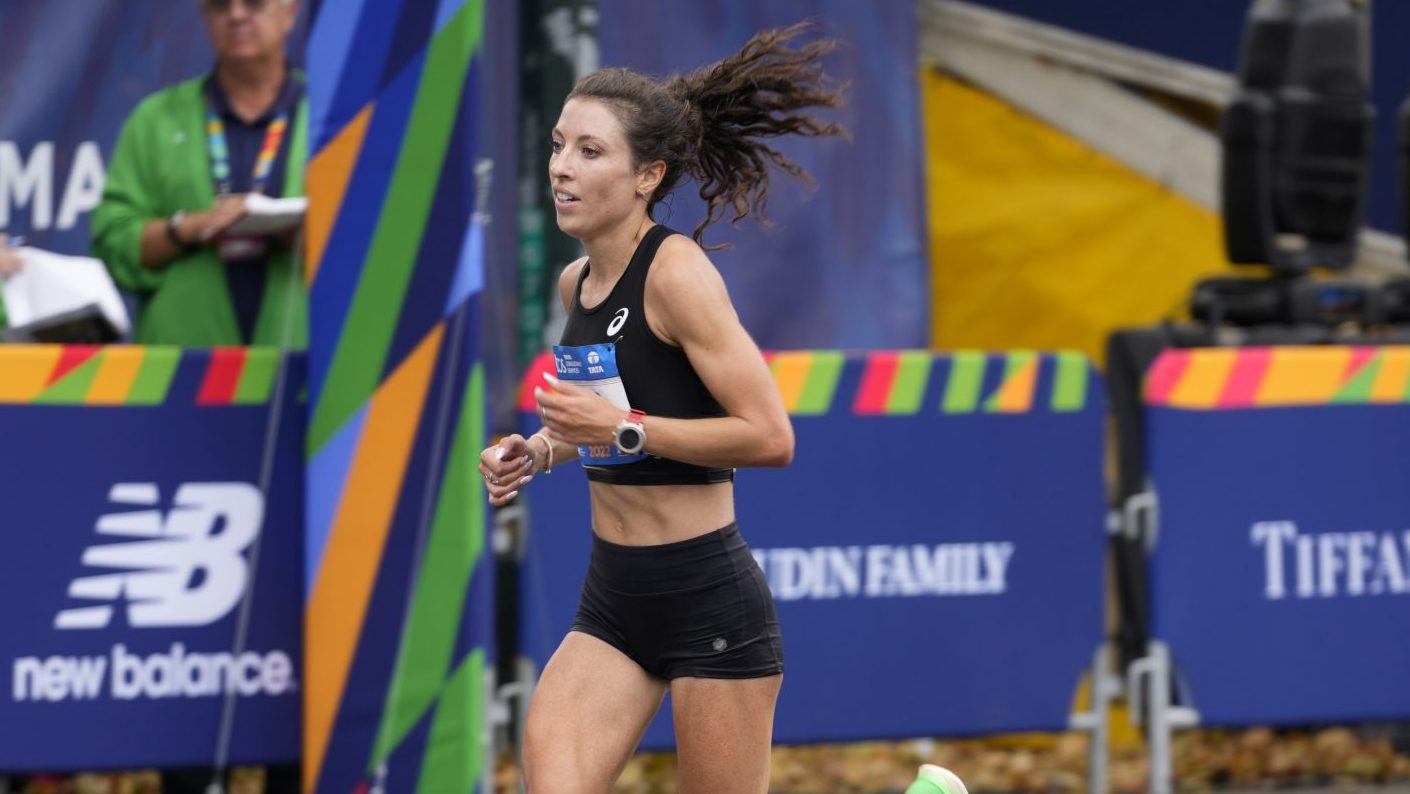
Just three weeks ago, star U.S. marathoner Emma Bates announced she’s pregnant.
Now, she says, she has lost at least one endorsement deal.
“Since my fueling company dropped me after telling them I was pregnant,” Bates said in a social media video on Tuesday, “I have been trying a bunch of new gels.”
The company, UCan, denied Bates’s version of events.
“The partnership decisions for 2026 were made in September 2025 as a part of regular business planning and before any knowledge of her pregnancy,” a UCan spokesperson told Front Office Sports. “We made an effort to continue working with Emma under a new agreement, but she ultimately chose not to move forward with that option.”
The spokesperson said that Bates “is an incredible athlete and we sincerely wish her the very best.”
Bates’s agent did not immediately respond to requests for comment. She had endorsed the company’s products for three years.
Fueling products have become increasingly large players in endurance sports as new science has shown their value to runners and cyclists.
Another of Bates’s sponsors, Asics, has come under fire for its treatment of pregnant athletes before. In 2019, middle-distance runner Alysia Montaño wrote that she had left Nike over the company cutting her pay while she was pregnant, only for her new sponsor—Asics—to do the same thing and reduce her contract by half after she had another child.
Asics did not immediately respond to questions about Bates or its current maternity policy, but many shoe companies changed their policies around pregnant athletes after Montaño, Allyson Felix, and Kara Goucher all told The New York Times in 2019 that Nike had slashed their pay or attempted to renegotiate their contracts while they were pregnant.
“Getting pregnant is the kiss of death for a female athlete,” middle-distance runner Phoebe Wright said at the time.
Unlike many other sports, professional runners largely rely on endorsements for income, and shoe contracts are often written in a way that let the company unilaterally cut the athlete’s pay based on performance. (The cuts, known as “reductions,” are practiced by most but not all shoe companies.) Employment laws around pregnancy generally do not apply to runners, who are independent contractors.
The 33-year-old Bates has been one of the country’s best long-distance runners in recent years, finishing second at the Chicago Marathon in 2021 and eighth in Boston last year. Her 2:23:18 marathon best ranks No. 14 in U.S. history, and she has said that she was pregnant when she ran 2:25:51 in Valencia, Spain, last December.
Many sports have still been slow to add pregnancy protections.
The newest WNBA collective bargaining agreement requires teams to get pregnant players’ consent before trading them, a clause players fought for after Dearica Hamby sued the league and her team over how she was treated during her pregnancy. Hamby and the Las Vegas Aces settled the suit in December.