Lawmakers on both sides of the aisle agree the country has a sports integrity problem due to the proliferation of betting.
A coalition of bipartisan lawmakers is demanding MLB commissioner Rob Manfred explain how the league failed to catch the illegal sports betting scheme that resulted in the indictment of Guardians pitchers Emmanuel Clase and Luis Ortiz.
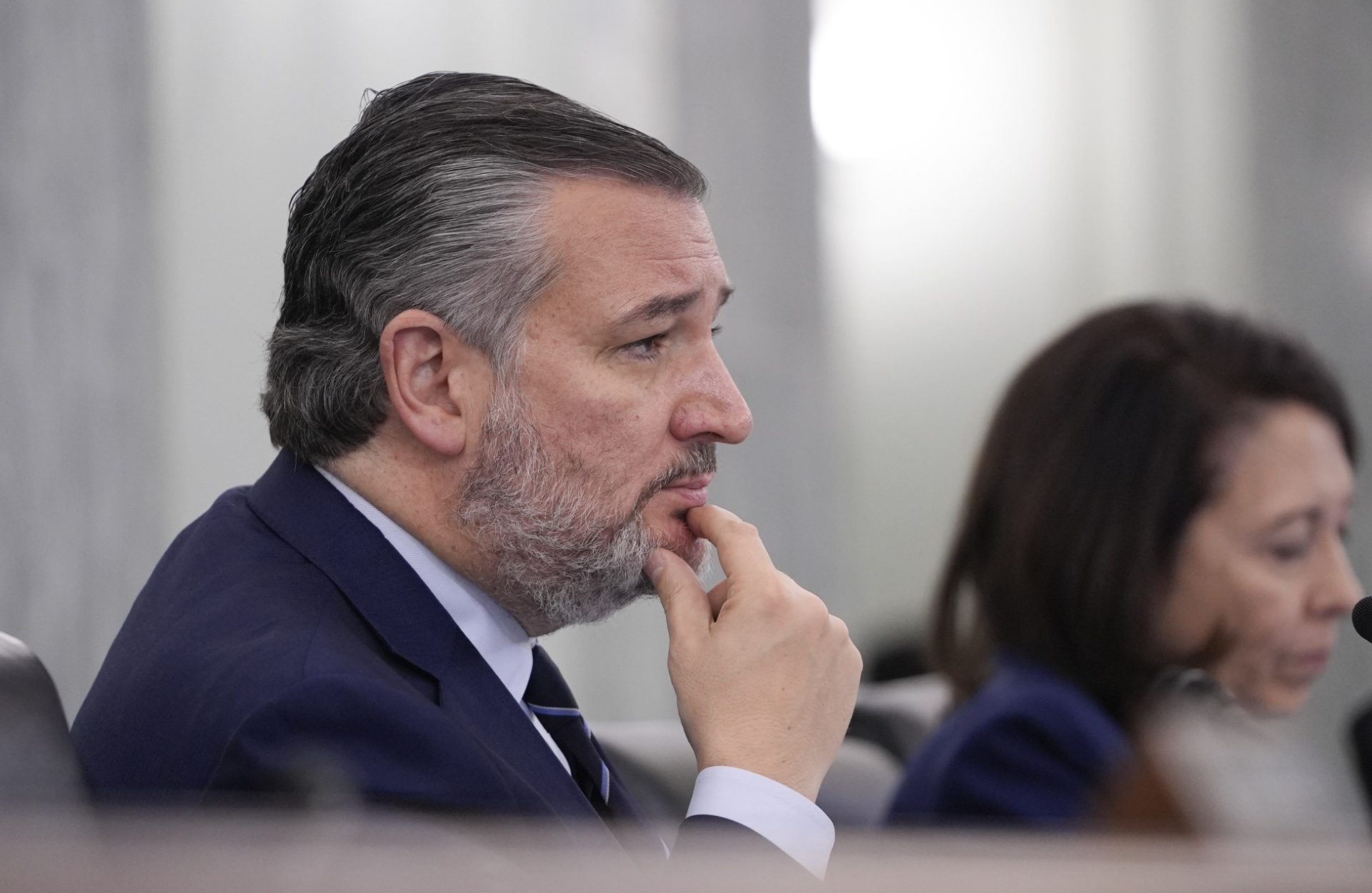
The U.S. Senate Committee on Commerce, Science, and Transportation, which is made up of 28 lawmakers—led by Ted Cruz (R., Texas) and Maria Cantwell (D., Wash.)—issued a letter Nov. 14 to Manfred requesting written responses to a series of six questions no later than Dec. 5. The questions relate to how the alleged activity from Clase and Ortiz went undetected for so long, when the league first found out, and what it is doing to prevent future issues.
The lawmakers also want the league to provide documents and information, such as “communications between MLB and any sports-betting platform or sports gambling integrity monitor regarding suspicious or flagged sports wagers.”
“The integrity of the game is paramount,” the letter says.
The U.S. Department of Justice indicted Clase and Ortiz just over a week ago, alleging they engaged in wire fraud conspiracy. The government claims the two players played significant roles in a “scheme to rig bets on pitches” during MLB games. According to the indictment, the scheme went on for more than two years, starting with Clase in May 2023. He allegedly recruited Ortiz to join the scheme later—Ortiz is accused of starting to rig specific pitches this past June.
“Perhaps most shockingly, this scheme lasted more than two years before MLB found out,” the letter says.
Both players pleaded not guilty. The league, which has been investigating the pitchers since the summer, says its probe remains ongoing. Ortiz, a 26-year-old right-handed starter, was placed on paid non-disciplinary leave by MLB on July 3. A few weeks later, on July 28, Clase—a 27-year-old righthander who is a three-time All-Star—got caught up in the fray.
A representative for MLB declined to comment Tuesday. The day the indictment came out, the league said it “contacted federal law enforcement at the outset of its investigation and has fully cooperated throughout the process.”
The following day, the league said all of its authorized gaming operators, including FanDuel and DraftKings, had agreed to cap wagers on pitch-level markets at $200 and exclude those bets from parlays.
The NBA
The lawmakers recognize the issue of illicit sports betting is not unique to baseball, writing that “Major League Baseball, and American sports generally, are facing a new integrity crisis.”
The same committee wants answers from NBA commissioner Adam Silver on that league’s sports betting issues. A separate group of lawmakers—a bipartisan collection of six members of the House Committee on Energy and Commerce—has also demanded answers from Silver.
The NBA gambling scandal erupted last month, with the DOJ producing two indictments—one focused on the sharing of insider information for sports betting, and another targeting a series of Mafia-backed poker games that were allegedly rigged.
Heat guard Terry Rozier and former NBA player and coach Damon Jones were named in the betting indictment; Jones and Trail Blazers head coach Chauncey Billups were named in the poker indictment—although the sports betting indictment suggests Billups tipped off bettors that the team was tanking. Free agent Malik Beasley, who was not named in either indictment, is being investigated by the NBA for sports betting allegations; his lawyer says while he’s “not barred” from the league, he’s “stuck in investigative purgatory.”
The NBA hired Wachtell Lipton to probe the sports betting claims, and this week it became clear that action is being taken, as the law firm has reached out to multiple teams, including the Lakers, to seek documents, cellphones, and other information.
“As is standard in these kinds of investigations, a number of different individuals and organizations were asked to preserve documents and records,” an NBA spokesperson told Front Office Sports in an email. “Everyone has been fully cooperative.”
The NCAA
It’s not just the pros. The House Committee on Energy and Commerce, which has 54 total members and contains a mix of Republicans and Democrats, has been looking into sports fixing and illegal gambling in the college ranks since October.
Its probe relates, in part, to the fact that the NCAA recently approved new rules to allow current college athletes to bet on professional sports. Implementation was delayed following the NBA gambling scandal and the NCAA’s own investigation into about 30 current or former men’s basketball players for potential gambling violations.
A few days after the delay, the committee issued a letter to NCAA president Charlie Baker saying that the planned policy “raises questions about sports betting and integrity of sport in the NCAA.” The letter featured nine questions, including why the organization is planning to change its sports betting policy, whether it has “conducted any studies, analyses, or reviews of the impact of gambling on student athletes,” and what guardrails it has in place to prevent illegal activity.
The committee demanded answers by Nov. 13. That same day, New Jersey law enforcement authorities charged 14 people for crimes including money laundering and gambling offenses; college athletes were allegedly involved.
Tim Buckley, SVP of external affairs for the NCAA, told FOS in an emailed statement the organization “has the most aggressive approach of any U.S. league in taking sports betting head on.”
“The most significant threats to competition integrity are in states that continue to offer risky prop bets as well as the emerging grey market made up of futures and predictions trading sites that operate without oversight,” he said. “For the last two years, the NCAA has been urging regulators to push for adoption of stronger protections for college athletes and for stronger integrity measures and, while several states have made changes, more work remains.”
A representative for the House committee did not immediately respond to a request for comment.