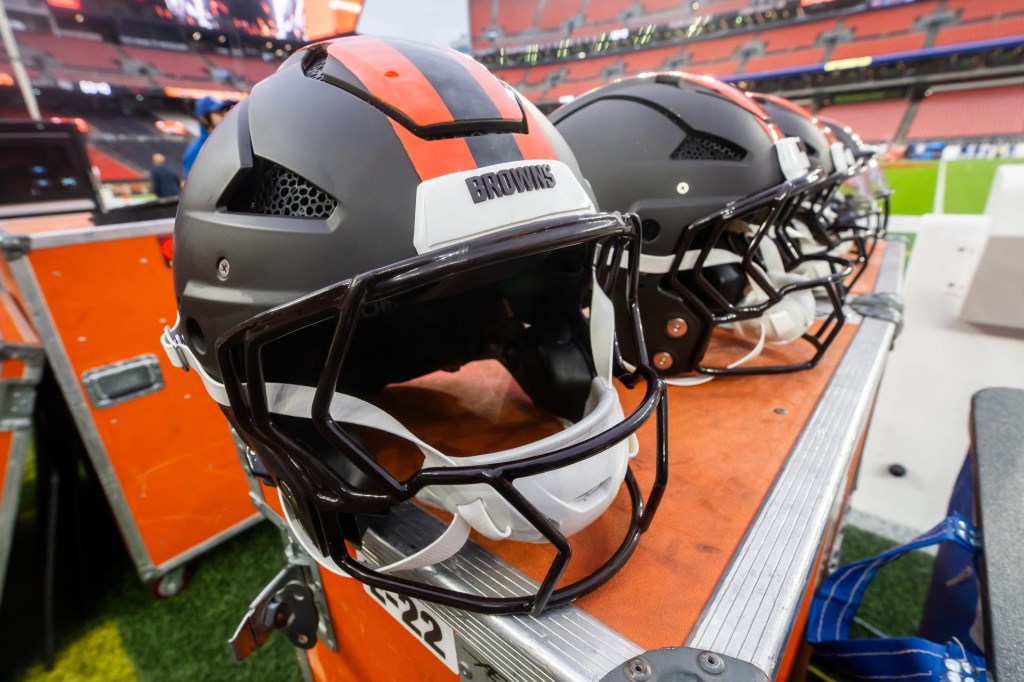
A group of Illinois political leaders is still pushing to keep the Bears in the city of Chicago as their critical stadium decision approaches.
It had assumed for months that the Bears’ chances of staying in the city were gone—particularly after they abandoned plans for a lakefront stadium last September, and then began discussions with Indiana officials that have since led to completed stadium legislation there.
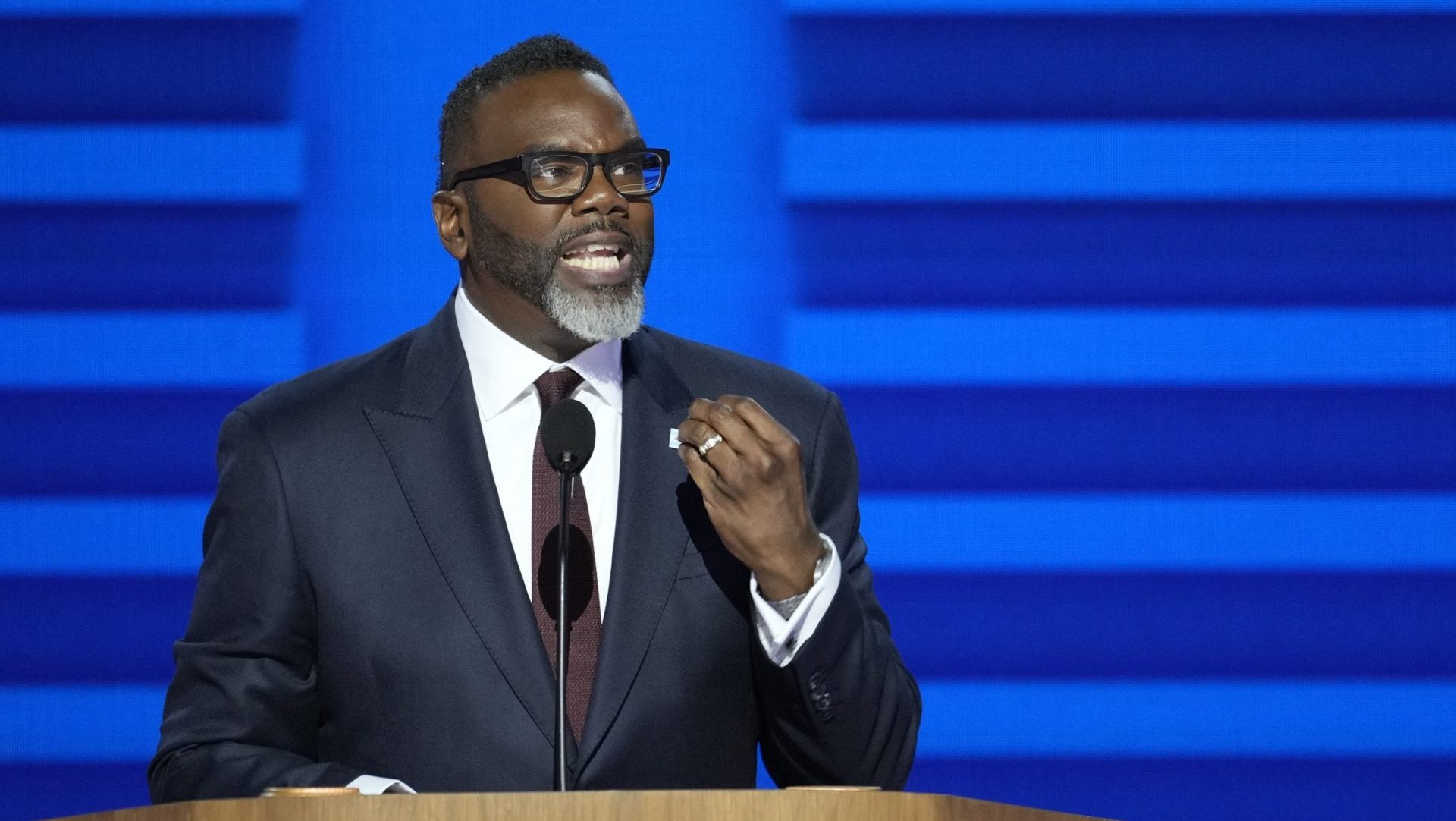
Despite that, Chicago Mayor Brandon Johnson and a group of state legislators believe the Bears’ days in the city are not necessarily numbered.
“We had an entire press conference, with a proposal on the lakefront two years ago,” Johnson said. “How do you have an entire proposal with the Bears, with the city of Chicago, with labor, with the notion that somehow the greatest, the most fruitful, economic, viable, prime real estate anywhere in the state, anywhere in the region, is somehow not suited for world affairs?”
Johnson continued that “Chicago won’t take a back seat” in the ongoing negotiations.
Political Realities
The answer to much of Johnson’s question, meanwhile, lies in fierce community opposition to the Bears’ prior lakefront proposal—including from many of the same activists that previously thwarted a museum plan for the same area from famed filmmaker George Lucas. The Bears’ issues there were then compounded by Illinois Gov. J.B. Pritzker, who resisted funding the project.
Even as Illinois state political leaders have since begun to show more receptiveness toward helping the Bears, there is no significant sign that the prior opposition to a lakefront stadium has lessened. The team also deemed other in-city site candidates not viable.
Along similar lines, Pritzker said last week, “there’s a common understanding by most of the General Assembly that they’re not going to be able to build in the city of Chicago.”
As a result, the Bears’ stadium choices are essentially where they’ve been in recent weeks: either Hammond, Ind., or on team-owned land in suburban Arlington Heights, Ill. The latter option rests heavily on the state passing legislation allowing the Bears to negotiate their own tax rates, something worth tens of millions of dollars. A House committee passed a bill to do that last week, moving it to the full chamber where it now awaits a broader vote.
The Bears, for their part, have remained noncommittal while the political jockeying continues. A final decision, however, could arrive in a matter of weeks.
“They’re now looking in Indiana as a place to actually bring that franchise,” Indiana Gov. Mike Braun said. “No news to report on it, but [we’re making] great headway. And the fact that they’re even considering coming to Hammond versus keeping it in their own state says a lot about what we’re trying to do to tell everyone that Indiana [is] open for business.”