Haslam Sports Group president Dave Jenkins knows that sustained success on the field has eluded the Cleveland Browns, but he’s confident in the patient process Jimmy and Dee Haslam have applied to their multiteam portfolio that includes the Milwaukee Bucks and Columbus Crew.
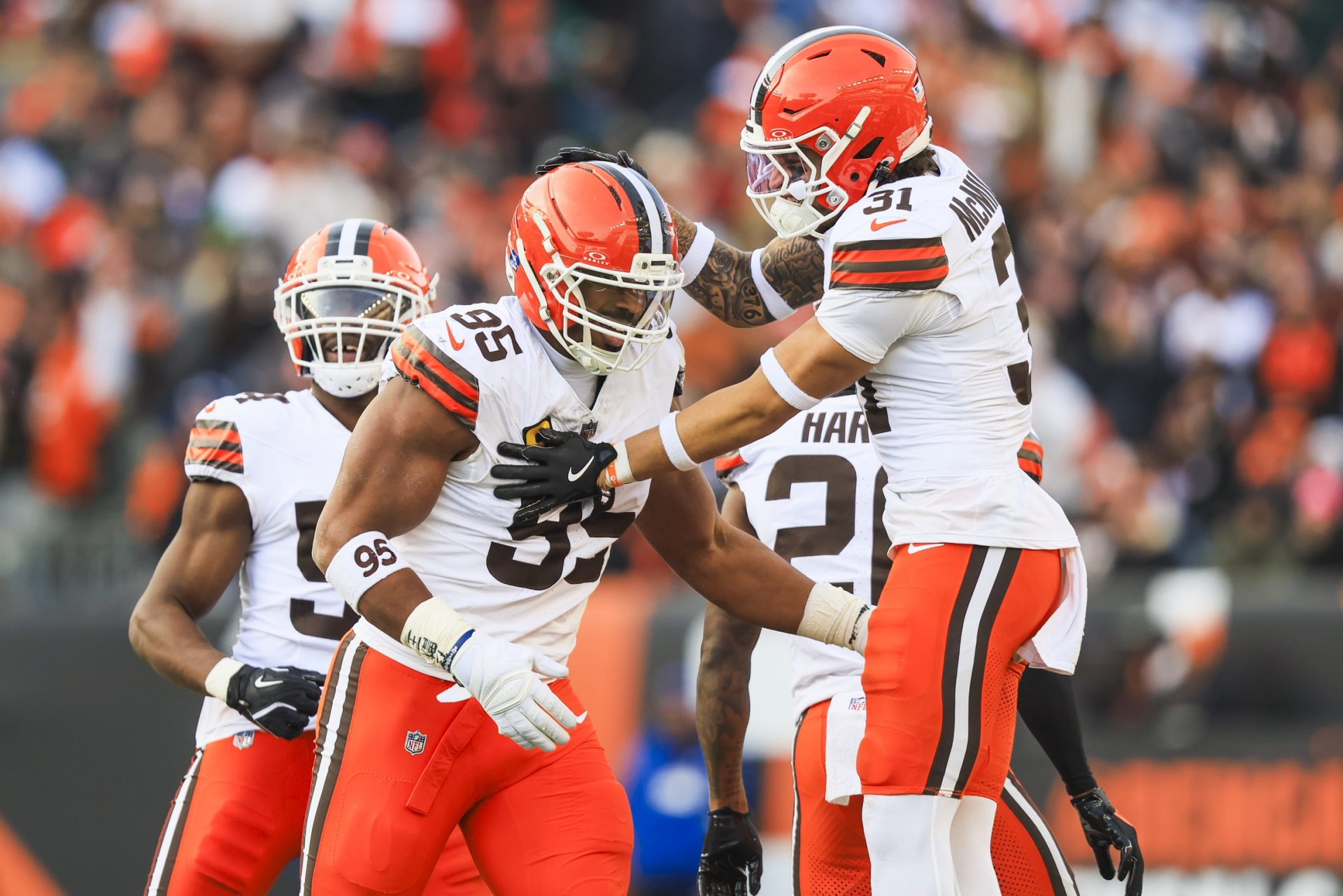
The Browns have missed the postseason in 12 of the 14 seasons since the Haslams purchased the franchise in 2012. Jenkins, who has served as president of the Browns for the last 22 years, helped the family launch Haslam Sports Group in 2020, after they bought the Crew.
The portfolio he oversees houses the NFL, NBA, and MLS teams, all of which are in “mid-tier markets,” where building long-term winners remains a real challenge, he told Front Office Sports on Radio Row ahead of Super Bowl LX.
“That presents challenges,” he said. “You’ve got to drive a business result and be competitive with other big cities.”
The pressure to build a winner, and the criticism that comes with failure, is most pronounced in the NFL, where every decision, from coaching hires to stadium plans, receives excess attention from media and fans.
Last month, after firing Kevin Stefanski, the Browns hired Todd Monken—the former offensive coordinator for the Ravens—as head coach. Other finalists for the job included defensive coordinator Jim Schwartz and Rams pass game coordinator Nate Scheelhaase.
Amid the coaching search, comments from Tom Pelissero of NFL Network on The Rich Eisen Show made waves. Pelissero told Eisen the team’s search process “is unlike any other in the NFL” in that it’s extremely data-driven. “You’re talking about taking a personality test. You’re talking about writing an essay. You’re talking about completing homework assignments going into both the first and the second rounds of interviews.”
Jenkins told Front Office Sports the Browns are “real easy to pick on right now” because the team has been unable to string together a “consistent run of success.”
“But like any business, any industry, the more data and information we can have accessible to inform our decision-making, we should be more successful,” he said.
He pushed back on the “essay” framing. “Asking someone what their football or offensive philosophy is isn’t quite the same as writing an essay,” Jenkins told FOS. “We’re going to do background checks. We’re going to talk to people. We’re going to explore references. We’re going to ask what the philosophies are before we make a decision.”
The franchise also faced criticism as it sought to move out of Cleveland—including from Jason and Travis Kelce—and fought resistance from the city, which sought to keep the Browns by citing Ohio’s Art Modell Law. That law, named for the late former owner of the Browns, was designed to keep pro teams playing in publicly supported facilities from moving. The Browns and Cleveland sued each other, but in the end the two sides reached a $100 million agreement enabling the team to move into a planned $2.4 billion domed stadium in Brook Park, Ohio. Their first kickoff in the new stadium is expected in 2029.
Part of the reason the Browns were so insistent on getting a new stadium built—rather than upgrading Huntington Bank Field in downtown Cleveland—was so they could bid on major events like Super Bowls, Final Fours, College Football Playoff games, MMA fights, and concerts.
“We were fortunate to find 176 acres just south of Cleveland, 10 miles from the heart of downtown,” he told FOS. “It’s going to drive activity like the city has never seen. So we’re super excited about the economic impact it’s going to create, the events we’re going to attract that have never considered coming to Ohio.”
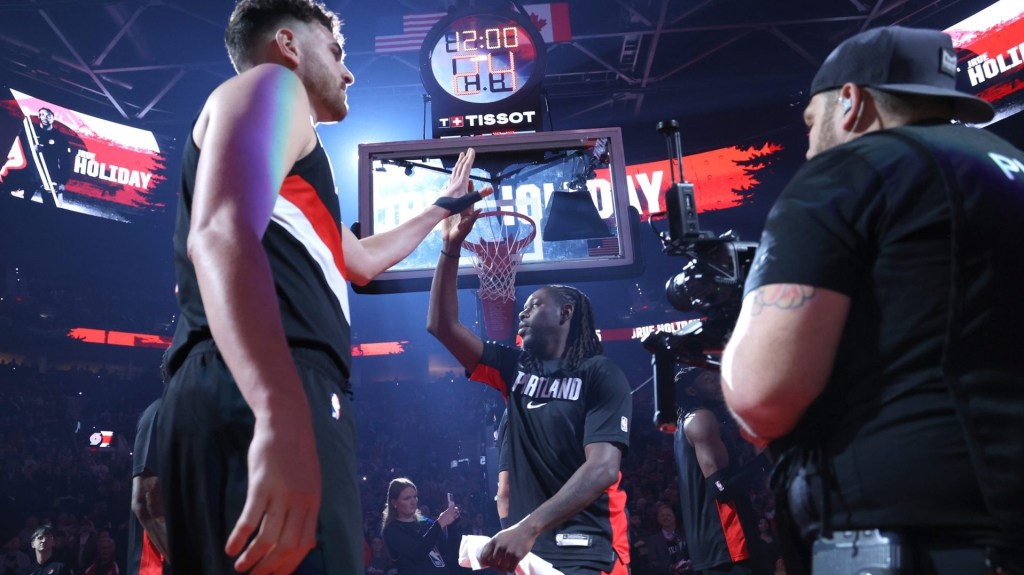
Jenkins takes the same long-term view of the Bucks, which at the NBA trade deadline chose to keep Giannis Antetokounmpo despite persistent rumors the longtime Bucks star was finally on the block. Antetokounmpo may still be traded this summer, a reality Jenkins is not shying away from. But the Bucks intend to deal him only if and when they find a trade that will help both sides moving forward.
“You’d hate to see someone like that go,” he told FOS. “But we’ve got to look at our roster long-term. How do we grow and fix it and get more competitive than we’ve been?”
The philosophy is clear—“we’re long-term holders in professional sports”—and Jenkins would advise others just getting into sports ownership to take the same approach.
Owning a sports team is “probably unlike any business you’ve ever run,” he said, “and the keys to success that may have worked for you somewhere else” might not work.
“You’ve got to find experts that know roster development, that know player development from a coaching perspective, and you’ve got to let them operate,” he told FOS. “The culture can come from the top of the organization—from the owner and the ethos of what you want to be—but you’ve got to find great people to build that roster, to coach that roster, to drive the end result.”