WASHINGTON — A bipartisan bill to create a new development path for boxing hopefuls is gathering additional steam after a hearing Thursday before a key House of Representatives committee—but concerns remain about the presence of major corporations in the sport.
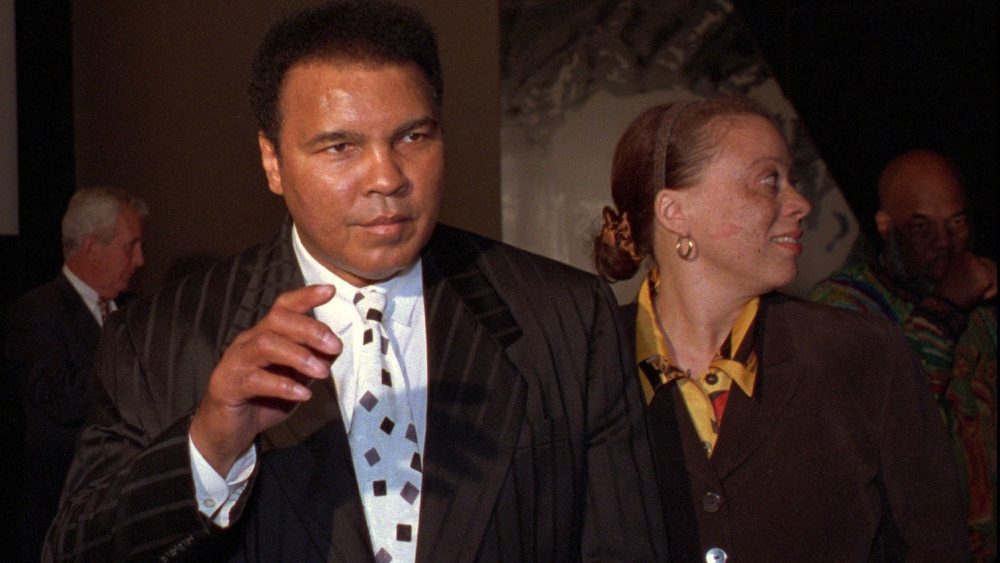
The House Committee on Education and the Workforce heard from the bill’s two lead sponsors, as well as a separate group of witnesses that included the widow of boxing legend Muhammad Ali and UFC executive Lawrence Epstein. The bill, named for Ali, would create unified boxing organizations (UBOs), parallel to existing sanctioning bodies, and it would also implement enhanced minimums for fighter pay and health standards.
After the legislation was introduced in July, it languished for several months, in part due to the recent U.S. federal government shutdown. The bill, however, is now likely to get a vote and plenty of support within the education committee.
“What was once a respected and unified sport has become fragmented—plagued by inconsistent standards, weak enforcement, and a troubling accountability,” said Rep. Ryan Mackenzie (R., Pa.), the committee chair, in his opening statement. “Too often, fighters are pushed into dangerous matches without proper medical oversight. The result is a system that too frequently exploits its athletes instead of protecting them. That must change.”
Earlier this week, former heavyweight champion Mike Tyson endorsed the legislation, as have the operators of a series of major arenas, including Madison Square Garden in New York, Crypto.com Arena in Los Angeles, and T-Mobile Arena in Las Vegas.
Not Done Yet
Despite the fast-rising support, though, worry persists among some members of the committee about what the bill might do to enhance corporate interests in boxing.
Zuffa Boxing, the new entity involving WWE and UFC parent company TKO Group Holdings and its partners, is a key backer of the legislation. If successful, Zuffa Boxing would operate in some respects similarly to UFC—where complaints persist about the power of parent company TKO Group Holdings, and UFC last year reached a $375 million settlement over long-running allegations of suppressing fighter pay.
“Unfortunately, there are sections of the Revival Act that raise serious questions about who will actually control the future of boxing,” said Rep. Ilhan Omar (D., Minn.). “It would remove guardrails that prevent individual promoters from controlling the industry and forcing boxers into contracts that do not benefit them. This legislation could also allow corporations to completely take over the sport, leaving boxers without the leverage or ability to advocate for themselves.”
Ali’s widow, Lonnie Ali, testified Tuesday and called the bill a strong continuation of her late husband’s extensive legacy.
“Given its enhanced protections for boxers, I believe Muhammad would be proud to have his name associated with this legislation,” she said.