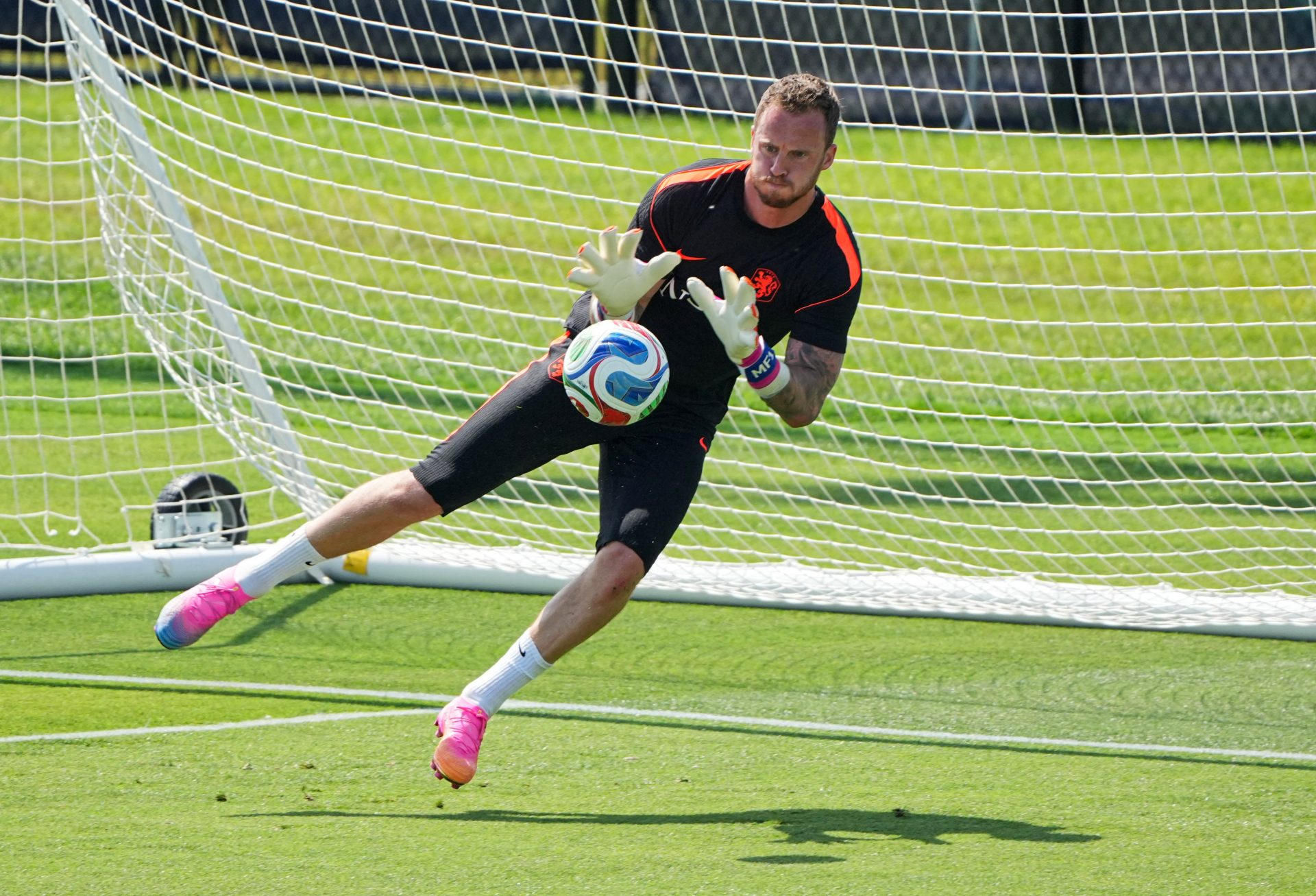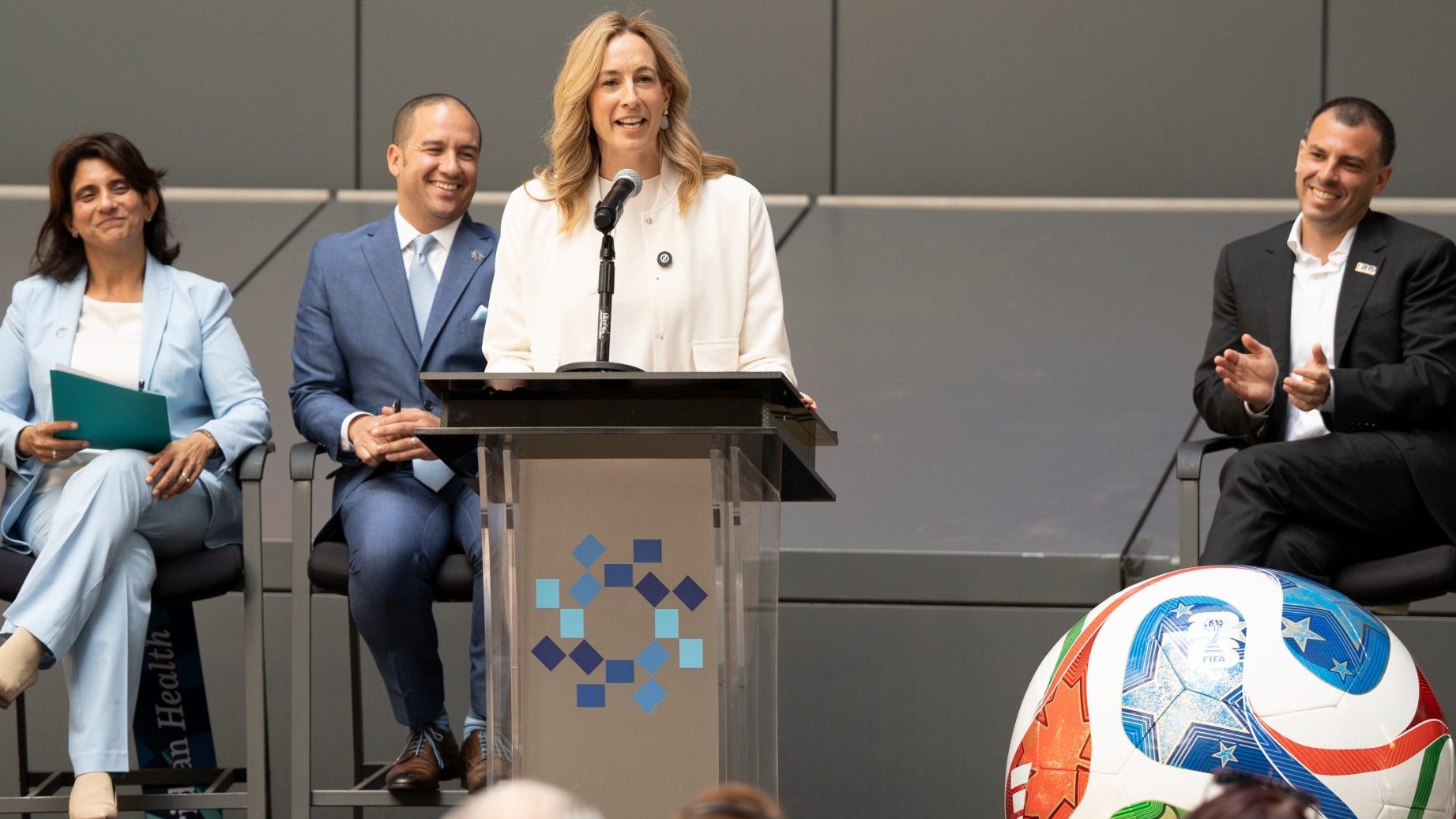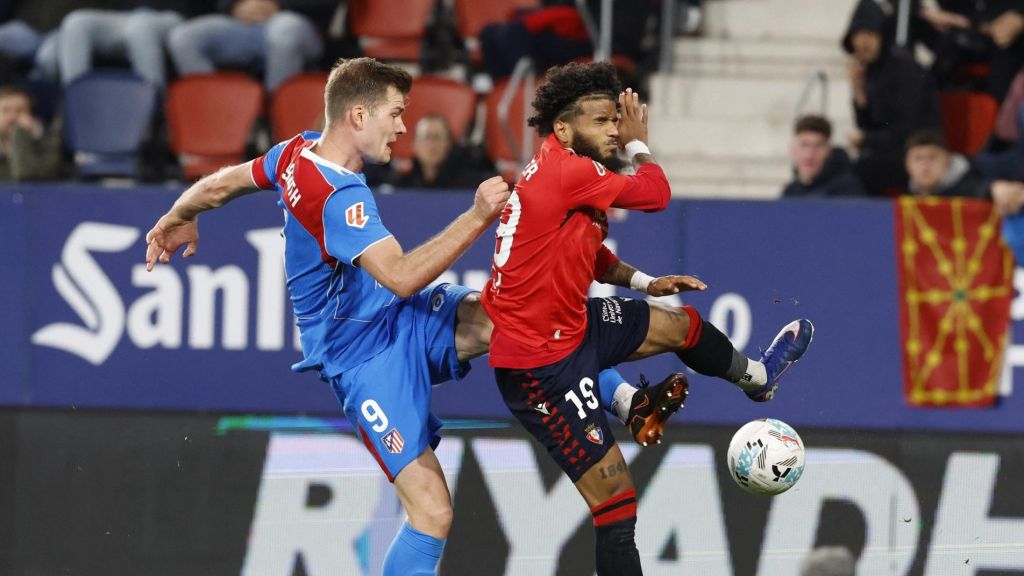

The 2026 World Cup has arrived.
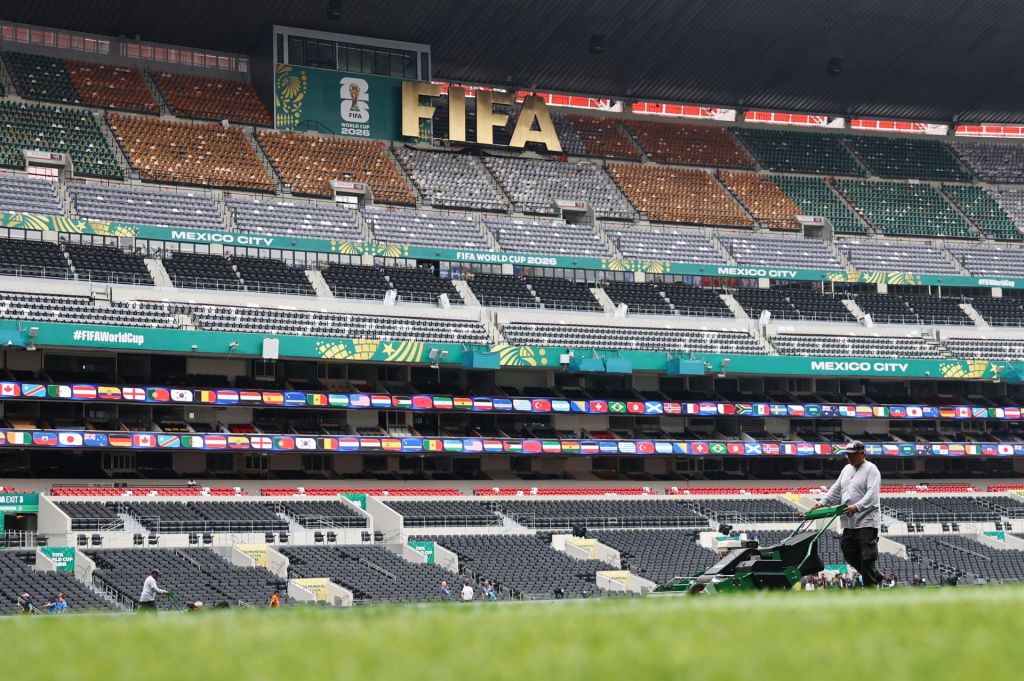
The record 104-match tournament kicks off Thursday with two games in Mexico. The opening match features Mexico and South Africa at Estadio Azteca in Mexico City, followed by South Korea and Czechia in Guadalajara.
The other two host nations, Canada and the U.S., will play their opening matches Friday. Canada will play Bosnia and Herzegovina in Toronto, and the U.S. will face Paraguay in Los Angeles, marking the tournament’s return to the country since it was last held here in 1994.
The first few weeks of the tournament are going to look and feel different from previous World Cups because the field expanded from 32 teams to a record 48. The change means more teams in the tournament, but it also will likely result in fewer games of consequence early on.
Four teams are making their World Cup debuts: Cape Verde, Curaçao, Jordan, and Uzbekistan. Others are back in the World Cup after a long hiatus: the Democratic Republic of the Congo and Haiti return for the first time since 1974; Iraq for the first time since 1986; Austria, Scotland, and Norway for the first time since 1998; and Turkey for the first time since 2002.
Tickets and Trump
FIFA established sky-high ticket prices at the start of the sales phase, and they have not dropped significantly in the buildup to kickoff. Some tickets have been made available at $60 for supporters, and FIFA is ramping up its cheap or free ticket giveaways through corporate sponsors.
The Trump Administration and FIFA have been remarkably close in the lead-up to the tournament. FIFA president Gianni Infantino has joined Donald Trump on state trips including the Gaza peace talks. FIFA opened an office in Trump Tower in New York and gave the U.S. president the inaugural FIFA Peace Prize. FIFA intervened when political infighting over funding for the Department of Homeland Security delayed $625 million in federal funding for host cities. This week, travel and visa issues have soured excitement for the tournament, most notably with Somali referee Omar Artan being turned away at the border after a lengthy interrogation.
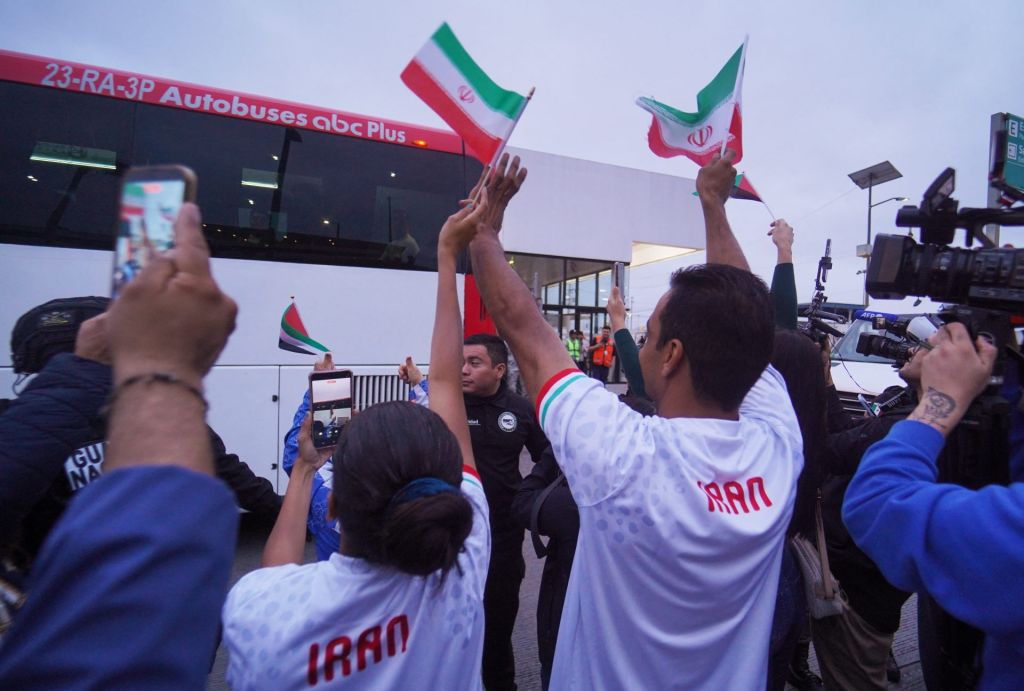
The U.S., along with Israel, attacked Iran on Feb. 28, just months before the country’s national team was scheduled to play the World Cup on U.S. soil. As the war persists, the back-and-forth has been tense: It was unclear whether Iran would play, FIFA said Iran should play, Trump said he couldn’t guarantee the team’s “life and safety.” Ultimately, FIFA denied Iran’s request to move matches to Mexico, Iran moved its base camp from Arizona to Tijuana, and the U.S. denied visas for more than a dozen Iranian staff members and federation officials.
Storylines We’re Following
The World Cup is certain—as always—to provide cultural crossovers that absolutely delight. The people of Lawrence, Kans., embracing the Algerian national team is an early example.
Here are some of the other storylines Front Office Sports has been covering in the lead-up to the tournament. We’ll be on-site for the USMNT kickoff in Los Angeles on Friday.
- Four elite high schools are serving as World Cup base camps
- High public transit prices in Boston and New Jersey
- The Ebola outbreak in the Democratic Republic of Congo
- How Philadelphia built a $140 million World Cup war chest
- FIFA will block the notorious glare at AT&T Stadium for at least one game
- A painter is suing FIFA for painting over his mural of whales in downtown Dallas
- Hotels in the U.S. are still struggling to fill up rooms
- It will be very hot as games begin this weekend
When the ball is kicked off Thursday afternoon, it will commence the biggest sporting event in history: 16 host cities, 48 teams, and 104 matches over 39 days.
Buckle up.