The NFL is used to getting its way when it comes to media-rights negotiations. But sports media executives like John Skipper are sounding the alarm that the league could “kill the golden goose” when it comes to its broadcast partners.
As the industry knows full well, the NFL wants to opt out early from its $111 billion, 11-year deals with CBS, NBC, Fox, ESPN, and Amazon Prime Video, which were signed in 2021. The league is seeking increases of roughly 50% or more from media partners. The talks have already started with CBS Sports, which could see its annual payout rise to more than $3 billion a year from the current $2.1 billion for its Sunday afternoon game package.
Yes, the NFL believes its rights are undervalued. Yes, legacy broadcast networks should kiss Commissioner Roger Goodell’s ring to ensure their futures at a time when scripted Hollywood dramas, sitcoms, and reality TV shows are falling by the wayside.
But Skipper, the former president of ESPN, is raising eyebrows by warning that the NFL is getting too greedy. In the future, only the tech giants will be able to afford $4 billion to $5 billion media deals, he warns. By playing hardball with legacy media partners like Fox Corp., Goodell’s league could price them right out of the football business.
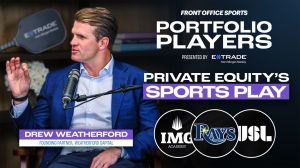
“Roger is in the process of increasing the prices, potentially, to where nobody can afford to buy NFL packages, except Amazon, Netflix, YouTube, etc.,” Skipper told Pablo Torre and David Samson on Pablo Torre Finds Out. “CBS already has the most problems. But they’ve already been to them. And they’re in a position where they can’t give up the NFL. So they’re going to pay and set the market at some 35% to 50% increase over the recently negotiated deals.”
Be careful what you wish for, according to Skipper. If legacy media companies can’t afford the NFL, that would leave the bulk of The Shield’s media rights in the hands of global tech giants like Amazon Prime Video, Netflix, YouTube and, possibly, Apple.
In high-level media-rights negotiations, winning and losing come down to need, finances, and leverage. The legacy media companies and streamers are coming into the talks from two different strategic directions.
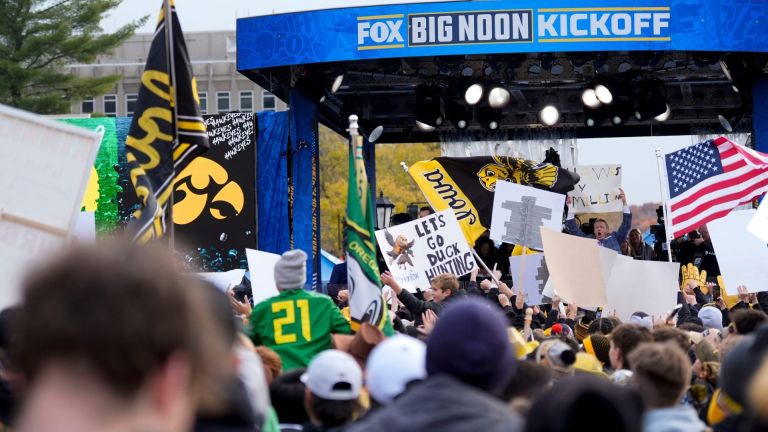
For broadcasters like Fox, these are existential rights. If Fox can’t keep the NFL, it won’t matter. And Rupert Murdoch knows it. Then there’s size and financial might. Fox’s market capitalization of $25 billion pales in comparison to Amazon’s $2.85 trillion. That means the NFL has all the negotiating leverage. No wonder Murdoch is appealing to President Donald Trump to help “little guys” like Fox.
But what happens when leverage flips the other way? Tech giants like Netflix, Amazon, and Apple don’t have to have the NFL to survive. They could walk away from the table if the prices get too high. That gives them leverage. Especially if the legacy bidders are financial non-factors. As Skipper learned the hard way at ESPN, these trillion-dollar tech giants can be brutal negotiators. If Goodell doesn’t know it yet, his successor will find out in a hurry. The NFL is “tempting fate” by playing legacy media partners off streamers, according to Skipper.
“The next Commissioner is going to deal with the fact that these big tech companies have more leverage over you–and they don’t need your product as much as the traditional broadcasters do,” the Meadowlark Media co-founder said. “The NFL is at this position right now because these traditional media companies cannot exist without an NFL package. If the delta gets to be billions of dollars, they will have to decide to exist without it. They’ll decline faster. Cable TV will decline faster. And the only people who will be able to afford the NFL’s packages will be great, big, trillion dollar market cap companies. But they are also tough, mean companies.”
Of course, this is still theoretical. The legacy broadcasters are more likely to surrender expensive sports rights before letting vital NFL game rights slip from their cold, dying fingers, wrote ex-Fox executive Bob Thompson on X/Twitter.
It’s in the NFL’s interest to keep struggling legacy partners alive for more reasons than one. It gives the league more bidders for a limited inventory. Keeping a high percentage of games on free, over-the-air television should help keep critics like FCC chairman Brendan Carr at bay. Don’t forget, the league now owns 10% of Disney’s ESPN. It also holds an equity stake in CBS following Skydance Media’s acquisition of Paramount Global, the network’s parent company. So the NFL has a bottom-line financial interest in keeping some of its legacy partners afloat.
But that would be little consolation to partners like Murdoch’s Fox, which finds itself in the unusual situation of being the “little guy” in today’s negotiations.
Murdoch put an upstart Fox on the map by swiping the NFL’s NFC TV package from longtime partner CBS in 1993. The legendary mogul knows all too well that leagues have no loyalty to anything except their bottom line.
Murdoch is obviously hoping history doesn’t repeat itself—with Fox playing the role of a sad suitor being jilted at the altar.