The NFL has been skeptical of prediction markets this year despite the industry’s meteoric rise, but it isn’t counting out prediction-market moves in the future.
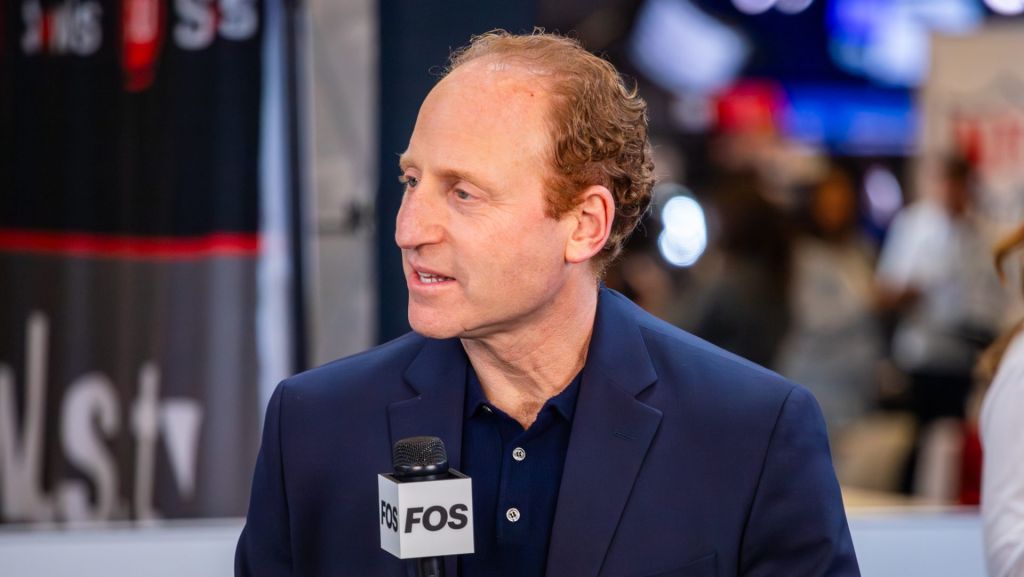
Although the league still isn’t ready to dive in headfirst, NFL EVP Jeff Miller told Front Office Sports on Radio Row ahead of Super Bowl LX in San Francisco that it’s paying close attention to prediction markets, even as major regulatory questions remain unresolved.
“It’s innovative, that marketplace is dynamic,” Miller said. “We’re not quite sure what regulation is gonna look like.”
Regulation isn’t the only factor the NFL is considering as it watches the evolving marketplace, Miller said. “It isn’t just about anticipating the worst. It is a fan engagement tool, there’s no question around that, and that’s been good for the league.”
“There’s no question that we’re going to be spending a lot of time talking about this in the coming months, and maybe even years,” he said. “But our principles are going to remain the same.”
Miller’s comments reflect a more measured tone than the league has previously struck. In December, Miller issued written testimony to the House Committee on Agriculture expressing “concerns regarding the potential impact of sports-related events contracts on the integrity of our games.”
At the time, Miller said the league was “particularly troubled that several sports-related futures contracts have been launched nationwide, including in jurisdictions where sports betting has not been legalized. He also noted the NFL was concerned about a lack of “safeguards” that regulated sports betting has, including “information-sharing requirements, integrity monitoring, prohibitions on easily manipulated markets, official league data requirements, know-your-customer protocols, and problem gambling resources.”
Miller’s written testimony came on the heels of comments made by NFL commissioner Roger Goodell earlier in December. Speaking at the investor day of Genius Sports, an NFL betting data partner, Goodell said “that’s not something we’re about to enter into,” because of a lack of regulatory framework. The league has also prohibited any prediction-market Super Bowl commercials this year.
While Miller’s comments appear to thaw some of the ice that has been building up between the NFL and prediction-market players, the league is making clear it hasn’t abandoned its concerns. Miller told FOS the league is proceeding similarly to how it handled legalized sports betting in the wake of the 2018 U.S. Supreme Court decision that struck down the Professional and Amateur Sports Protection Act (PASPA), which had effectively prohibited sports betting outside Nevada and a handful of states with sports lotteries.
“We were the last in with partners,” Miller told FOS. “We wanted to make sure we understood what the marketplace was. We wanted to make sure what the pros were and the cons.”
Today, the NFL has major sports betting partners, including DraftKings and FanDuel. “The standard is going to be the same that we set with our current legalized sports betting partners,” Miller said, alluding to a regulatory framework the NFL views is in place with legalized sports betting that protects consumers and maintains the integrity of the game.
“The same thing will have to happen if the Polymarkets and Kalshis of the world end up continuing on this trajectory to become a regulated business,” Miller told FOS. “We’ll have to figure out how to do that.”
The NBA and MLB have also not yet embraced prediction markets, but the NHL, MLS, and UFC have. Miller made clear there are no imminent plans to partner with prediction-market platforms, but the league may eventually engage.
“We’re interested, of course, in watching the marketplace move,” he told FOS. “But we’re also going to be cautious.”