Want more from Front Office Sports
in your search results?
Three years after getting picked apart and left for dead in a vicious round of conference realignment, the Pac-12 is back from the ashes.
In 2026, the conference will add seven schools (including six full-time FBS football-playing members) and commence a media package with three networks. It will maintain its status as an FBS football league with continued access to the lucrative College Football Playoff (though it won’t be treated as a power conference in the new revenue distribution system), and access to NCAA men’s and women’s basketball tournament automatic bids.
Most importantly, the Pac-12 name will live on, though the conference will have nine member schools, eight of them football members. (What’s in a conference name anymore, anyway? The Big-12 has 16 schools; the Big Ten has 18.)
It’s a remarkable resurrection for the conference left for dead two football seasons ago.
The Collapse of the Old Pac-12
It was the summer of 2023, and former Pac-12 commissioner George Kliavkoff was on the clock.
The Pac-12’s media-rights deal—which was the least valuable of all five power conferences—was up in 2024, and it was Kliavkoff’s job to bring the Pac-12 university presidents and chancellors a lucrative offer. The conference had already learned it would lose USC and UCLA to the Big Ten in 2024. But Kliavkoff still had to deliver an offer good enough to keep the rest of the conference from jumping ship.
Kliavkoff’s offer—a possible deal with Apple TV—failed to do that. In one day, the league lost Oregon and Washington to the Big Ten (a move bankrolled by Big Ten media rights partner Fox), and Utah, Arizona, and Arizona State to the Big 12. Colorado had announced a few weeks before the media deal that it would join the Big 12 as well.
One month later, Stanford and Cal announced they would join the ACC.
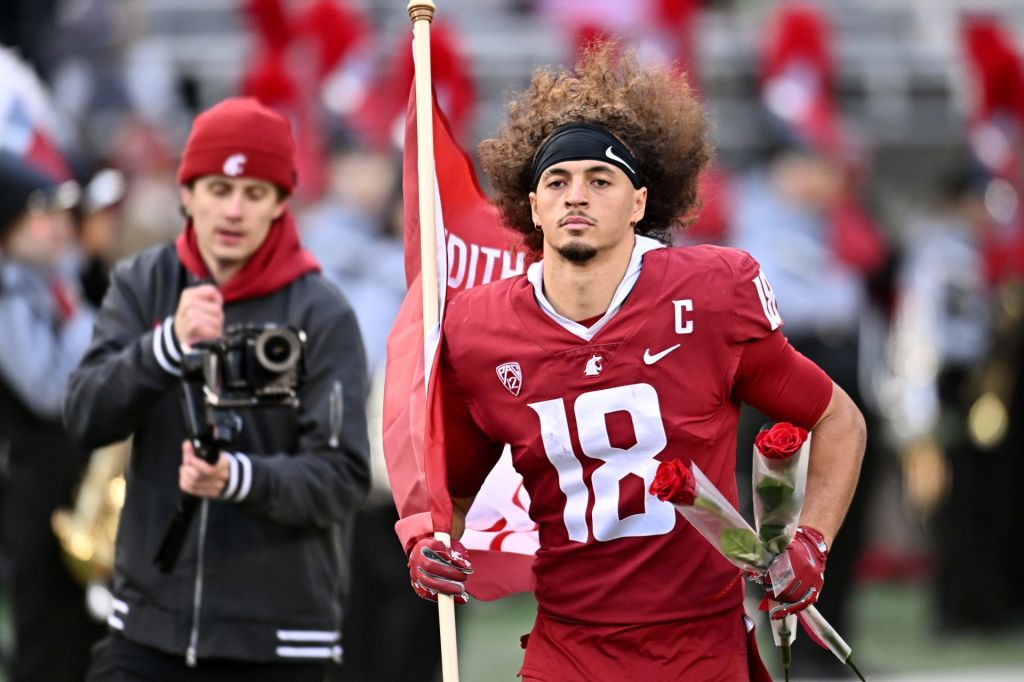
The league was left with just two members, Oregon State and Washington State—and considered all but dead.
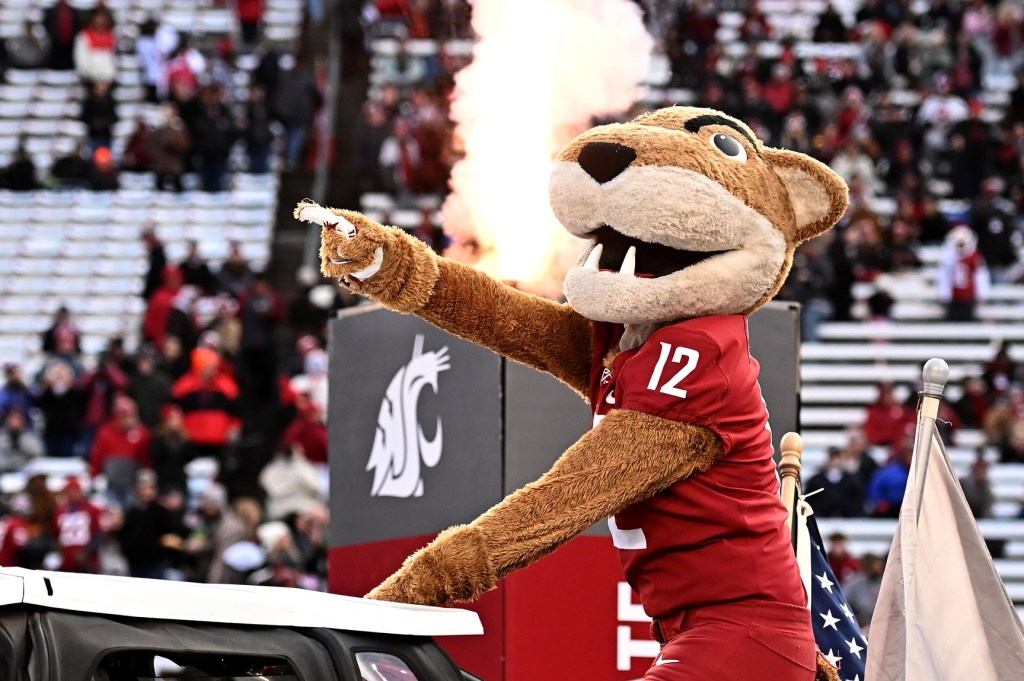
But those two schools refused to give up on the 100-year-old conference.
The Resurrection
The first move the presidents at Oregon State and Washington State made to save the conference was to file a lawsuit, suing the Pac-12 conference office to ensure they could retain the intellectual property rights and league assets—including a state-of-the-art Pac-12 Networks production facility in San Ramon, Calif., as well as require all departing schools to pay them hefty exit fees. As part of a settlement, they ended up winning control of conference rights and secured a war chest of about $100 million.
They then signed a one-year scheduling agreement with the Mountain West for football, and an affiliate league agreement with the West Coast Conference for Olympic sports. They got rid of Kliavkoff and replaced him with Pac-12 administrator Teresa Gould. They inked a football media rights agreement with The CW, and added CBS and ESPN as interim partners this past year. And they began plotting for the conference’s comeback.
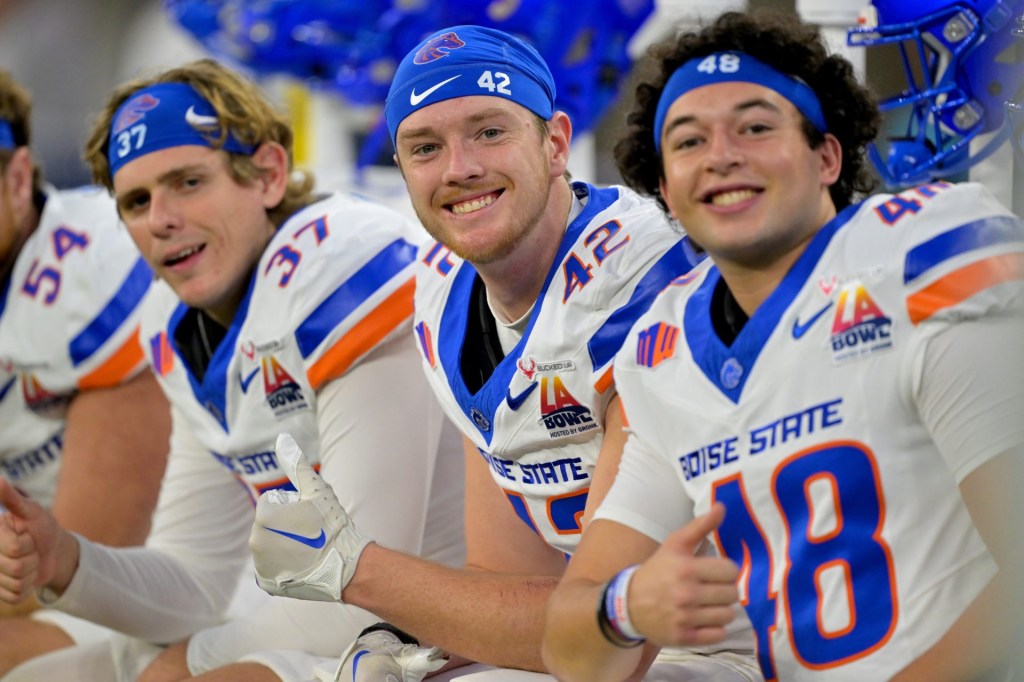
In the fall of 2024, the league made an aggressive move: The Pac-12 poached five Mountain West schools: Utah State, Colorado State, Fresno State, Boise State, and San Diego State, all of whom will join the conference in the summer of 2026. It later landed Gonzaga, and then Texas State this past summer.
That’s eight full FBS football-playing members, the NCAA requirement to maintain FBS eligibility—as well as a basketball powerhouse in Gonzaga (non-football). In the process, it also made a powerful enemy in the Mountain West; the conferences are currently embroiled in litigation regarding poaching penalties stipulated by the Mountain West’s scheduling partnership.
In 2025, the league’s main focus was to put together a new media rights package.
The league first announced a five-year extension of its interim partnership with CBS as its “anchor” media rights partner, putting marquee football and basketball games on CBS and Paramount+. Then, it extended its agreement with The CW; finally, it added Versant’s new USA Sports to the portfolio last month.
The conference has yet to disclose the value of the package in aggregate, though it’s not expected to come near those of the Power 4. Many of these games will be produced by Pac-12 Enterprises, the new league-owned production arm. (Pac-12 Enterprises is also set up to be contracted to other local teams and leagues in college and the pros; all revenue from that venture will be shared by the league.)
As the college sports landscape becomes even more chaotic in 2026, the Pac-12 has scored one win already: just staying alive.
Download the FOS App
The business of sports, in your pocket.



Scan the QR code to get the app now.