Want more from Front Office Sports
in your search results?
Earlier this year, the state of Illinois made sports betting more expensive for consumers with a new tax on individual wagers. Now, Chicago is allegedly trying to squeeze major sports betting operators out of the city with a burdensome licensing requirement.
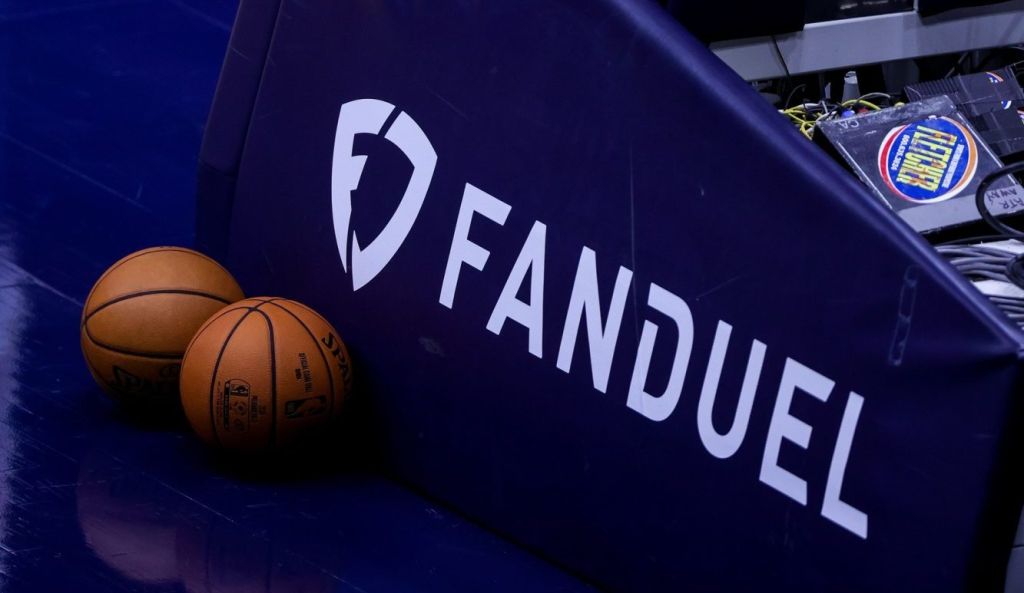
The Sports Betting Alliance—which includes DraftKings, FanDuel, Fanatics, Bet365, and BetMGM—sued the city of Chicago, its department of finance, and two city officials on Tuesday in Cook County. The complaint claims a last-minute budget change requiring sportsbooks to obtain licenses—even for online betting—could push them out of the city. The suit was first reported by The Closing Line Substack author Dustin Gouker.
According to the lawsuit, on Dec. 20, the city “hastily” added new language to the upcoming budget that requires sports betting operators to pay “substantial licensing fees.” The suit also takes aim at a 10.25% municipal tax on net income from all sports bets placed “within city limits.” That tax was previously included in the proposed budget. The licensing fees are new.
On Wednesday, the day before the budget was set to go into effect Jan. 1, the city handed out last minute licenses enabling sportsbooks to keep current operations running for now. The SBA praised that move and withdrew a motion for a temporary restraining order against the city, although the lawsuit still stands. According to the lawsuit, the Sports Wagering Act—the law passed in 2019 that legalized sports betting in Illinois—does not give cities like Chicago the right to require local licenses like this or to impose taxes of their own on sports betting.
“The City adopted this novel municipal licensing fee and income-based tax on online sports wagering in Illinois without constitutional or statutory authority to do so,” the suit says.
The suit says that sportsbooks in Illinois are already subject to “one of the highest tax burdens on legal sports wagering in the country.”
Because the city has not issued any licenses and the budget is about to go into effect, the sportsbooks say they will be unable to continue operating in Chicago while remaining compliant with the laws.
“They would thus be faced with an impossible choice: operate without a City license or cease online sports book operations entirely within the City,” the suit says.
The follow-on effects would also be damaging, according to the suit. Bettors would flock to the illegal sports betting market, which is untaxed—meaning Illinois and Chicago would be deprived of “significant revenues.”
The consequences for any sportsbook that chooses to stay in Chicago as an unlicensed operator could also be significant. “An alleged violation of one jurisdiction’s laws could put SBA members’ compliance with requirements in the numerous states where the members have gaming licenses at risk,” the suit says.
The SBA is seeking a ruling declaring the new licensing requirements and 10.25% municipal tax as unlawful, among other relief.
The suit also rips the new taxes on individual sports bets that were imposed earlier this year after passing in the middle of the night on a Saturday. That tax is 25 cents for every bet for a licensee’s first 20 million bets, and 50 cents per bet thereafter. In Tuesday’s suit, the SBA said “several” sportsbooks have “either passed the costs of these per-wager taxes through to their customers or imposed minimum betting limits, resulting in a year-over-year decrease in the number of legal sports wagers placed online in the State.”
Representatives for the city of Chicago did not immediately respond to requests for comment.