Global investment giant KKR is in talks to acquire a majority stake in Arctos Partners, the firm with minority stakes in roughly 20 pro sports franchises, including MLB, NBA, NHL, and NFL teams. On the surface, this deal would be stunning—but there are clear motivations for both sides.
On Friday, the Financial Times first reported that KKR and Arctos are in “advanced” discussions about a deal that could see the former become majority owner of the latter. A private-equity industry source confirmed to Front Office Sports that the two sides have been in talks since at least October. A representative for KKR declined to comment, and representatives for Arctos did not respond to requests for comment.
Why Arctos Is Open to a Sale
The ascendance of Arctos in the sports world has been sudden and sharp. A decade ago, the firm didn’t even exist; today, it has one of the most robust sports-focused portfolios in the industry.
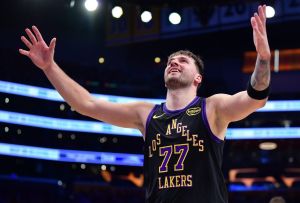
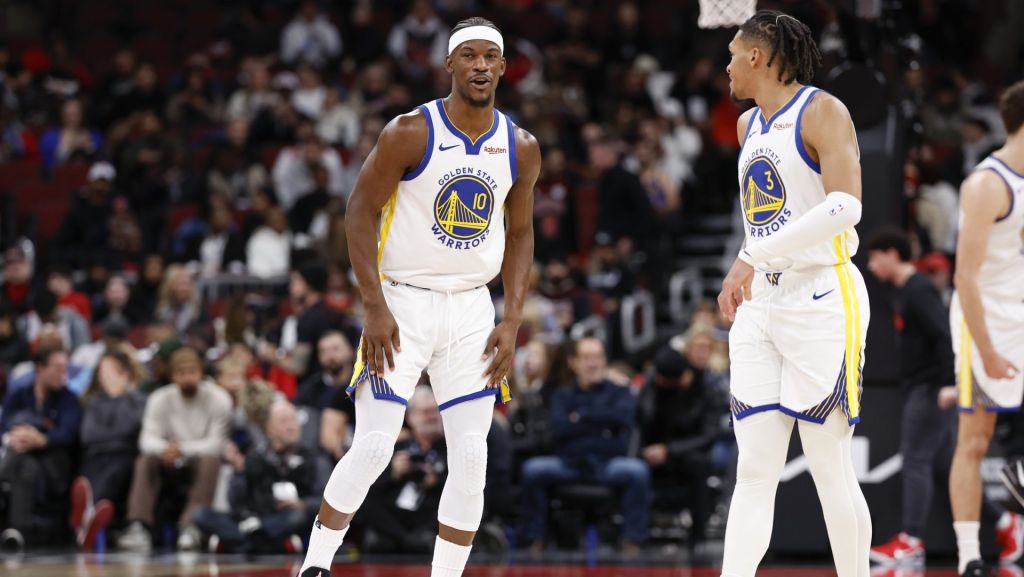
Arctos owns minority stakes in the NBA’s Warriors, Jazz, and Kings; the NFL’s Chargers and Bills; the NHL’s Lightning, Mammoth, Wild, Penguins, and Devils (through an investment in Harris Blitzer Sports & Entertainment); and MLB’s Giants, Astros, Padres, Dodgers, and Red Sox (through an investment in Fenway Sports Group). It also owns stakes in the Professional Lacrosse League, college sports-focused firm Elevate, and soccer teams like Liverpool (through the Fenway Sports Group investment) and Paris Saint-Germain.
Why let someone else take control of this portfolio? When Ian Charles and Doc O’Connor formed Arctos in 2019, Charles was still bound by a five-year noncompete from his prior firm, Landmark Partners—which buys stakes in other investment funds—but the agreement did not cover sports, multiple sources familiar with the matter tell FOS.
“Working around the noncompete, sports was the opportunity,” one source says. “Charles and Doc teamed up and went to work.”
Now, Charles is free from the noncompete, and sources say O’Connor is moving toward a new phase of his career that includes spending much of his time living in Jackson Hole, Wyo.
The sports business is prestigious, but also hard to monetize, sources say, because the pro team stakes Arctos owns are passive financial investments, and each league has rules around when, and how, minority owners can sell. The combination of limited control, regulatory constraints, and a small pool of potential buyers makes liquidity challenging, even for a well-capitalized firm.
“There’s no real strategy for selling these minority stakes,” one legal industry source tells FOS.
The idea of a possible deal is further bolstered by the fact that KKR isn’t the first firm linked to Arctos this year. In May, Bloomberg reported that Sweden-based EQT was weighing multiple options with regard to Arctos, including a strategic investment. Now, however, KKR is considered the likelier partner.
“The KKR-Arctos news doesn’t surprise me,” says a source who works in wealth management. “KKR is large enough to make that happen.”
Why KKR Is Looking to Buy
KKR is indeed large—the firm has $222 billion in private-equity assets under management. But its sports footprint is relatively small: Investments have included sports betting giant FanDuel, cheerleading company Varsity Brands, and high school sports media and technology company PlayOn.
Meanwhile, peers like Apollo Global Management and CVC Capital Partners have recently made waves with the formation of dedicated sports divisions. What better way to gain a foothold than taking control of Arctos?
“I know KKR wants to do more in sports,” says another legal industry source.
That said, it might not be all about sports. KKR’s existing portfolio is vast, and includes companies like DoorDash, Fortnite maker Epic Games, and Simon & Schuster. It also invests in areas like private credit, infrastructure, and real estate.
In addition to sports, Arctos invests in what are called secondaries and real assets—the first involves a firm buying existing interests in another PE fund, and the second is focused on assets like real estate and infrastructure.
Secondaries in particular have been a growing part of the private-equity playbook for years, in part because they allow existing limited partners to exit early while giving buyers the opportunity to invest in assets overseen by fund managers with a proven track record. KKR doesn’t have a dedicated secondaries business, so just like sports, a deal for Arctos would immediately make it a major player there, too.
Why a Deal Could Be Complicated
Private-equity firms buying one another is not unheard of, and while it has historically been somewhat uncommon, consolidation has been on the rise in recent years, according to a July report from Ernst & Young.
These deals are particularly challenging because buyers typically inherit a complex web of compliance obligations and fund-level fiduciary duties, while also needing to retain key investment professionals who were instrumental in building the portfolio being acquired, sources tell FOS.
Plus, a deal between KKR and Arctos would require sign-off from all the leagues in which Arctos holds minority stakes in teams. That’s not an insurmountable obstacle, but it’s also not guaranteed—for example, KKR is not one of the NFL-approved private-equity firms.
“That’s not a minor undertaking,” a third legal industry source says. “Such a deal would take quite a bit of time to put together and get closed.”









![[Subscription Customers Only] Jul 13, 2025; East Rutherford, New Jersey, USA; Chelsea FC midfielder Cole Palmer (10) celebrates winning the final of the 2025 FIFA Club World Cup at MetLife Stadium](https://frontofficesports.com/wp-content/uploads/2026/02/USATSI_26636703-scaled-e1770932227605.jpg?quality=80&w=300)