Tuesday marks 100 days from kickoff of the 2026 FIFA men’s World Cup hosted by the U.S., Mexico, and Canada.
The biggest storylines, though, are around global and local politics—not the actual soccer on the pitch.
The joint attacks on tournament participant Iran by the U.S. and Israel on Saturday have dominated World Cup conversations in recent days. Meanwhile, U.S. cities are still waiting on hundreds of millions of dollars in federal funding for security costs that are currently frozen in a partial government shutdown.
One hundred days from kickoff, here are the seven biggest questions about the World Cup that still need to be answered:
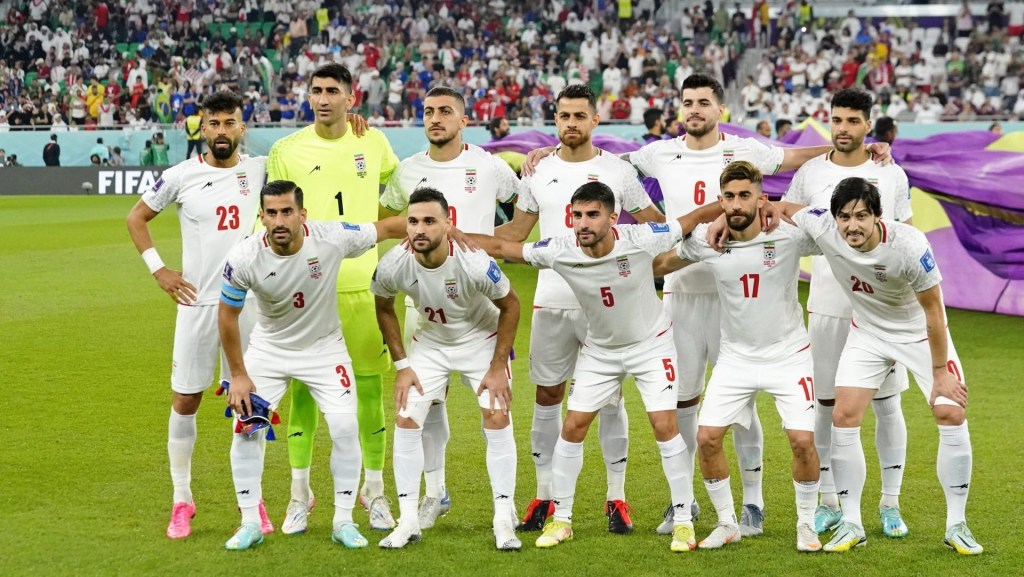
How will the U.S.-Israel attacks on Iran impact the World Cup?
Iran has not officially pulled out of the World Cup, nor have FIFA or the U.S. banned it from participating. But its participation looks increasingly unlikely. Trump said Tuesday he didn’t care whether Iran played, and Iran didn’t send any staff to a FIFA workshop in Atlanta for member federations. The president of the Iranian soccer federation, Mehdi Taj, has said that “we cannot be expected to look forward to the World Cup with hope.”
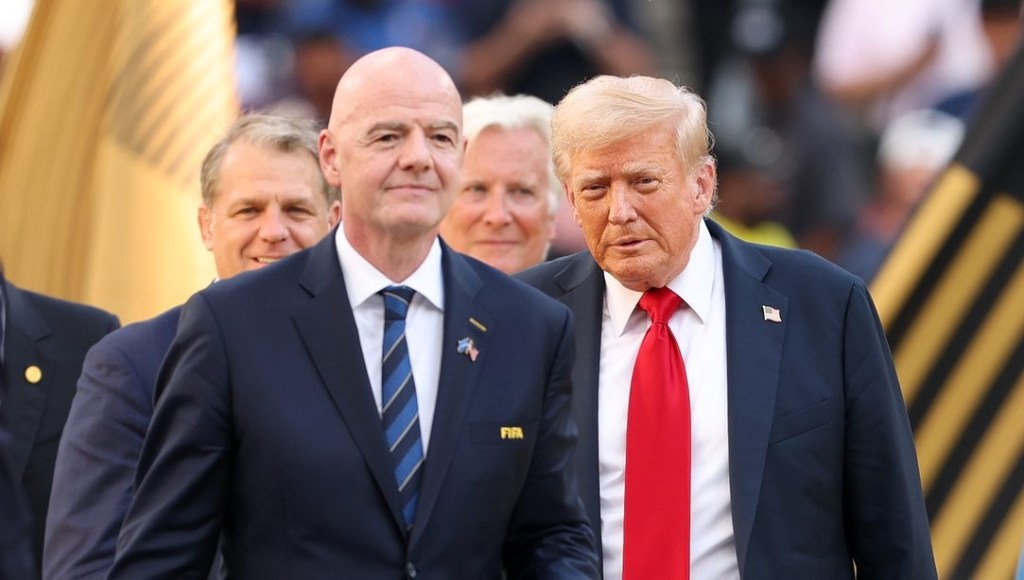
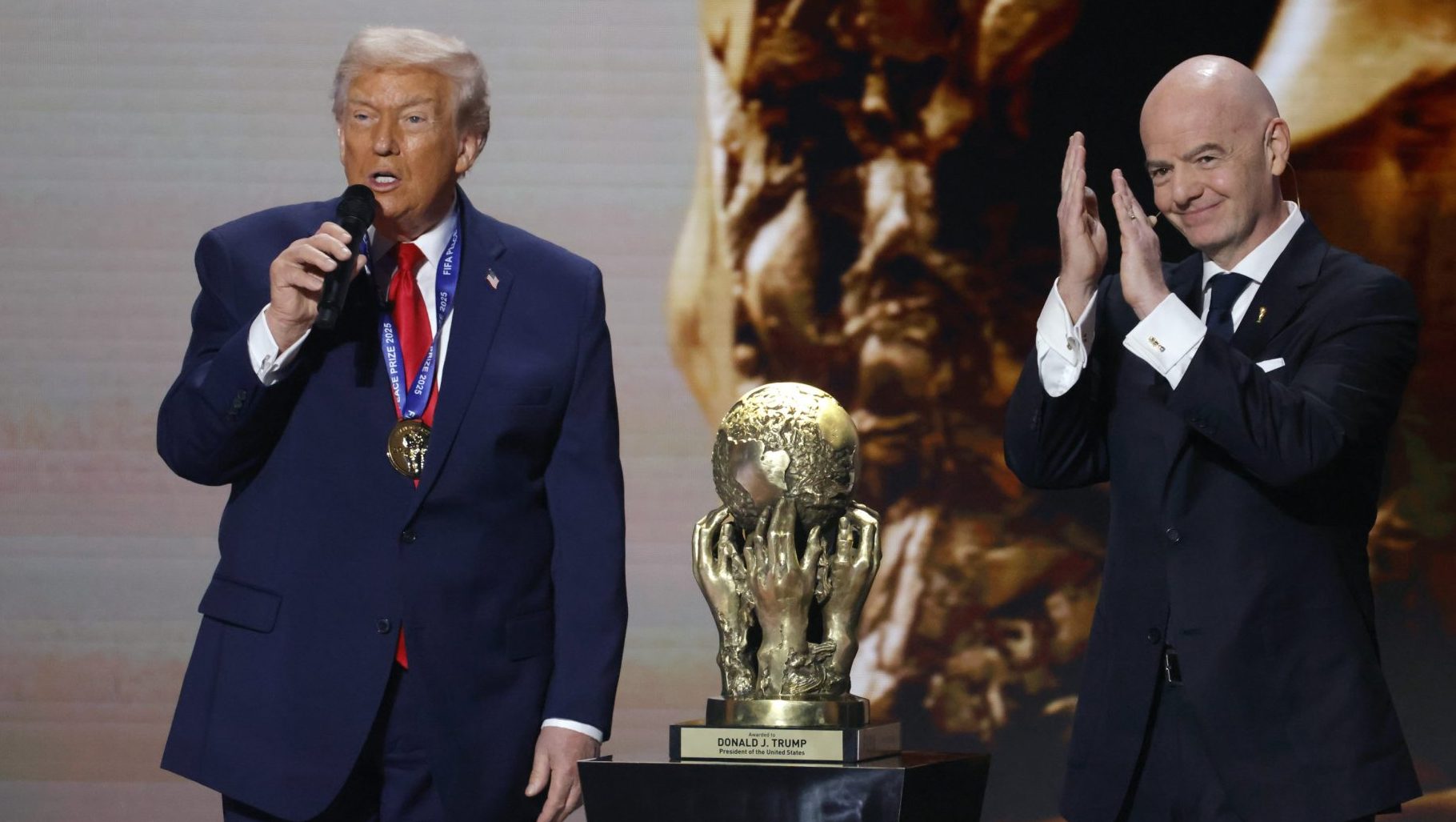
FIFA is contending with the fallout from a World Cup host nation—the president of which it recently awarded its inaugural Peace Prize—attacking a tournament participant just months out from kickoff, putting the global governing body that prefers to stay politically neutral in a difficult situation.
When will federal security funding come through?
U.S. President Donald Trump’s One Big Beautiful Bill Act earmarked $625 million for host cities’ security last summer, followed by an extra $250 million in December to police drones at the World Cup and America250 events. That funding was supposed to arrive by late January, according to the Department of Homeland Security’s own timeline, but the money wasn’t paid out by then. Now it’s being held up by the partial government shutdown over immigration enforcement.
Host cities are antsy. Raymond Martinez, the COO of the Miami host committee, said before the House Homeland Security Committee last week that “within the next 30 days is the drop-dead date” for receiving the funding, particularly to pull off the Fan Fest plans. Kansas City deputy police chief Joseph Mabin told the committee the funding is “critical” for hiring enough staff.
What’s going on with Fan Fests?
As time goes on without federal funding assurances, it’s possible more host cities will cut back on announced festivities, or continue keeping plans vague for as long as possible.
New York/New Jersey and Seattle scaled back plans for their Fan Fests, the historically free watch parties that can cost about $1 million per day to stage. Other host cities like Houston are still planning massive Fan Fests to run the full length of the tournament. Many are somewhere in between.
How will the Foxborough situation get resolved?
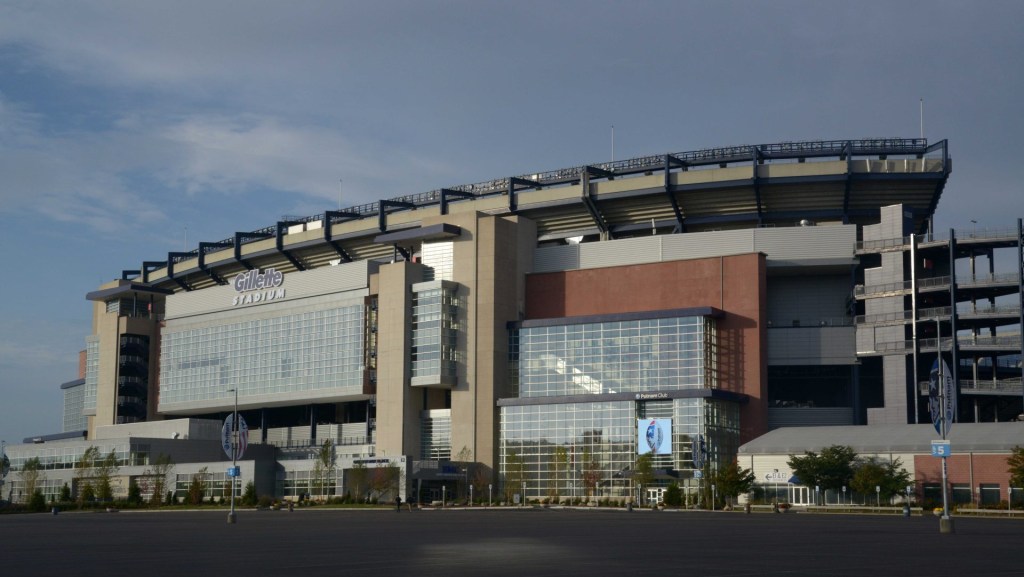
The roughly 19,000-person Boston suburb has said it won’t give FIFA its entertainment license to have games at Gillette Stadium until $7.8 million in security costs are covered. Foxborough says it did not make the agreement with FIFA organizers to host the games, so it shouldn’t have to be on the hook for the security costs. The town set a deadline of March 17 to give out the license. “If nobody gives money, there’s no World Cup in Foxborough,” town manager Paige Duncan told ESPN last month.
Who will claim the final tournament spots?
Six spots remain for the World Cup, with playoffs at the end of March deciding which of the 22 remaining teams will squeak in. Four of those spots will be determined by the European playoffs, while two will come from the FIFA playoffs happening in Guadalajara and Monterrey. Tournament regulars like four-time champion Italy, Poland, and Denmark are all still fighting for qualification.
If Iran drops out of the competition, that opens up another spot. It’s not clear how FIFA would handle a team dropping out of the World Cup. But Iran qualified out of the Asian Football Confederation, and Iraq is currently in the World Cup playoffs. The last Asian team eliminated was the United Arab Emirates.
Is Guadalajara ready to host?
Recent violence in the capital of Jalisco following the killing of cartel leader Nemesio Rubén Oseguera Cervantes raised concerns about Guadalajara hosting the World Cup qualifiers in March, four matches in June, and South Korea and Colombia for base camps.
FIFA backed Mexico in the wake of the violence, saying it is “confident in the intelligence and operational capabilities of its Mexican partners.” Mexican president Claudia Sheinbaum said there is “no risk” for World Cup fans.
Guadalajara will get its first World Cup test when it hosts New Caledonia, Jamaica, and the Democratic Republic of Congo on March 26 and 31 for playoff games.
In a statement to Front Office Sports in Spanish, Colombian federation president Ramón Jesurún said: “The only parties authorized to comment on any matter related to the World Cup are FIFA and the three host countries. However, we would be very happy if Mexico City and Guadalajara remained the venues for our first two World Cup matches.”
How will tickets sell? And at what price?
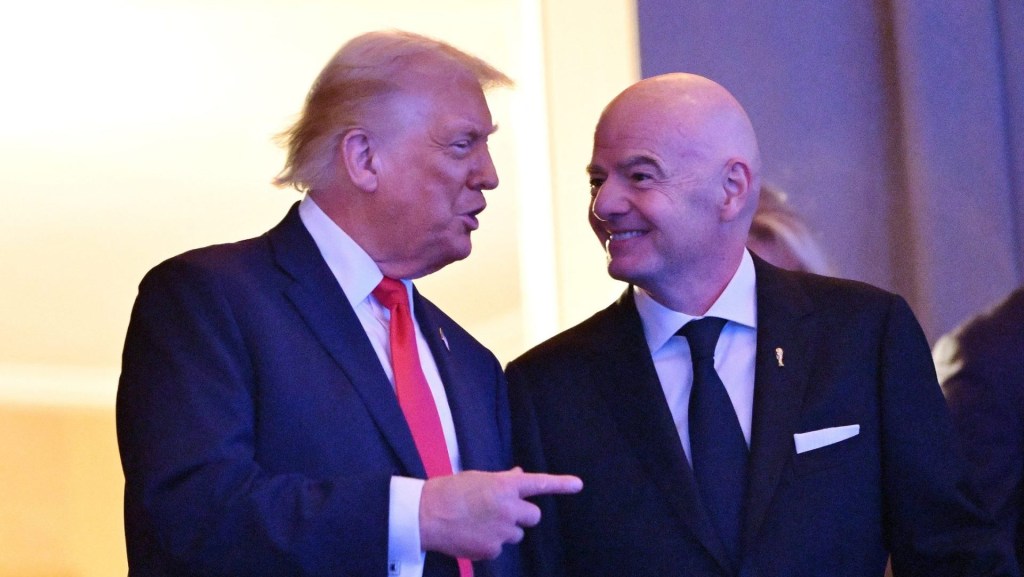
While appearing on CNBC two weeks ago, FIFA president Gianni Infantino said: “Every match is already sold out. We keep some tickets back for some last-minute sales, of course, but every match is sold out.”
Then last week, FIFA sent confusing, unexpected emails to fans offering them a new ticket opportunity. More will be available at a “last-minute” window in April.
What remained for the recent drop were higher-tiered, more expensive tickets for less glamorous matches, like $380 tickets to Jordan-Austria, $400 tickets to Ivory Coast–Ecuador, and $430 tickets to Saudi Arabia–Uruguay, according to a compilation from fans on Reddit. While tickets were still available at the two highest ticket categories for the opening U.S. match against Paraguay, they cost $1,940 and $2,735, the same table showed.
If Infantino actually does want every match to be sold out, it’s possible FIFA could repeat what it did for the Club World Cup last summer and drop prices at the last minute to boost attendance.