The rally between the WNBA and the WNBPA in negotiations for a new collective bargaining agreement continued Tuesday, with the latest serve coming from the players’ side.
The union submitted a counterproposal to the WNBA late Tuesday afternoon, multiple sources familiar with negotiations told Front Office Sports. In it, the WNBPA is seeking team-provided housing for all players in the first several years of the proposed CBA, in addition to a 25% share of total league revenue, averaging out to roughly 27.5% over the life of the deal. The union’s proposed salary cap has dipped below $9.5 million from a previous request for roughly $10.5 million.
The WNBA responded before the night was over with a contentious statement, suggesting the union’s latest proposal puts the league at risk of delaying the season.
“The Players Association’s latest proposal remains unrealistic and would cause hundreds of millions of dollars of losses for our teams,” a WNBA spokesperson told FOS. “We still need to complete two Drafts and free agency before the start of training camp and are running out of time. We believe the WNBA’s proposal would result in a huge win for current players and generations to come.”
The WNBA’s last proposal, shared six weeks after one submitted by the union around Christmas, included a revenue sharing system that deducts certain expenses, resulting in less than 15% of total league revenue shared with players in the first year of the deal. The league’s proposed salary cap was $5.65 million, up from $1.5 million last season. The cap would grow each year with team and league revenue. The max salary would be over $1.2 million in the first year of the proposed CBA and the average player salary would be $535,000. These figures include projected earnings from revenue sharing.
The league has never made its financial records available and has not provided clarity on the calculation used to determine the projected losses it claims would be sustained under the union’s latest proposal.
Housing provisions are not common in U.S. professional sports leagues, but it’s been required of WNBA teams since the first CBA was ratified in 1999. Under the current CBA players could choose between a one-bedroom apartment or receiving a stipend. The league removed team-provided housing in previous proposals submitted to the union, arguing that the increase to salaries warranted the omission. In its most recent proposal, the league conceded on housing, offering team provided studio apartments to developmental players and one-bedroom apartments for rookies and players signed to the league’s proposed minimum salary.
Securing considerable housing benefits remains a priority for the union because of the length of the season and instability of certain players’ contracts. The WNBA regular season is roughly five months long, spanning May and September. Obtaining temporary housing for such a short window, specifically in markets like New York, Chicago, Los Angeles, and San Francisco has sparked concern from players.
The exact length of the union’s latest proposal is unclear, but multiple sources have indicated it’s a five- to six-year term. Team provided housing would be phased out in later years of the proposal for players signed to more lucrative, multiyear contracts that include salary protections.
Moves have been made on non-economic issues, including agreeing to a pregnant player trade consent clause, eliminating marijuana testing, the codification of charter travel, and increases to performance bonuses. The league has also proposed higher 401(k) contributions, a recognition payment for retirees, and team staffing requirements. However, it’s unclear whether the union will pursue more movement in these areas.
The league has not engaged with the union’s proposals regarding the potential removal of the core designation and changes to the prioritization rule.
The start of the season is 80 days away, during which time the league needs to execute an expansion draft for the Portland Fire and the Toronto Tempo, followed by free agency, and the collegiate draft, currently scheduled for April 13. Training camp is expected to begin on April 19.
Speculation about the last possible date both sides could reach an agreement without delaying the season has ranged from the middle of February to March 1, according to various league sources. Others believe the window to agree to a new deal extends beyond the next two weeks and further into March so long as free agency is underway by April 1.
Multiple sources told FOS that ownership has not yet expressed a hard boundary on salary figures, indicating there is still limited movement left to make. The window to do so without delaying the season is swiftly approaching.
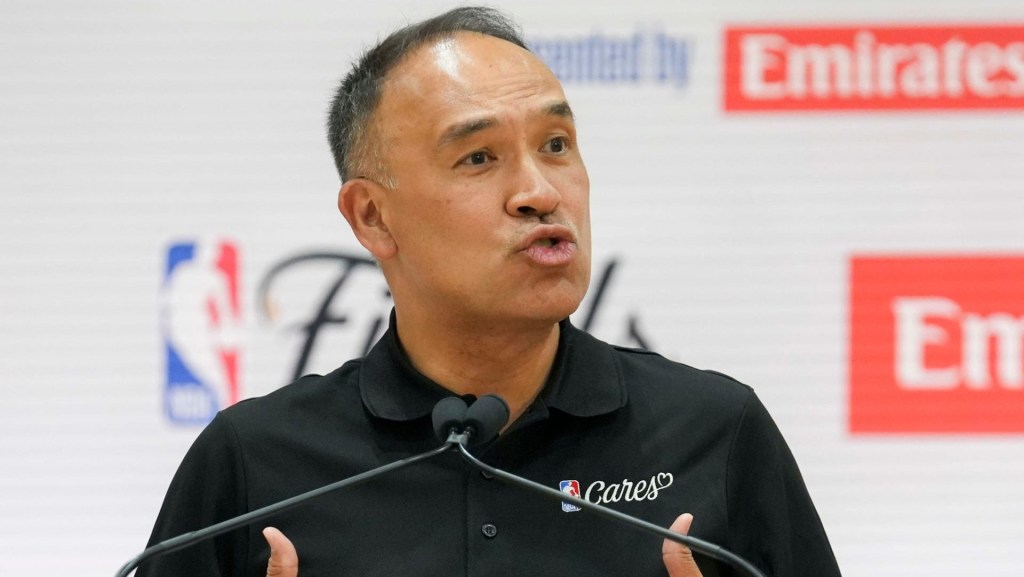
“I’ve been through so many cycles of collective bargaining and often things tend to get done at the 11th hour,” NBA commissioner Adam Silver said during his media address ahead of the All-Star Game. “We are awfully close to the 11th hour now when it comes to bargaining.”
The WNBPA reached a near unanimous agreement to authorize a strike in mid December.