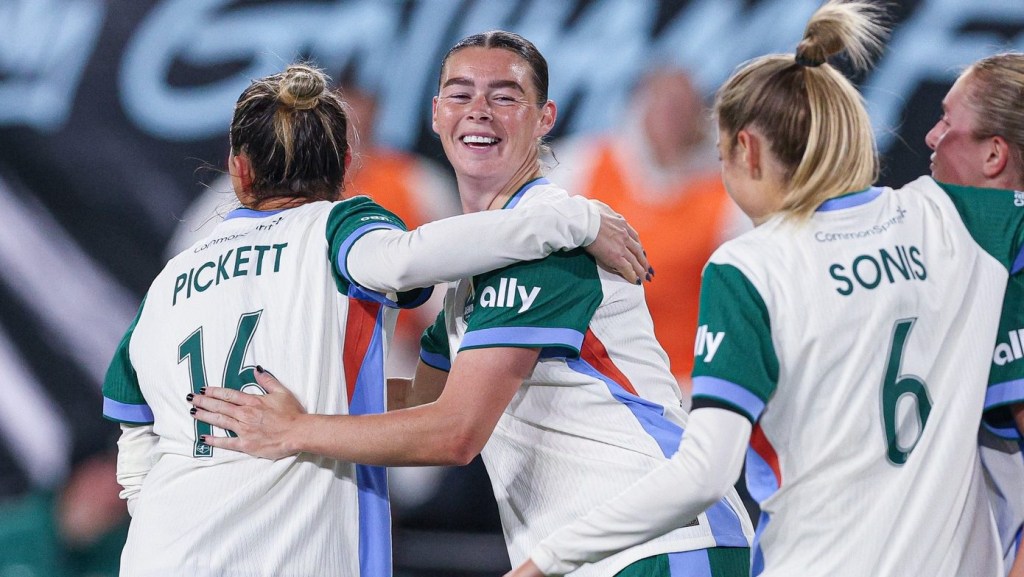
A little more than 48 hours ahead of the Jan. 9 deadline, the WNBA and WNBPA remain at odds over a new collective bargaining agreement.
According to sources familiar with negotiations, the union was still awaiting a response from the league to the proposal they submitted roughly two weeks ago as of Wednesday afternoon. In that proposal, players are seeking approximately 30% of gross revenue and a salary cap of about $10.5 million, sources confirmed to Front Office Sports.
Details of the union’s proposal were first reported by ESPN last week. The league believes the proposal would result in $700 million in losses for the league and its teams over the duration of the CBA, according to that report.
“You’ve heard a lot of chatter about what we’re asking for is not sustainable for the business,” Napheesa Collier said during an Unrivaled broadcast Monday. “Being on this side with Unrivaled, I know what it takes to run a sustainable business. If they can’t find a model that makes it happen, they need to put people in place who can. We’ve proven that it is possible. There is a way. We’re thriving in that.”
Both sides agreed to a second extension hours before the CBA was set to expire on Nov. 30. Last month the WNBPA authorized a strike in a vote that included 93% participation from players; 98% voted to allow the union’s executive committee to call a strike when necessary.
If both sides can’t agree to a third extension, a work stoppage—whether in the form of a lockout initiated by owners or strike initiated by players—would not be automatic. If neither side initiates a work stoppage, negotiations could instead enter a period of status quo. Under the terms of the current CBA, the players could not strike without terminating the extended agreement. But if negotiations are under status quo, the union could call a strike at any point.
The union’s proposal was a counter to one the league made in early December. The league had offered players 70% of net revenue, which sources familiar with negotiations believe equates to less than 15% of total league revenue. The salary cap would increase from $1.5 million to $5 million under the league’s latest proposal, and the league’s proposed revenue-sharing model would lead to max salaries of more than $1.3 million and average salaries exceeding $530,000. Over the duration of the deal, those numbers would climb to almost $2 million and $780,000, respectively.