DURHAM, N.C. — There was plenty to discuss on Day 1 of training camp for the U.S. Women’s National Basketball Team.
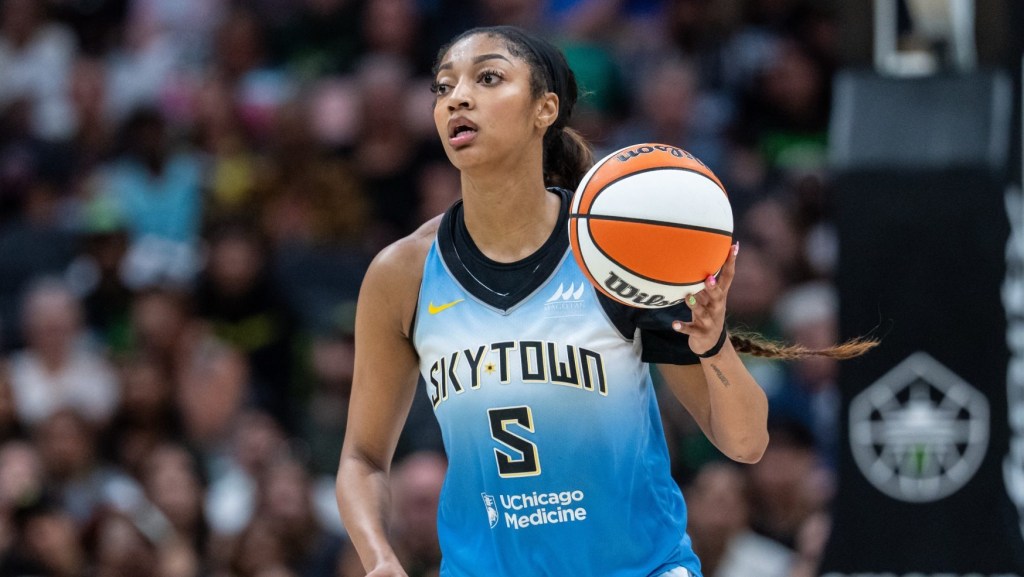
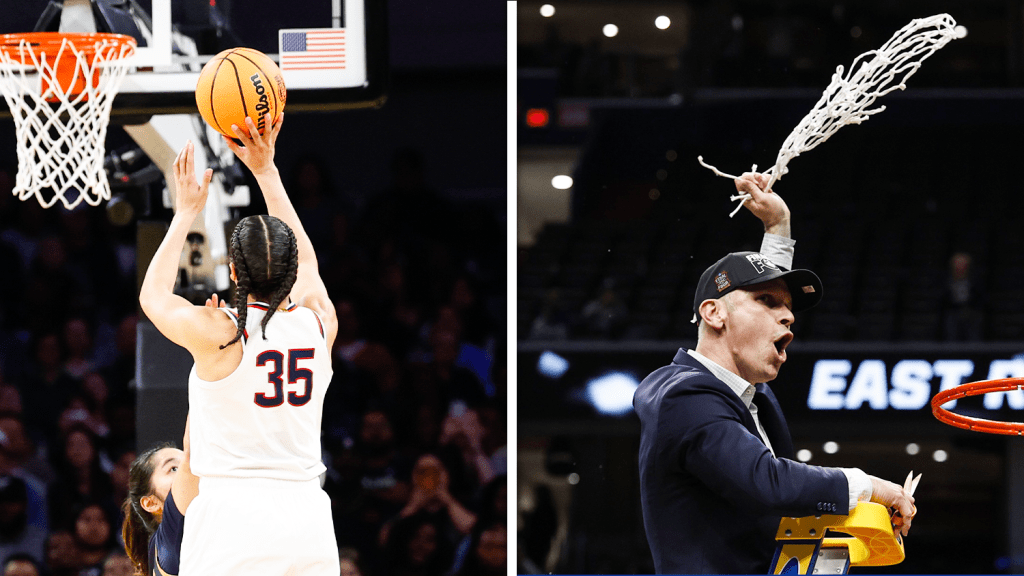
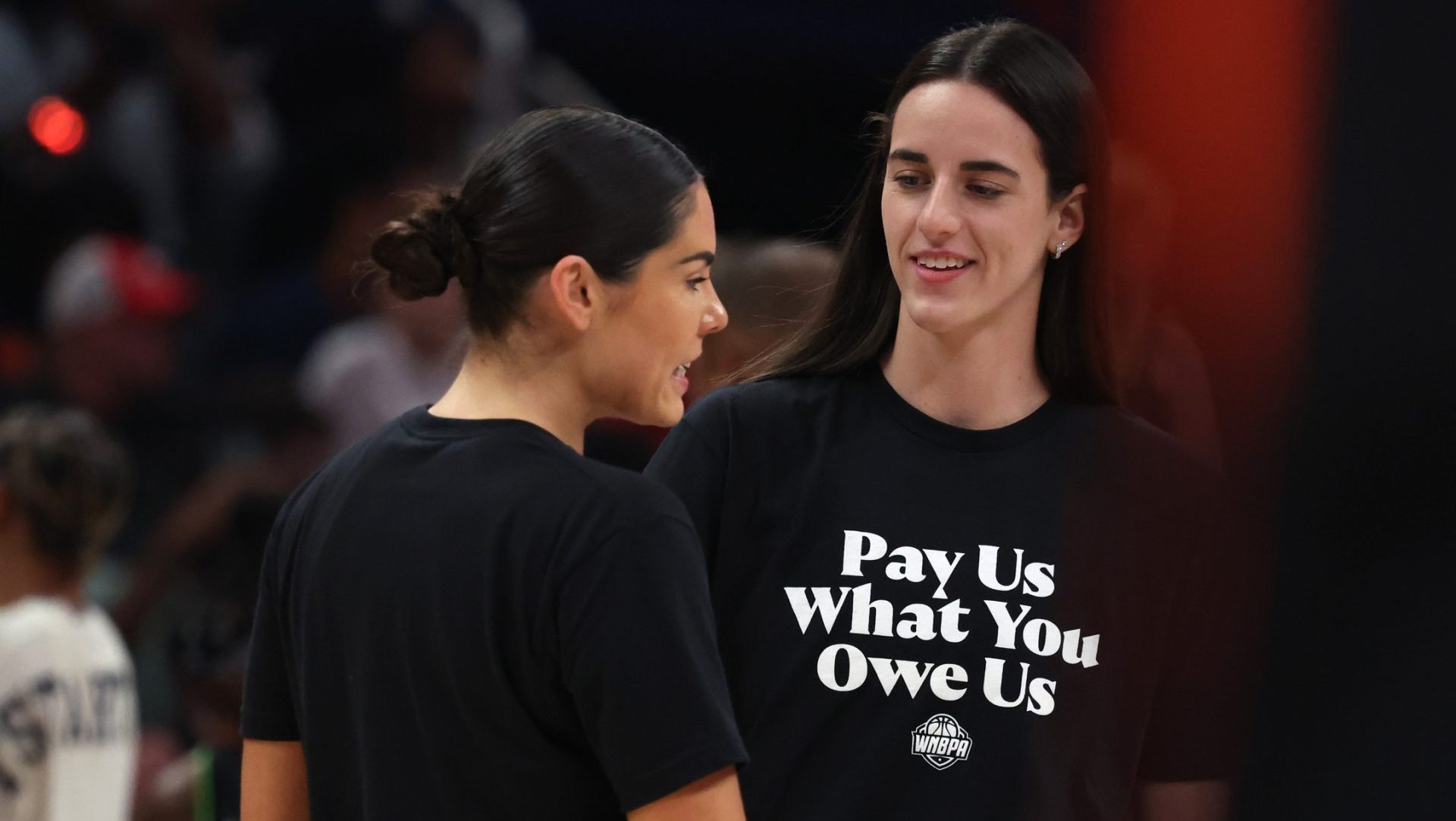
Caitlin Clark returned to the court after missing most of the 2025 season due to injury. Among those making their senior camp debuts along with Clark were Angel Reese, Paige Bueckers, and JuJu Watkins. At the helm is newly named national team coach, Kara Lawson. Responsible for that hire and the selection of the entire roster is first-time managing director Sue Bird.
Despite all of those highlights, the subject taking center stage was the collective bargaining agreement negotiations between the league and the players’ association.
“This is the biggest moment the WNBA has ever seen,” Clark said. “It’s not something that can be messed up. We’re going to fight for everything that we deserve, but at the same time, we need to play basketball.”
WNBA viewership was up 6% across 25 regular season games on ESPN year-over-year, averaging 1.3 million viewers. It was the most-watched WNBA season on ESPNs networks. The postseason was the most watched on ESPN averaging 1.2 million viewers and the most watched across all platforms since 1999 (1.3 million viewers).
The opportunity to build on all of that momentum hangs in the balance as the league and the union remain at odds in negotiations.
“It’s a little bit disheartening,” first vice-president of the WNBPA Kelsey Plum said. “Just the frustration in negotiations and how far away we are.”
Both sides agreed to a second extension minutes before the last expired on Nov. 30. The current CBA will now expire on Jan. 9, but both sides have the option to opt out of the extension at any point with 48 hours notice.
The biggest point of contention for the WNBA and WNBPA in negotiations remains the salary model. The league’s latest proposal included a $1 million max base salary, and the salary cap, which was $1.5 million in 2025, would increase to $5 million. The league also proposed players receive a 50% share of a revenue metric. According to multiple sources familiar with negotiations this metric would not include all revenue and would have expenses deducted resulting in players receiving less than 15% of the WNBA’s total revenue.
The union countered last week with a proposal requesting a larger percentage of league and team revenue. In addition to a transformational salary model, the union is pursuing removing the core designation, improving parental leave for non-birthing parents, reimbursing players for mental health care costs, improving retirement benefits, and adding a minimum operational standard for teams as well as staffing requirements.
A work stoppage would have to be formally initiated either by the owners, which would result in a lockout, or by the players, which would result in a strike.
“There are different things that we can find ways to say ‘No, we certainly deserve that and we’re not going to compromise on that,’” Clark said. “And then other things that we can probably compromise on. Like I said this is the biggest moment in the history of the WNBA. I don’t want that to be forgotten. It’s important that we find a way to play this next season. Our fans and even everybody that has played in this league that has come before us deserve that as well.”