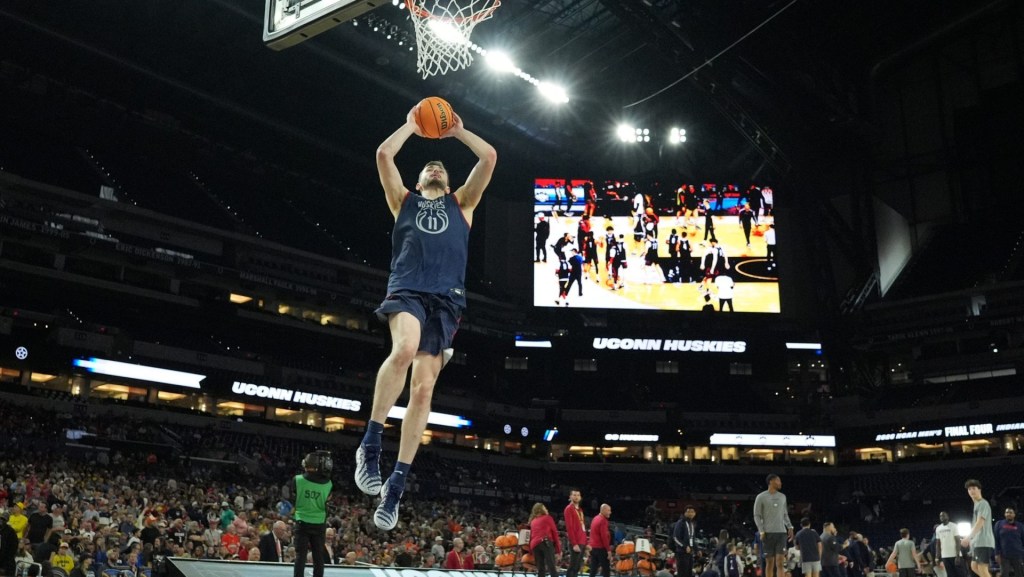
INDIANAPOLIS — It was eerily quiet when the UConn Huskies took one more step toward making history on Saturday night.
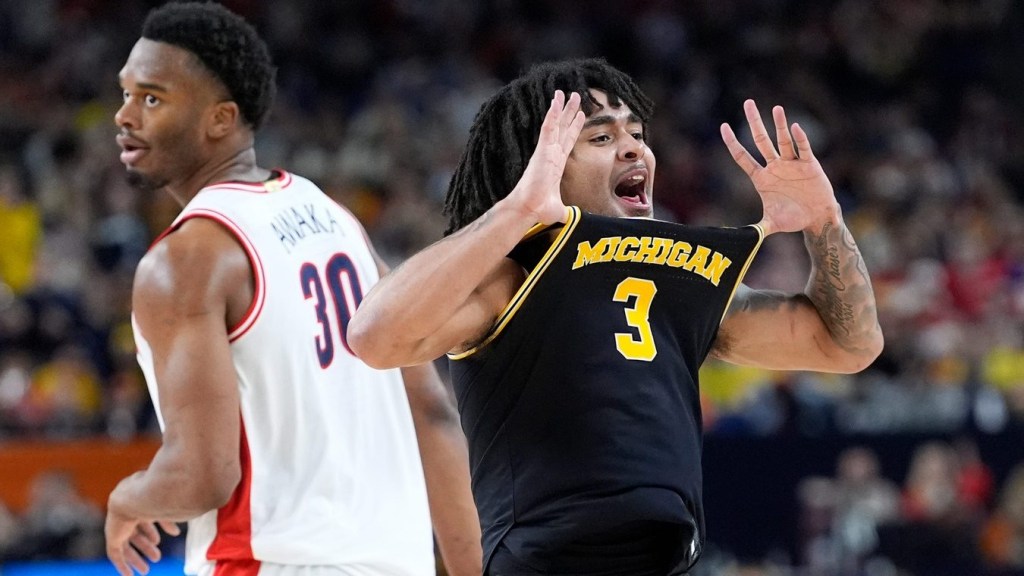
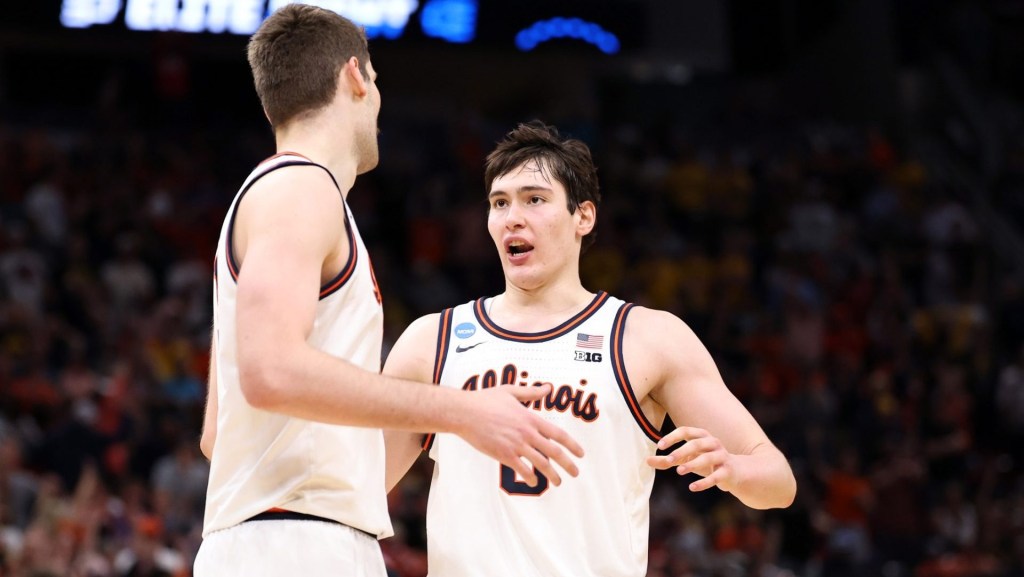
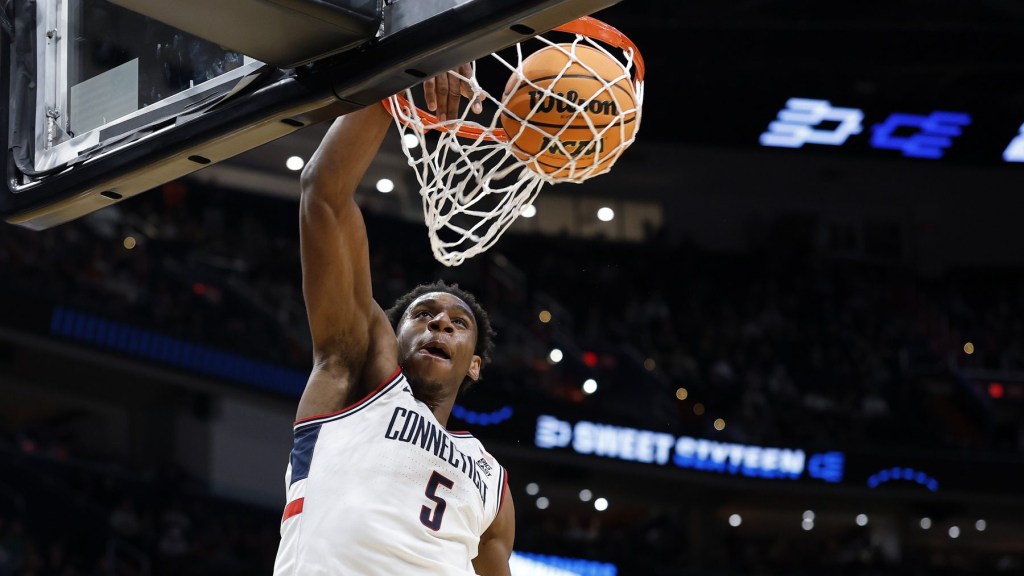
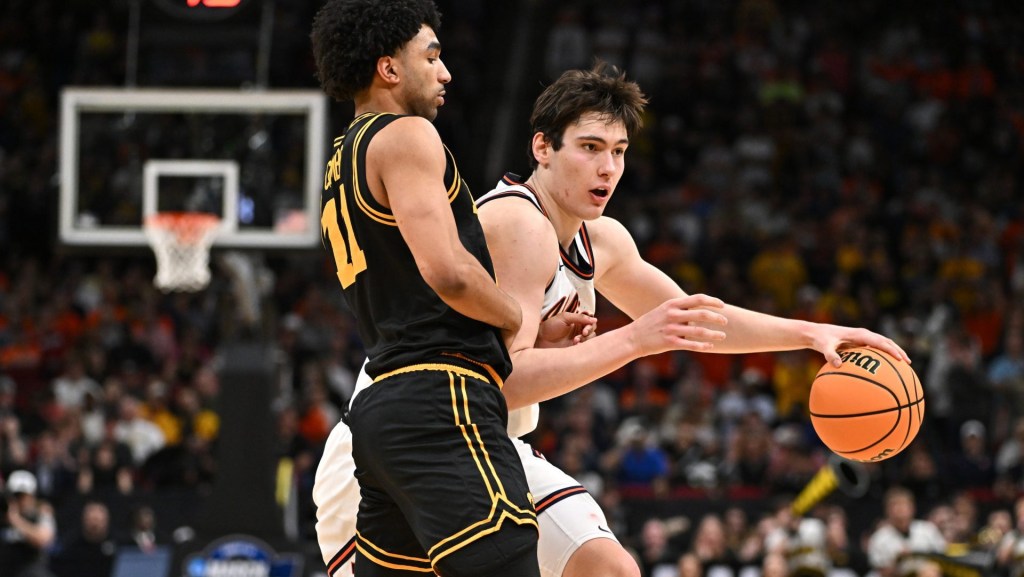
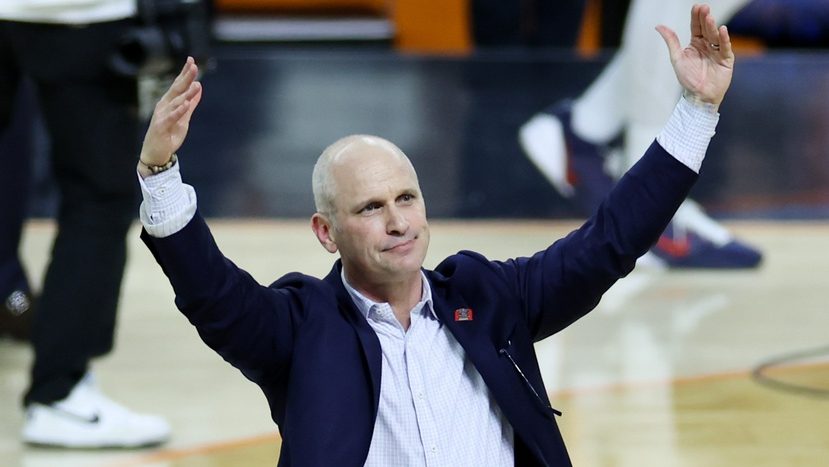
Lucas Oil Stadium was packed with Illinois fans who fell mostly silent as the Huskies beat the Fighting Illini 71-62. Despite being seeded above the Fighting Illini, UConn was the slight underdog, hailing from arguably an underdog conference in the Big East that was considered to be having a “down year” this season. But UConn silenced the Illinois fans—as well as the media members who Dan Hurley called out in the postgame press conference.
On Monday night, the Huskies will appear in their third national championship game in four years. If they can cut down the nets, they’ll be the first program since John Wooden’s UCLA to win three championships in just four seasons. Not even Duke—who UConn upset in the Elite Eight—could pull that off in their dominant run during the late-1980s/early-1990s.
The Huskies could solidify not just a rare dynasty in men’s college basketball, but perhaps the first one in the new era of college sports ruled by NIL, revenue-sharing, and the unrestricted transfer portal—where bluebloods don’t mean as much anymore, and anyone with the right resources can make a tournament run.
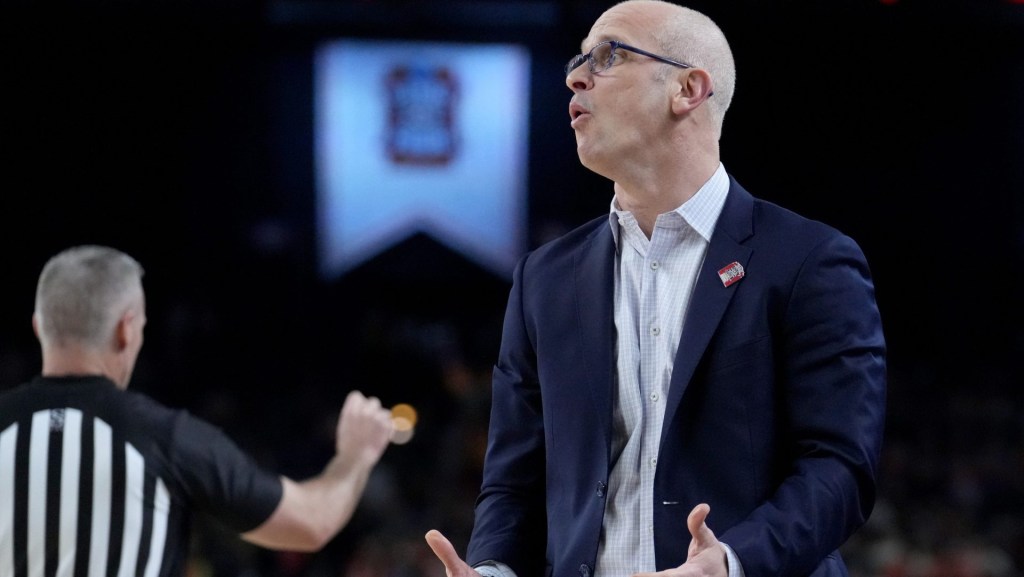
But to Dan Hurley and the Huskies, history isn’t even in the vocabulary.
“The last thing we’re thinking about now, as we prepare for one of these teams, is dynasty,” Hurley told a group of reporters outside the locker room Saturday night. “We’re gonna go watch this one and go through the preparation and focus on just, not winning the national championship game, but just trying to—whoever we play—try to win the game.”
‘Life and Death’
Last year, the Huskies were chasing a three-peat. But they got bounced by the eventual champion, Florida, in the second round of the NCAA tournament. Hurley blamed, in part, the pressure he put on himself and the team chasing that moniker. He described it as “ego.” He’s since learned his lesson.
Something else that’s different about this year than the 2023 and 2024 national championship-winning teams: UConn isn’t steamrolling through the tournament. Tarris Reed Jr. described the team as having “escaped with the win.”
“The year hasn’t been a joyride,” Hurley said. “We haven’t been a machine of destruction. We’ve been a team that’s had to grind out games like this.”
On Saturday night, it was no different: the Huskies battled through most of the first half, and pulled away in the second half with a 14 point lead. But the Fighting Illini couldn’t be killed, and at one point chopped the Huskies’ lead down to just four points. It wasn’t until the remaining two minutes that UConn pulled away for good.
History in the New Era
If UConn can pull off another national championship, their dynasty would be the first in men’s college basketball in the era of “unrestricted free agency.”
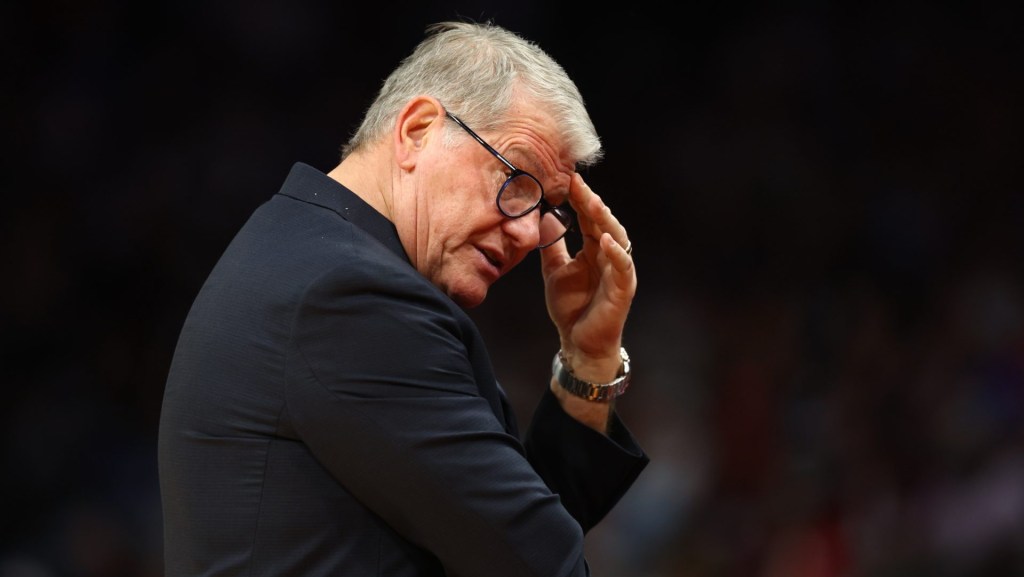
The program is no stranger to winning, with six total national championships (and 12 on the women’s side, which is itself a fortified dynasty despite this year’s disappointment).
The Huskies’ secret isn’t a secret at all. They do the same thing that every team needs to do: They embrace this new era of NIL and the transfer portal—and they invest.
UConn spent a combined $34 million on both its men’s and women’s programs. Its coaches are among the highest-paid in their respective fields—Hurley is on a six-year, $50 million contract. The Huskies haven’t disclosed how much they spent on NIL and revenue sharing in total, but they’ve previously said they would spend $18 million on revenue sharing across the athletic department.
UConn also had to navigate a financial conundrum as a Big East school with an independent FBS football program. The Huskies have had to find revenue for their basketball programs to thrive while also covering the costs of FBS football—without the FBS football media-rights dollars of the power conferences.
And yet, as athletic director Dave Benedict told FOS last week, they’ve found a way. They’ll take the court Monday night to make history in this new era.
“It means everything for us to show up as warriors for our battles,” Hurley said, “and wars that we do in sports.”