Want more from Front Office Sports
in your search results?
Both before and after July 1, countless college sports officials have called the NIL era “the wild west.” They’ve described scrambling to research it and put together programs for athletes. They’ve almost acted as if the NIL era — an inevitability since at least 2019 — were a surprise.
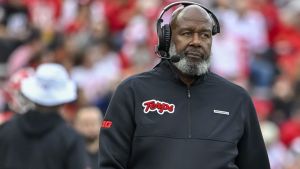
Mid-Eastern Athletic Conference Commissioner Dennis Thomas agrees it’s “uncharted territory.” But unlike other officials, he and his conference were prepared.
“The MEAC has been talking about this for several years now and how that will impact [us], and what we needed to do to chart our course for our student-athletes that would not only be advantageous for them but also for our institutions,” Thomas told FOS.
The MEAC is made up of Historically Black Colleges and Universities (HBCUs) who play in Division I FCS. Thomas has known that NIL deals may not come as easily to his athletes as they would to those at Power 5 schools.
The conference has built an NIL strategy aimed at setting athletes up for life and showing recruits that MEAC schools have the tools to make NIL ventures successful.
Facing Challenges
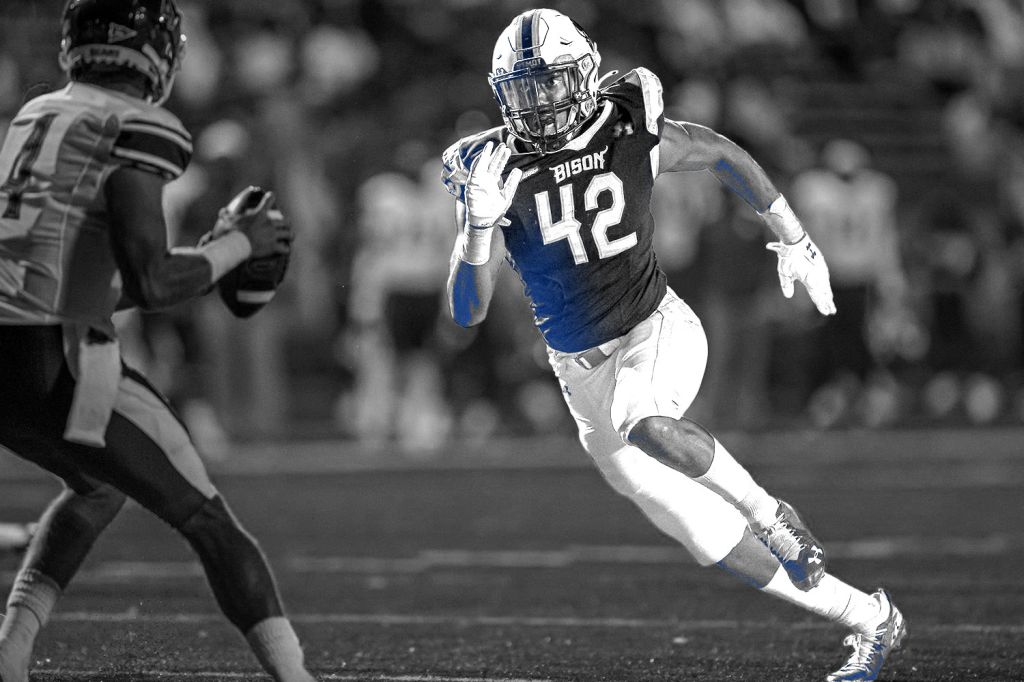
Norfolk State running back Rayquan Smith has inked at least 15 NIL deals so far, according to HBCU Gameday. Smith is an example of what’s possible. But right now, he’s an exception.
“The biggest challenge is the communication of informing our student-athletes that it’s a lot of work involved in building your brand,” Thomas said. “Corporate America is not going to come up and be beating your door down.”
That’s because the MEAC’s main issue is one common among FCS teams: exposure.
The conference’s football games are broadcast on ESPN platforms. But their audiences aren’t as large as those of Power 5 programs, who have billion-dollar deals with major broadcasters, Thomas noted.
It’s not just that brands might be less interested in partnering with athletes who play for smaller audiences. It’s also that HBCUs — and their fans — have historically been overlooked.
“If Corporate America is perceptive enough … they will realize that African Americans spend money too,” Thomas said. “And if they see student-athletes of African American culture, then that’s a worthy investment. And they’ll get a good return on investment.”
A Forward-Looking Strategy
Most NIL consulting partnerships are school-specific. But a few conferences have signed conference-wide deals.
After MEAC schools did their own research, they inked a conference-wide partnership with INFLCR that will help with brand building, compliance and NIL education.
The goal is to go from “zero to hopefully millions of followers,” Thomas said.
The partnership can help the schools, too. Thomas hopes it will entice recruits who are “already out there trying to build their brand,” and show them that as MEAC athletes, they’ll be “exposed to the top-level companies that will assist them.”
In a moment when so much of the focus is getting the flashiest NIL deals as quickly as possible, the commissioner is one of the few thinking about the “long-term investment in our student-athletes” and their lifelong brand-building skills.
His hope is that “when they leave us, they will have the foundational architecture that is needed to continue once they graduate — whether they go professionally in their sports or whether they go professionally into their academic field,” Thomas said. “And that’s for your whole life.”
What About Salaries?
Thomas was enthusiastic about athletes getting their payday in the NIL era. In the future, he believes their economic rights will expand, and that NIL “is the first step.”
But he said the conference was “not on board” with the NLRB’s recent memo suggesting athletes should be considered employees.
The vast majority of NCAA athletic departments don’t turn a profit, so it doesn’t make sense to pay athletes, he said. Getting “a full scholarship, cost of attendance, NIL revenue” is “a pretty good deal” for athletes in departments that don’t turn profits.
“The [Power 5s] who have these billion-dollar contracts, now, that’s a different issue for their student-athletes.”
Tips? Comments? Reach out to Amanda Christovich at amanda@fos.company or on Twitter.
Download the FOS App
The business of sports, in your pocket.



Scan the QR code to get the app now.