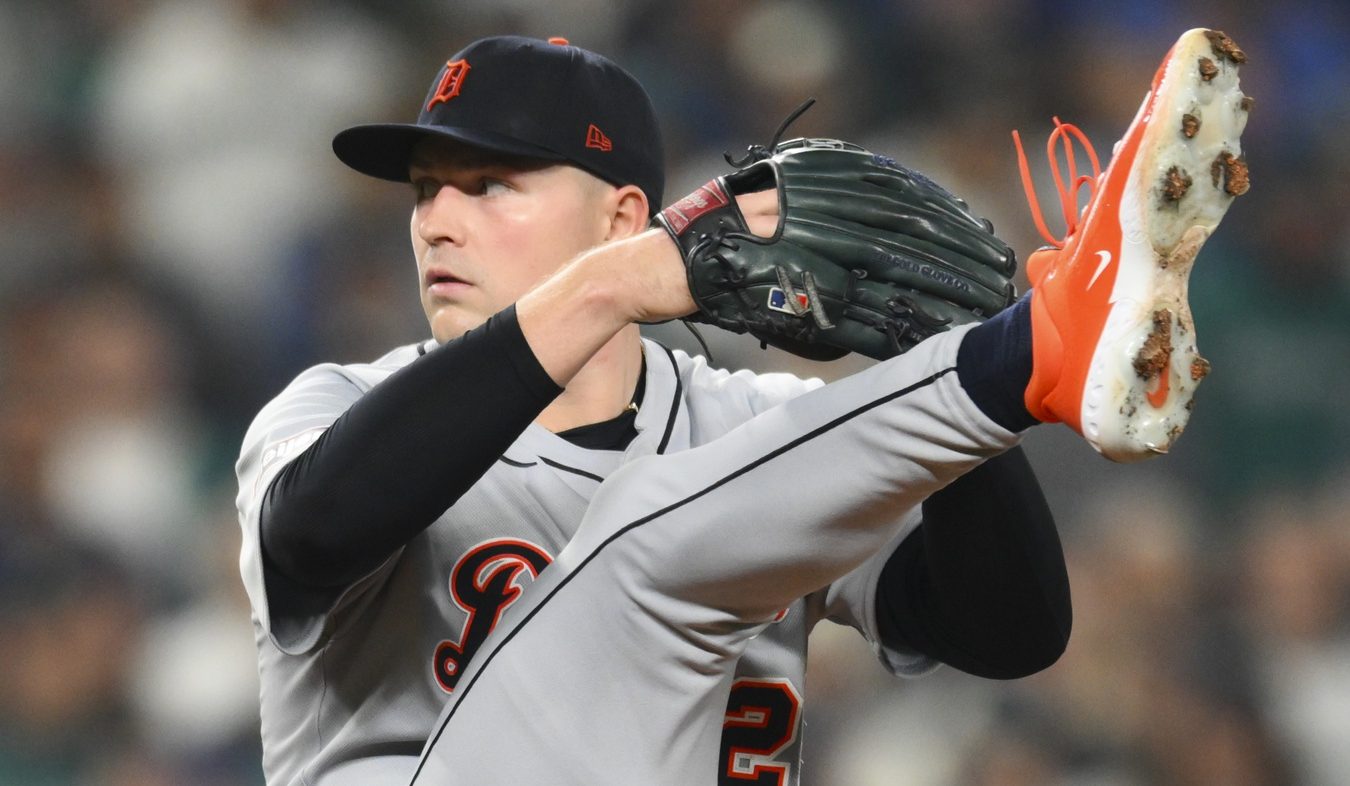
Tigers ace pitcher Tarik Skubal won his arbitration case against the club, securing a $32 million salary that shatters all prior records for a player in the arbitration system but also raises plenty of questions regarding his and the sport’s future.
Nearly a month after filing for arbitration, the two-time reigning Cy Young Award winner in the American League secured every bit of his historic salary request, prevailing over a competing, $19 million offer from the Tigers for the 2026 season. With the win before a three-person panel, Skubal shattered the prior record for an arbitration-eligible pitcher, $19.75 million for the Tigers’ David Price in 2015, in both nominal and inflation-adjusted terms.
The decision was also the largest arbitration salary decided by a panel, beating the $19.9 million decision for Blue Jays first baseman Vladimir Guerrero Jr. in 2024. The $13 million gap, meanwhile, between Skubal’s arbitration request and Detroit’s offer was also unprecedented.
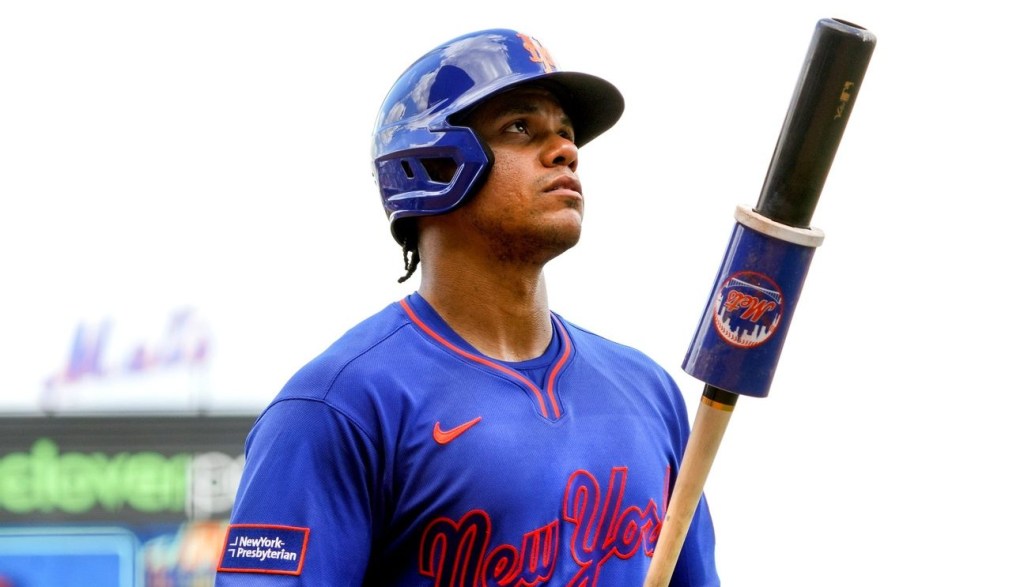
Skubal’s upcoming salary additionally beats the $31 million arbitration figure for outfielder Juan Soto in 2024, settling on that figure with the Yankees before he ultimately reached a record-setting $765 million contract with the Mets late that year in free agency. Skubal settled last year with the Tigers on a one-year deal of $10.15 million for 2025, avoiding a hearing, and with the latest victory, will more than triple his salary.
Ripple Effects
The historic situation surrounding Skubal promises to have widespread impacts in Detroit and across the league.
Players with between three and six years of major league service can go to arbitration to resolve salary disputes, but more than 90% eligible players settle their cases. Skubal, however, tested the system like no one before him.
This could very well be the beginning of the end of Skubal’s decorated tenure with the Tigers, as MLB arbitration history involved this type of division between a player and a team often leads to eventual divorce. Skubal will be a free agent after the 2026 season, where he is again likely to command a massive salary on the open market.
Skubal is represented by Scott Boras, one of the sport’s most powerful agents and one who has struck many market-setting deals.
The entire arbitration system, meanwhile, is set to be revisited as MLB owners and players are beginning labor negotiations in advance of the Dec. 1 expiration of the current pact. Those talks are expected to be fractious as a growing economic divide and large-scale media disruption continue to cause friction.
Arbitration eligibility is often the first time that a player can have a real say in their compensation, as signing bonuses after the MLB draft, minor-league salaries, and initial major-league salaries are all typically preset.
During the last set of collective bargaining talks between owners and players in 2021–22, MLB sought to eliminate the arbitration system and replace it with a performance-based model. The union resisted that, and instead negotiated for higher minimum salaries as well as a $50 million bonus pool for high-performing, pre-arbitration players.
Despite Skubal’s significant victory, he will still earn less this year than fellow pitcher Framber Valdez, newly signed in free agency by the Tigers. Valdez’s three-year, $115 million deal will pay him $38.3 million for 2026, and the average annual salary set a record for a left-handed pitcher.