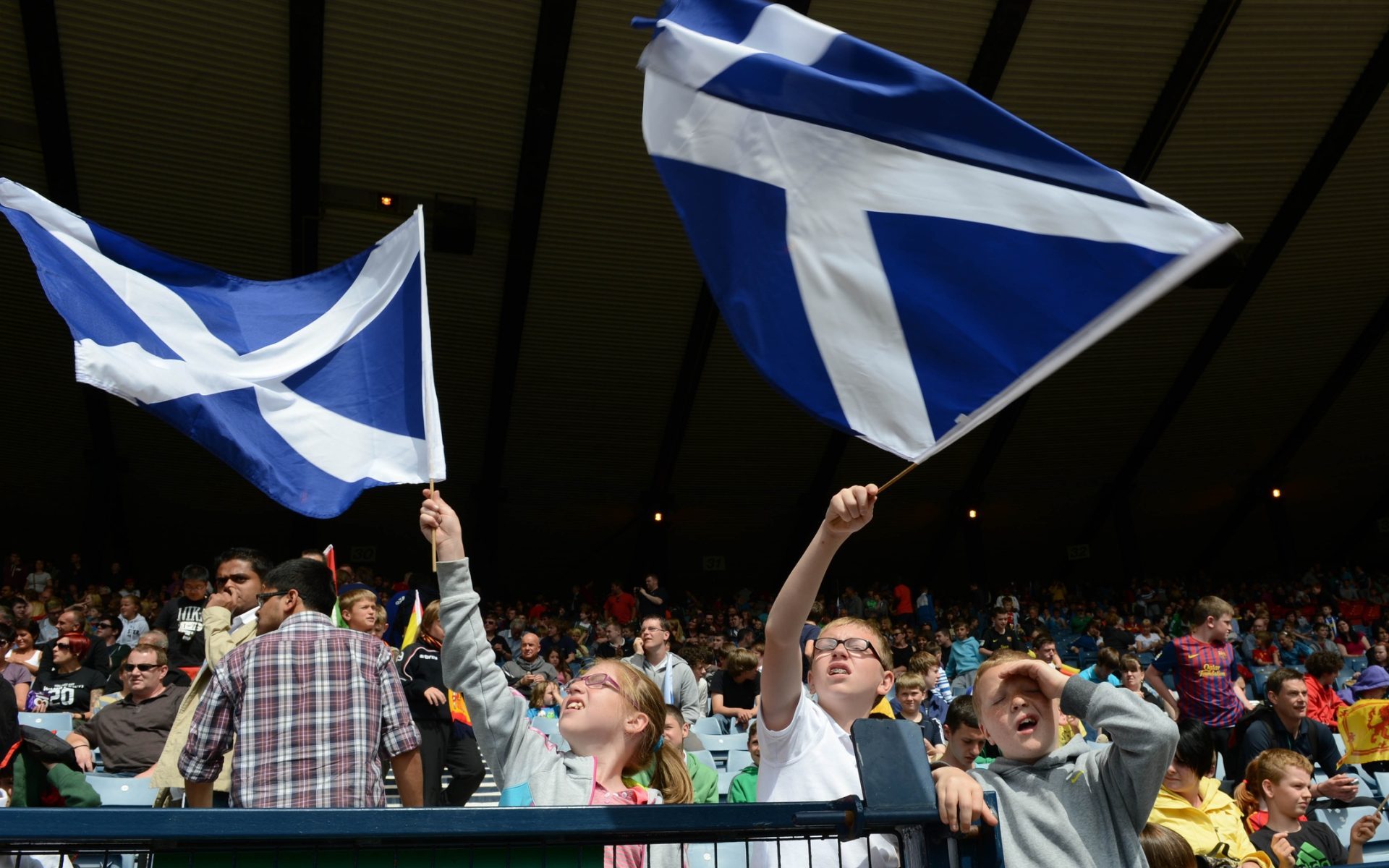
Scotland is in the midst of “World Cup fever” after claiming its first berth to the tournament since 1998, and following FIFA’s recent event draw, the country knows its men’s team will start group play in June against Haiti. The Scottish national team, however, has a stark warning for fans: Don’t overextend yourself financially to see us.
In the wake of World Cup ticket prices that soared roughly fivefold compared to the 2022 tournament in Qatar, Scotland team manager Steve Clarke implored fans to watch their wallets as they consider traveling to North America for matches.
“One of my biggest wishes is that people don’t put themselves too much into debt trying to buy tickets,” Clarke said. “Even the cheapest ones look to be pretty pricey.”
FIFA said Scotland is one of the top countries making ticket requests for the upcoming World Cup, beyond the host countries of the U.S., Canada, and Mexico—further signifying the upstart nature of the country’s appearance amid global powers such as neighboring England, 2022 World Cup winner Argentina, France, Brazil, and Germany.
Football Supporters Europe, however, estimated it would cost at least $6,900 for a single fan to follow their team from the start of group-stage play to the final. That fan advocacy group, along with many others around the world, has decried what they describe as “extortionate” practices by FIFA. Compounding the sticker shock is FIFA’s use of dynamic prices for much of its World Cup ticketing.
“Some of the figures are eye-watering, if you look at them,” Clarke said.
Clarke’s comments followed those of Scottish fan group the Association of Tartan Army Clubs, which said that “FIFA has killed the dream of our young fans, desperate to get to a World Cup.”
Robust Demand
Despite the continued global pushback on FIFA’s World Cup ticket pricing, sales continue to be strong. The governing body said it received 5 million ticket requests during its third phase of ticket sales, adding to the nearly 2 million tickets sold during the two prior phases.
For Scotland specifically, the Scottish Football Association has claimed the maximum ticket allocation it can for its matches, amounting to 8% of the available inventory, and it will be distributing those tickets to its member supporter groups. That 8% allocation matches what is happening for all 48 participating countries.
“Tickets are going to be tight,” Clarke said. “The Scottish FA have taken the full allocation. I’m sure it’ll be used.”