Control of a small-market MLB franchise has formally changed hands, but the move arrives at a particularly delicate time in the sport, with likely more questions than answers about the immediate future.
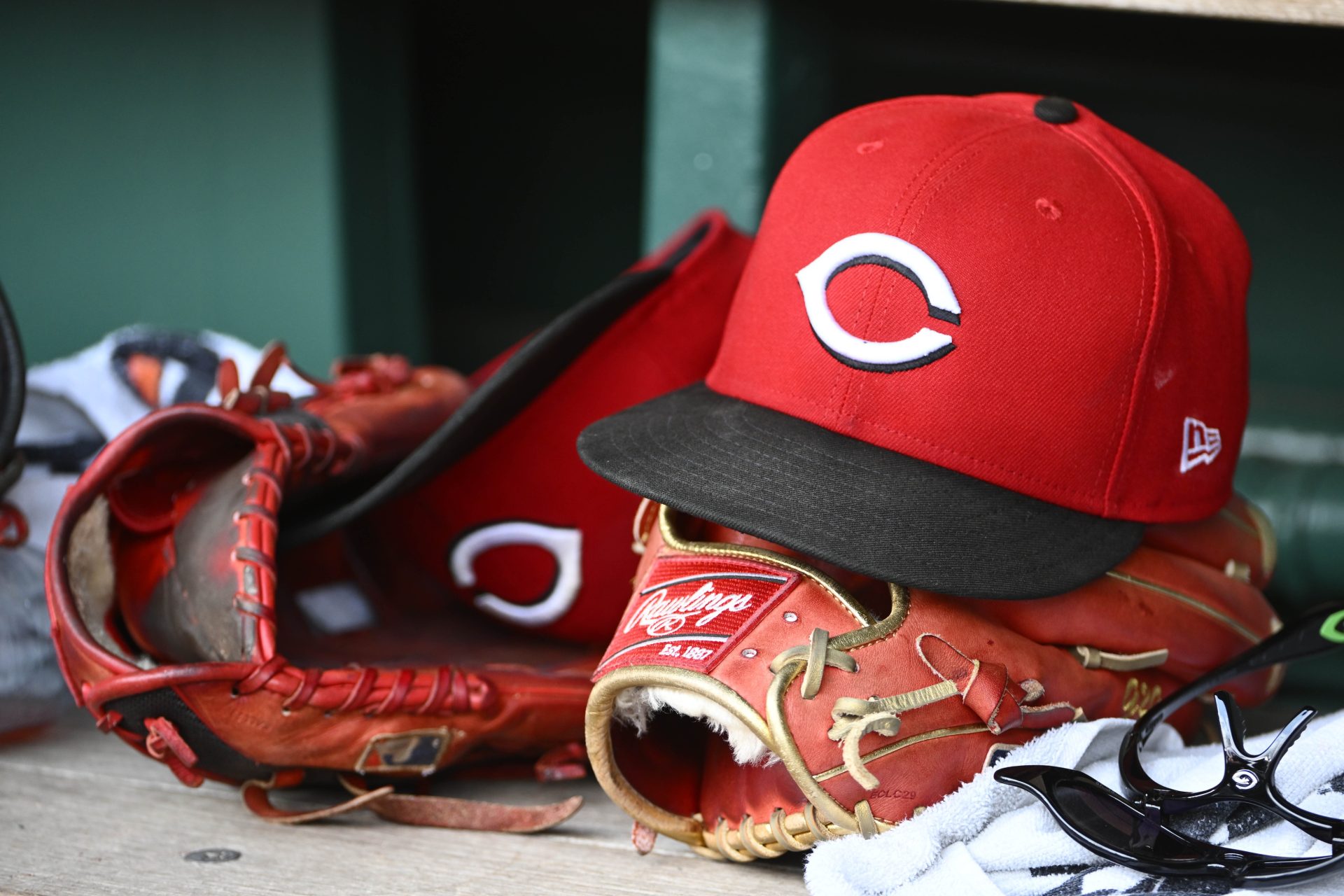
Team owners approved a shift Thursday in which Reds president and CEO Phil Castellini is now the club’s controlling owner, succeeding his father, Bob Castellini. There is no current issue with the elder Castellini, now 84, and he appeared last month at the club’s offseason Redsfest. Rather, the club said this was “the conclusion of a process that was started when the Reds announced organizational changes in July of 2024,” including naming Phill Castelini president and CEO.
Still, the younger Castellini will have a lot on his plate, both locally and regarding the overall business of baseball, as the Reds stand as a microcosm of the growing fiscal divide within the sport.
Operating in one of MLB’s smallest media markets, the Reds reached the playoffs last year for the first time in a full season since 2013, but were quickly swept in the wild-card round by the eventual champion Dodgers. Even with star shortstop Elly De La Cruz on the roster, the Reds’ 2026 luxury-tax payroll of $147.7 million is just over a third of what the Dodgers will spend this year, and nearly $100 million less than the outlay by NL Central division rival Chicago.
As MLB and the MLB Players Association approach what is expected to be a fractious set of labor talks this year, the Reds are at the front line of what the league has cited among fans as a growing unrest about a perceived lack of competitive balance.
“We have a significant segment of our fans that have been vocal about the issue of competitive balance, and in general, we try to pay attention to our fans, so it is a topic of conversation,” Manfred said in November.
Drop in Revenue
The Reds are also facing a sizable decrease in local media revenue this year after recently departing the embattled Main Street Sports Group. Cincinnati is now part of the MLB Media in-house program for production and distribution of local games, providing more control and flexibility and ensuring that games will remain available to fans. It also likely means, however, an eight-figure loss in 2026 revenue for the Reds.
There are other local issues, too. In 2022, Castellini infamously responded to rising fan frustration about the club by asking, “Where you gonna go?” After initially doubling down on the remark, he later apologized. Nearly four years later, the wounds from that episode are still there, recently prompting the president and CEO of the Cincinnati Regional Chamber of Commerce to call for fans to “move on” and “focus on our shared love of the Reds.”
The elder Castellini acquired the Reds 20 years ago in a $270 million deal. The franchise is now estimated to be worth about $1.5 billion.
Twins Change
MLB owners, meanwhile, also approved a change of control for the Twins in which Tom Pohlad will be the club’s lead owner, taking over for his younger brother, Joe Pohlad. This shift was previously announced, and is part of a larger set of moves in which the Pohlad family has brought in Glick Family Investments, Wild owner Craig Leipold, and Värde Partners executive chairman George G. Hicks as minority owners.
The Twins, however, are facing many of the same market-based issues as the Reds, and aren’t nearly as competitive on the field. Minnesota sagged to a 70-92 record last year, the club’s worst record since 2014. The Twins’ 2025 home attendance of 1.77 million was the lowest non-pandemic mark since Target Field opened in 2010, as fans rebelled against a fire sale at the trade deadline.
Minnesota is also part of the MLB Media program for the production and distribution of local games.