• Loading stock data...
Tuesday, February 17, 2026

Why the Race to Cut College Athlete Taxes Creates a Recruiting ‘Prisoner’s Dilemma’

The potential pitfalls of the legislation could outweigh the benefits, according to two tax experts who spoke with Front Office Sports.

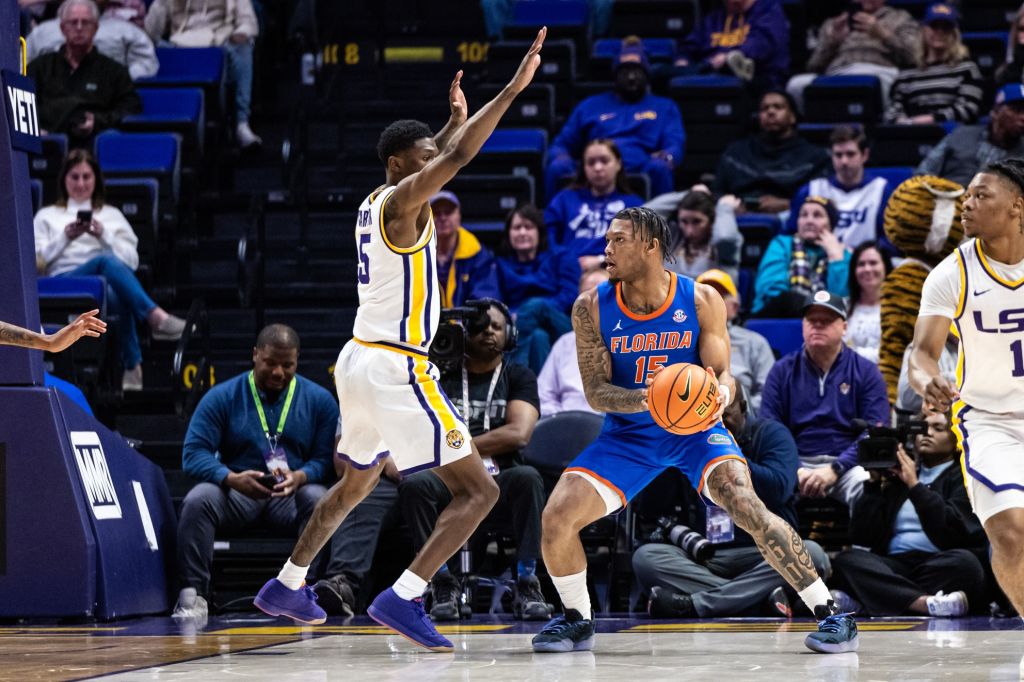
Feb 22, 2025; Baton Rouge, Louisiana, USA; Florida Gators guard Alijah Martin (15) dribbles against LSU Tigers guard Cam Carter (5) during the first half at Pete Maravich Assembly Center.
Stephen Lew-Imagn Images

State lawmakers have discovered a potential weapon in the college sports recruiting arms race: NIL (name, image, and likeness) tax exemptions.

Throughout the past several months, legislators in Georgia, Alabama, and Illinois have introduced bills that would exempt NIL deals from state income taxes. Legislators in Louisiana are reportedly about to introduce a bill of their own. The goal, they hope, is to entice recruits to their flagship universities, both strengthening their rosters and potentially earning more money through more ticket sales. 

But the potential pitfalls of such legislation could outweigh the benefits, according to two tax experts who spoke with Front Office Sports. Giving athletes a tax break means states would ultimately sign away their ability to earn extra tax revenue without any meaningful impact in recruiting or increased athletics earnings.

NIL earnings have become a key factor in players’ decisions of where to enroll or transfer—and they’re expected to become even more important in the potential revenue-sharing era. But they aren’t the only factor.

Some say offering tax incentives wouldn’t even improve recruiting because of the disparities in state tax laws that already exist. Katie Davis, a partner at James Moore & Co. consulting firm that works with athletic departments nationwide, notes that Florida, for example, doesn’t have any state income tax, while other programs, even within the SEC, reside in states that do. Since the NIL era began in 2021, she says, there’s no evidence of a major recruiting advantage because of that tax disparity. 

“I think what would probably move the dial in recruiting more would be if coaches had tax professionals on retainer,” Davis tells FOS.

The main reason why tax incentives for players aren’t an effective tool is what University of Central Arkansas economics professor Jacob Bundrick describes as a “prisoner’s dilemma.” If multiple states begin introducing NIL tax breaks, it ceases to become a competitive edge for schools. 

“If you’re the first mover on this [policy] there might be an advantage,” Bundrick, who has studied the impact of state tax incentives in the sports industry and beyond, tells FOS. “But if there really is an advantage, and we see that in terms of spending and enrollment, you can expect that other states will follow.” At that point, having a favorable tax policy becomes a matter of keeping a level playing field, rather than providing a significant competitive boost. 

Meanwhile, states could lose out on potentially valuable tax revenue.

Illinois state senator Travis Weaver argued that, because the NIL industry is new, relinquishing tax revenue from NIL deals isn’t actually losing out on tax earnings. “The nice thing about this is it’s not existing revenue, which I think makes it a lot easier,” he told CBS Sports. “It’s hard to cut a tax when it’s something that you have been collecting and it’s baked into your budget, whereas this, we’ve never been taxing, NIL [income], not to mention that there hasn’t really been any, right? I mean, this is just such a wild, wild west.” 

Bundrick disagrees. NIL deals are just a new deployment of capital that companies would already be using elsewhere if NIL opportunities didn’t exist. “If anything, it’s simply a shift within the way that they are going about spending those advertising dollars,” he says.

He also notes that income tax specifically is supposed to draw from a broad pool of earners—and the more legislators “whittle down” those groups, the more income tax rates end up burdening the rest of the population. 

“Most economists would say that this is bad tax policy.” says Bundrick.

Linkedin
Whatsapp
Copy Link
Link Copied
Link Copied

What to Read

Phoenix Mercury forward Alyssa Thomas (25) is introduced before the WNBA Finals Game 3 against Las Vegas Aces at Mortgage Matchup Center in Phoenix on Oct. 8, 2025.

WNBPA Seeks 25% of League Revenue in Counterproposal

The union lowered its proposed salary cap to below $9.5 million.
Ryan Field

What’s Behind Midseason Opening of Northwestern’s New $862M Stadium 

The Wildcats will play their first game at Ryan Field on Oct. 2.
Feb 8, 2026; Santa Clara, CA, USA; Seattle Seahawks tight end AJ Barner (88) makes a catch against New England Patriots safety Craig Woodson (31) and cornerback Marcus Jones (25) during the first quarter in Super Bowl LX at Levi's Stadium.

Trump’s CFTC Moves to Prevent States From Ruling on Prediction Markets

The stage is set for an eventual Supreme Court battle over sports event contracts.

Featured Today

Max Valverde by Ron Winsett

How Ski Mountaineering’s Hype Man Went From TikTok to NBC

Max Valverde’s gushing over the niche sport vaulted him to Olympic broadcaster.
Feb 11, 2026; Livigno, Italy; Jaelin Kauf of the United States during freestyle skiing women's moguls final during the Milano Cortina 2026 Olympic Winter Games at Livigno Aerials & Moguls Park
February 13, 2026

The Surprise Hit of the Winter Olympics: First-Person Drone Views

Tiny drone cameras have reshaped the Olympics viewing experience.
Feb 11, 2026; Milan, Italy; Madison Chock and Evan Bates of the United States skate during the Milano Cortina 2026 Olympic Winter Games at Milano Ice Skating Arena.
February 13, 2026

Olympic Figure Skaters Pay Out of Pocket for $9,000 Costumes

For four minutes on ice, stakes are high—and prices even higher.
February 11, 2026

Epstein Emails Show His F1 Ties Ran Deep

The sex trafficker’s circles included many of the biggest names in F1.

Kansas State Tries to Use Rant to Avoid Paying Coach $18M Buyout

Tang’s contract says he’s entitled to a $18.7 million buyout.
Ole Miss quarterback Trinidad Chambliss returns to his seat after testifying during the hearing in his lawsuit against the NCAA at Calhoun County Courthouse in Pittsboro, Miss., on Thursday, Feb. 12, 2026. Chambliss is looking for a temporary injunction and a permanent injunction against the NCAA for one more year of eligibility.
February 12, 2026

Mississippi Judge Rules Trinidad Chambliss Can Play Another Year at Ole Miss

It’s the latest result in a flood of NCAA eligibility lawsuits.
Sep 16, 2023; Stanford, California, USA; Sacramento State Hornets running back Elijah Tau-Tolliver (25) celebrates after a touchdown during the fourth quarter against the Stanford Cardinal at Stanford Stadium
February 15, 2026

Sacramento State Will Pay $20M+ to Join MAC in FBS

The Hornets have been pushing hard for an FBS invitation.
Sponsored

From MLS to AUSL: Jon Patricof on Building Sports Leagues

Jon Patricof on athlete equity, fan-first strategy, and how women’s sports can reshape the future of league building.
Feb 7, 2026; Raleigh, North Carolina, USA; NC State Wolfpack JROTC does the National Anthem before dribbles the first half of the game against the Virginia Tech Hokies at Lenovo Center.
February 11, 2026

NCAA Refuses Settlement Talks in Athlete Employment Lawsuit

The NCAA and defendant schools have tried several times to get the case thrown out.
February 10, 2026

Kansas Says ‘No Inside Information’ After Odd Darryn Peterson Scratch

Kansas knocked off No. 1 Arizona without Peterson on Monday.
Oct 9, 2024; Charlotte, NC, USA; Pittsburgh head coach Tory Verdi during ACC Media Days at The Hilton Charlotte Uptown.
February 10, 2026

Former Players Sue Pitt, Women’s Basketball Coach, Alleging Abuse

Six individual suits allege a pattern of “emotional and psychological abuse.”
February 9, 2026

Judge Rules Against Charles Bediako, Leaving Ex-Pro Ineligible Again

Bediako played five games for Alabama this year.