No White House Invite Yet for NWSL Champion Gotham FC
The sheer scale of the saga involving Shohei Ohtani’s now former interpreter Ippei Mizuhara seemed stunning earlier this year. But now, as the prolific age of the sports betting scandal is here, an event of this magnitude may be only the first thunderclap signaling a coming storm.
As issues continue to arise—in recent months alone, the NBA’s Jontay Porter and MLB’s Tucupita Marcano received lifetime bans for prohibited betting activity—pro sports leagues are scrambling to master the tightrope walk between embracing the $120 billion legalized sports betting industry and bracing for the next bomb.
“It’s only a matter of time,” one league executive, who declined to be named, told Front Office Sports. This executive is already drafting crisis communication plans for the fateful day when one of his players, coaches, or staff members gets caught red-handed in a betting scandal.
Following the U.S. Supreme Court’s legalization of betting in 2018, the floodgates are open. Sports betting is now legal in 38 U.S. states and Washington, D.C. Pro sports have been transformed from a world where gambling was viewed as taboo to a place where sportsbooks partner with leagues and operate inside stadiums and arenas. And there’s no going back: Americans legally wagered $119.84 billion on sports in ’23, according to the American Gaming Association. That was up 27.8% from the year before.
The widespread legalization of sports betting—and open-armed embrace of FanDuel, DraftKings, and Caesars Entertainment from teams/leagues looking for new revenue—has also wiped away the old stigma. This environment has turned more fans into regular bettors. It’s also difficult for leagues to dissuade their players and personnel from gambling when their own marketing message is bet, bet, bet.
The clock is ticking for pro leagues to figure out the next step. Since Mizuhara was indicted for embezzling $17 million of the Dodgers superstar Ohtani’s money to help pay off $40 million in betting losses, FOS has asked U.S. pro sports leagues about their own internal guardrails. What can players and team/league executives bet on? What’s verboten?
After dozens of interviews—mostly from sources who spoke on the condition of anonymity—FOS found that although pro leagues have largely similar policies for what constitutes a lifetime ban, there’s also a lot of wiggle room for rule breaking, depending on a gambler’s appetite for risk. These murky, inconsistent policies leave the door open for banned behavior. It’s a serious and growing problem, especially when sports gambling is so accessible and addictive—which athletes are finding out as much as fans.
And it’s fair to wonder whether most of these current penalties are enough to shut down a growing problem.
As expected, virtually every pro league prohibits players and team league officials from betting on their own games/sports or betting through illegal bookies.
These rules are in place across entire sports, such as golf and tennis; the biggest leagues including the NFL, MLB, NBA, WNBA, and NHL; down to NASCAR and smaller players such as Professional Bull Riders. Even the carnival-like Major League Eating bans contestants from betting on the Nathan’s Famous Fourth of July Hot Dog Eating Contest, sources told FOS. Similarly, nearly every league bans players from wagering in states where sports betting is not yet legalized, and if players do bet legally on eligible events, they must comply with local rules.
The strictest bans appear in the NFL. No one in the nation’s richest league is allowed to bet on league games or events, such as the draft and combine—period. Everyone besides the players is prohibited from legally betting on other sports.
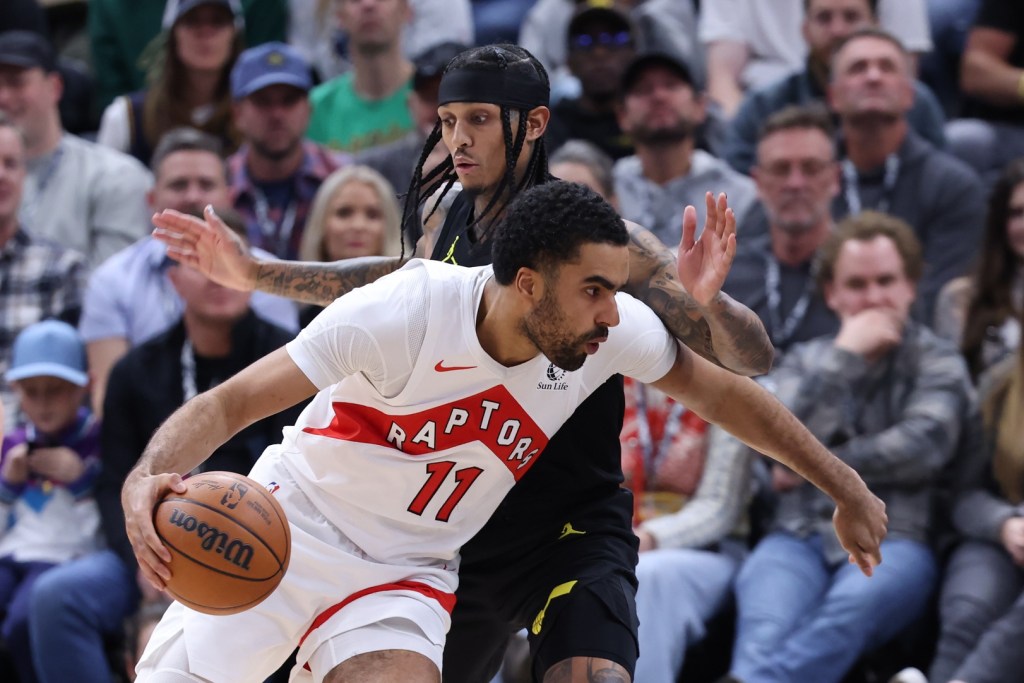
Similarly, all NBA players and employees from the league’s 30 clubs are banned from betting on the NBA or any of its properties—including the WNBA, NBA G League, NBA 2K League, and Basketball Africa League. But players and employees can legally bet on other sports. NBA officials have the most restrictive rules of all, thanks to disgraced referee Tim Donaghy: They’re not allowed to bet on any pro or college sports. NBPA-certified player agents also cannot bet on the NBA games or connected leagues but are allowed to bet on other sports.
If this sounds labyrinthine … it is. Rules can quickly get confusing—and discipline policies are inconsistent even within leagues.
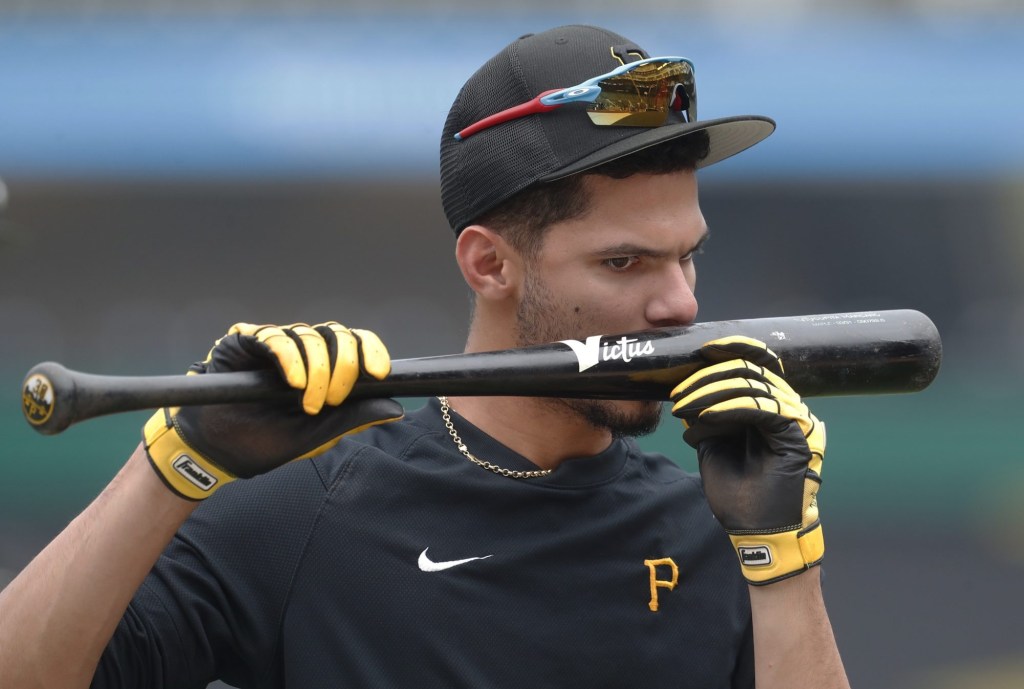
One MLB rule is if athletes are caught betting on games in which the “bettor” has a so-called “duty to perform,” they’re banned for life. MLB permanently banned Marcano this year after learning he’d placed 387 bets totaling $150,000 with a legal sportsbook. He placed 25 of those bets on games involving the Pirates, when he was on that team’s roster. Betting on games involving his own club is also what got Pete Rose, baseball’s all-time hits leader, kicked out for life in 1989. The hardball rule dates back to the Black Sox scandal, in which eight White Sox players threw the 1919 World Series.
However, there’s a difference between betting on games athletes are directly involved in versus those they aren’t. If they’re caught betting “any sum” on a baseball game in which they have “no duty to perform,” they can be declared ineligible for just one year.
And under Attachment 60 to baseball’s Rule 21, MLB players are not allowed to bet on any pro or amateur baseball games, events such as Home Run Derbys or All-Star Games, and in-game situations. They’re also prohibited from having others bet on their behalf or benefit financially from bets placed by others. But infractions don’t always result in lifetime expulsion.
In the NFL, if any of the league’s 1,700 players—who are allowed to bet on other sports, as long as they don’t do it from team or practice facilities, including team hotels—are nailed for betting on NFL games or attempted game-fixing, they can be banned for life. Yet other infractions don’t carry such hefty penalties, and, in some cases, athletes have been shortly reinstated after violating rules.
Although some people in the industry are willing to risk it all in the cases where expulsion is the punishment, for the most part this ultimate consequence keeps many stakeholders from crossing the few hard lines the leagues draw.
And while any suspension will pose an issue, for many in pro leagues, is losing a year of play and salary enough to dissuade people from testing the limits? (Comparatively, Tommy John surgery could take out a pitcher for far longer than a single season, after all.) With relatively lax penalties—in some cases, simply fines—the people governed by these policies often find these outcomes palatable enough to risk.
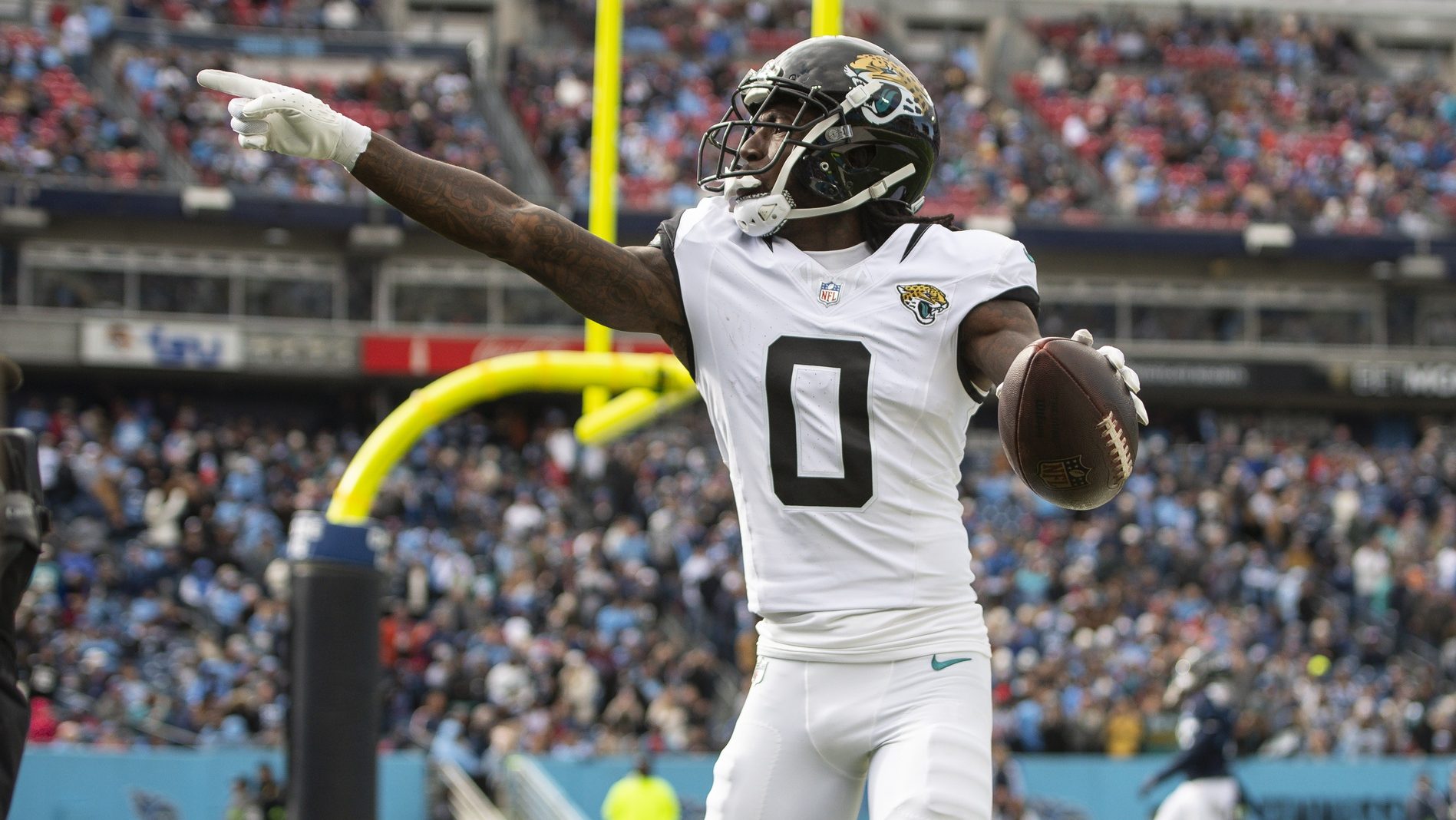
In March 2022, the NFL indefinitely suspended Falcons receiver Calvin Ridley for betting on NFL games during the ’21 season. According to SportsHandle, Ridley placed six wagers on (or including) the Falcons while he was away from the team on the non-football illness list. The suspension cost him the entire ’22 season. But after being traded to the Jaguars, Ridley was reinstated in ’23 and took in $11.1 million in guaranteed money in the final year of his Falcons rookie contract. He had a big season, catching 76 passes for 1,016 yards, including eight touchdowns.
The NFL continues to have other problems despite its strict rules. During Super Bowl week, commissioner Roger Goodell estimated his league had disciplined 13 players and 25 league/team staffers for gambling violations. Two players were suspended indefinitely, but others received only six-game suspensions.
And front office staffers are also continuing to gamble: take Amit Patel, the former Jaguars executive sentenced in March to six and a half years in prison for stealing $22 million from the club to fund his daily fantasy sports addiction. Patel transferred $20 million of the stolen loot to FanDuel, and another $1 million to DraftKings.
Beyond the fact that the scandal is a bad look for everyone involved, there’s another urgent reason to find some way to handle the situation: Since both athletes and employees are widely permitted to legally bet on sports they’re not involved in, there’s plenty of latitude for them to wager big outside their own leagues.
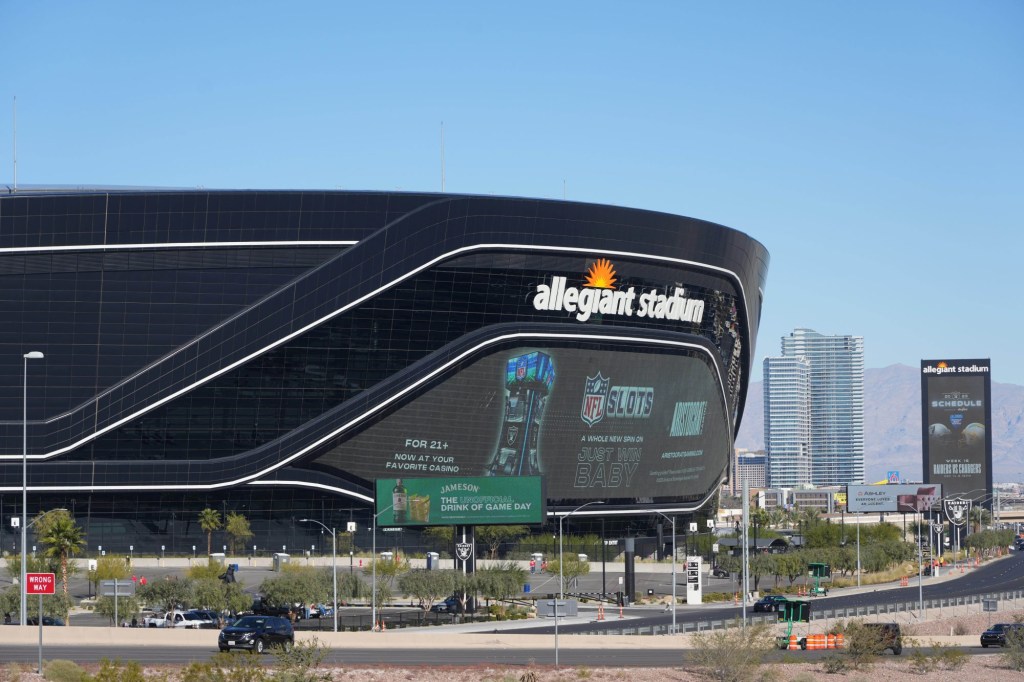
And many do. The dirty little secret of pro sports is that many athletes are gambling addicts, warns investigative journalist and academic Declan Hill.
“The massive undiscussed whale that virtually nobody talks about, particularly the leagues, is the prevalence of gambling addiction among athletes,” says the author of The Insider’s Guide to Match-Fixing in Football. “Sports gambling is an arrow at the heart of one particular demographic: men between the ages of 14 and 35 years old.”
The same traits that make players great on the field—ego, competitiveness, a refusal to quit—can turn them into pathological gamblers willing to bet on the proverbial two cockroaches racing up a wall, Hill says. Golfer Phil Mickelson admitted to worrying behavior while betting on fantasy football and the NFL. “I won’t be betting this year because I crossed the line of moderation and into addiction which isn’t any fun at all,” Lefty tweeted in 2023.
And with revenue-hungry leagues touting betting to the point of near-exhaustion, leagues may be inadvertently breeding a generation of fans, players, and personnel turned betting addicts. “Every league that is in partnership with gambling operators and integrating all of this is putting someone at risk, because the more access you have and the more acceptable [betting] is, the more likely you are to start,” Lia Nower, director of the Center for Gambling Studies at Rutgers University, told ESPN.
If murky penalties that many in pro sports find relatively palatable—in some cases, merely a proverbial slap on the wrist—what can be done?
If sports leagues were smart, they’d ban players from all gambling, according to Hill. But that horse is out of the barn. The sponsorship and ad revenue generated by sports betting is too rich for teams and leagues to give up. And it’s eroding the game overall: The more scandals there are, the more fans will question whether contests are on the level.
“The NFL and all leagues need to take a long, hard look in the mirror because they’re dancing with the devil,” Hill told FOS. “More fans are looking at the sports product and saying, ‘Did that really happen? Or am I watching something scripted?’ As soon as you get to that point, you will see people switching off.”