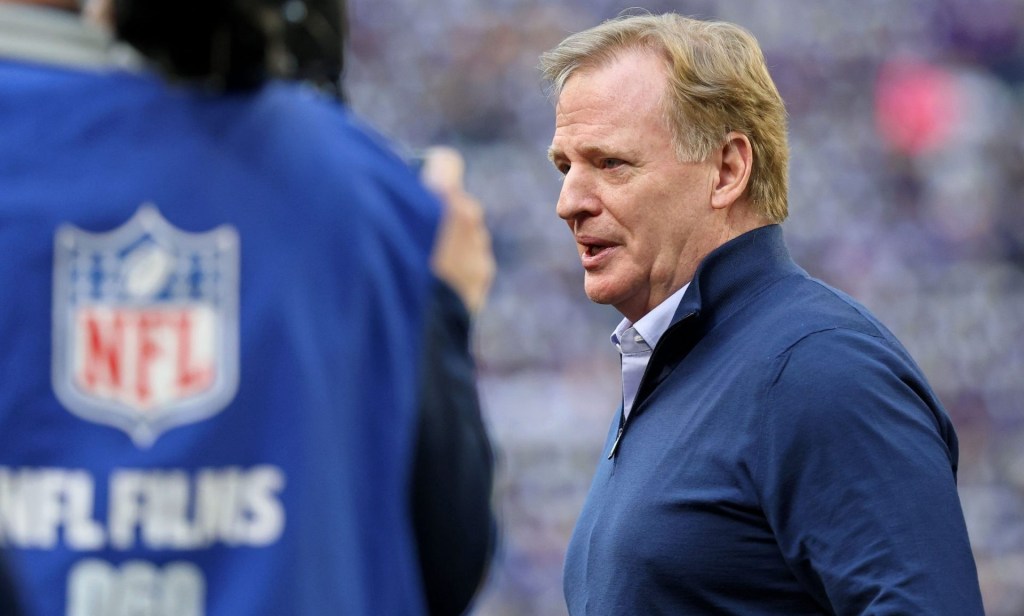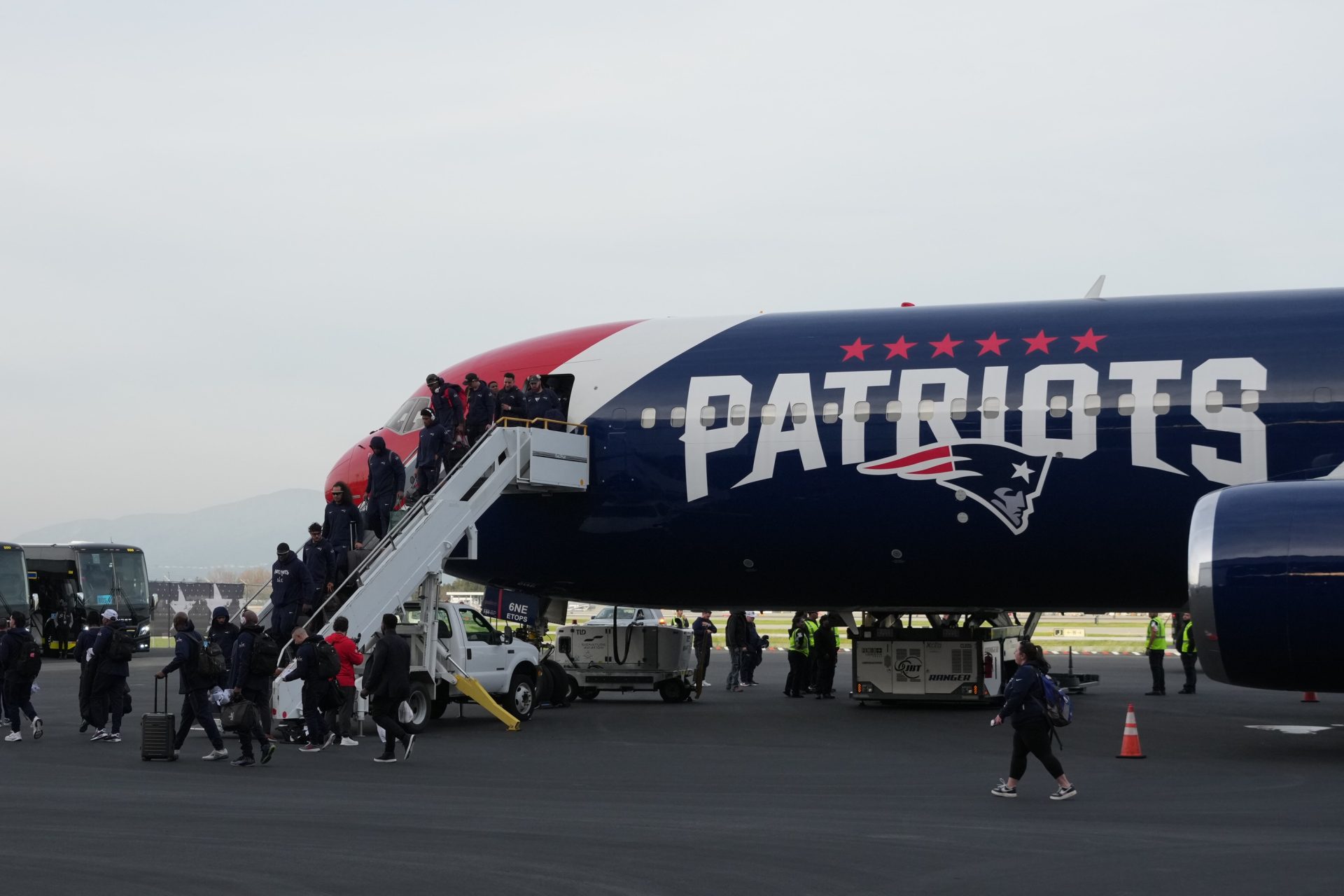
The NFL was the last major North American pro sports league to crack its doors open to private-equity investment. Less than two years later, one of its four PE-backed teams is headed to the Super Bowl.
The Patriots sold a 3% stake to private-equity firm Sixth Street in September at a valuation north of $9 billion. They’ll take on the Seahawks at Levi’s Stadium in Santa Clara, Calif., on Sunday. (The Seahawks are rumored to be the next NFL team that will be sold, and they could be put up for sale soon after the Super Bowl.) New England was the fourth—and most recent—team to take on a private-equity investor since the league formally approved a new policy allowing minority stakes in August 2024.
Robert Kraft remains the majority owner of the Patriots; as part of the same announcement that featured Sixth Street, New England revealed a separate 5% stake had been sold to Greek American billionaire Dean Metropoulos.
Their appearance in the Super Bowl doesn’t suggest private equity played any role on the field. But it does mark a symbolic milestone for a once-controversial ownership structure that the NFL long resisted, even as other major leagues embraced institutional capital.
Under current NFL rules, PE firms can acquire minority stakes of up to 10% in teams, subject to strict limits on influence, governance, and exit options. Stakes must be held at least six years, and the league has the right to require a firm to sell its equity stake if terms are violated.
“There’s all sorts of parameters around how they can participate,” Michael Rueda, head of U.S. sports and entertainment at international law firm Withers, tells Front Office Sports.
Sixth Street is a major player in the sports world, with seven total pro sports franchise investments. Before the Patriots, the firm went in on the then-record $6.1 billion acquisition of the Celtics, led by Bill Chisholm (that record was broken a few months later when Mark Walter—and his business partner Todd Boehly—bought the Lakers at a $10 billion valuation). It also owns a stake in the NBA’s Spurs and MLB’s Giants, as well as soccer teams Real Madrid, FC Barcelona, and Bay FC.
In addition to the Patriots, the Chargers, Dolphins, and Bills have received private-equity investment since the new policy was implemented. Sixth Street’s is the smallest PE stake of the four deals—Arctos Partners, which is in talks to be acquired by KKR, previously purchased 10% stakes in both the Bills and Chargers, while Ares Management acquired a 10% stake in the Dolphins.
The investments come as franchise valuations continue to climb. With regard to the PE deals, the Patriots led the pack with their valuation of more than $9 billion, followed by the Dolphins ($8.1 billion), the Bills ($5.8 billion), and the Chargers ($5.3 billion).
“It’s like an elevator that everyone wants to get in, and everyone hopes it keeps going up,” says one legal industry source who advised on at least one of the NFL private-equity minority investments. “Every time a deal is announced, you wake up the next morning and the team is worth more.”
Although the NFL opened up to private-equity investment, it did so in a limited way. Only a select group of firms was preapproved to invest: Sixth Street, Arctos, Ares, and a consortium that includes Carlyle Group, Dynasty Equity, and Ludis, the latter of which was founded and is led by Pro Football Hall of Famer Curtis Martin. Blackstone Partners and CVC Capital were originally part of that consortium, but in May they removed themselves from the group.
The NFL has remained coy about when it might loosen its rules and allow for additional firms to enter the fray, telling FOS in September “we are not going to provide our playbook.”
But there’s no question additional firms will want in, and teams will be willing to sell minority stakes to obtain liquidity. KKR could become the next firm that invests in NFL teams if it ends up reaching a deal for Arctos (such a transaction would require sign-off from all the leagues in which Arctos holds minority stakes in teams, including the NFL, NBA, MLB, and NHL). According to two sources in the investment banking industry, the NFL could still accept investment from a firm that was not among the preapproved groups; it would just be more complicated.
“It’s a New York City co-op board,” one source says. “That’s how you should think about these leagues. They can change the rules and do whatever they want.”