
Ex-ESPN Reporter Michele Steele Joins Big Ten Network
In early February, the owners of Pride Tape packed up three orders to Germany. The company doesn’t often ship outside of Canada and the U.S., but when the purchases came in for a full case each of the rainbow stick tape, Pride Tape cofounder Jeff McLean wasn’t surprised. After all, Heated Rivalry had just been picked up there.
“The tape sales are following the show around the world,” McLean tells Front Office Sports.
Heated Rivalry, the gay hockey romance show from Canadian streamer Crave, aired by HBO Max in the U.S., became an instant worldwide phenomenon. The tiny-budget production has broken viewership records; put global streamers in a race for the rights; and spurred entire cottage industries of apparel, accessories, and tattoos (both licensed and also very much not).
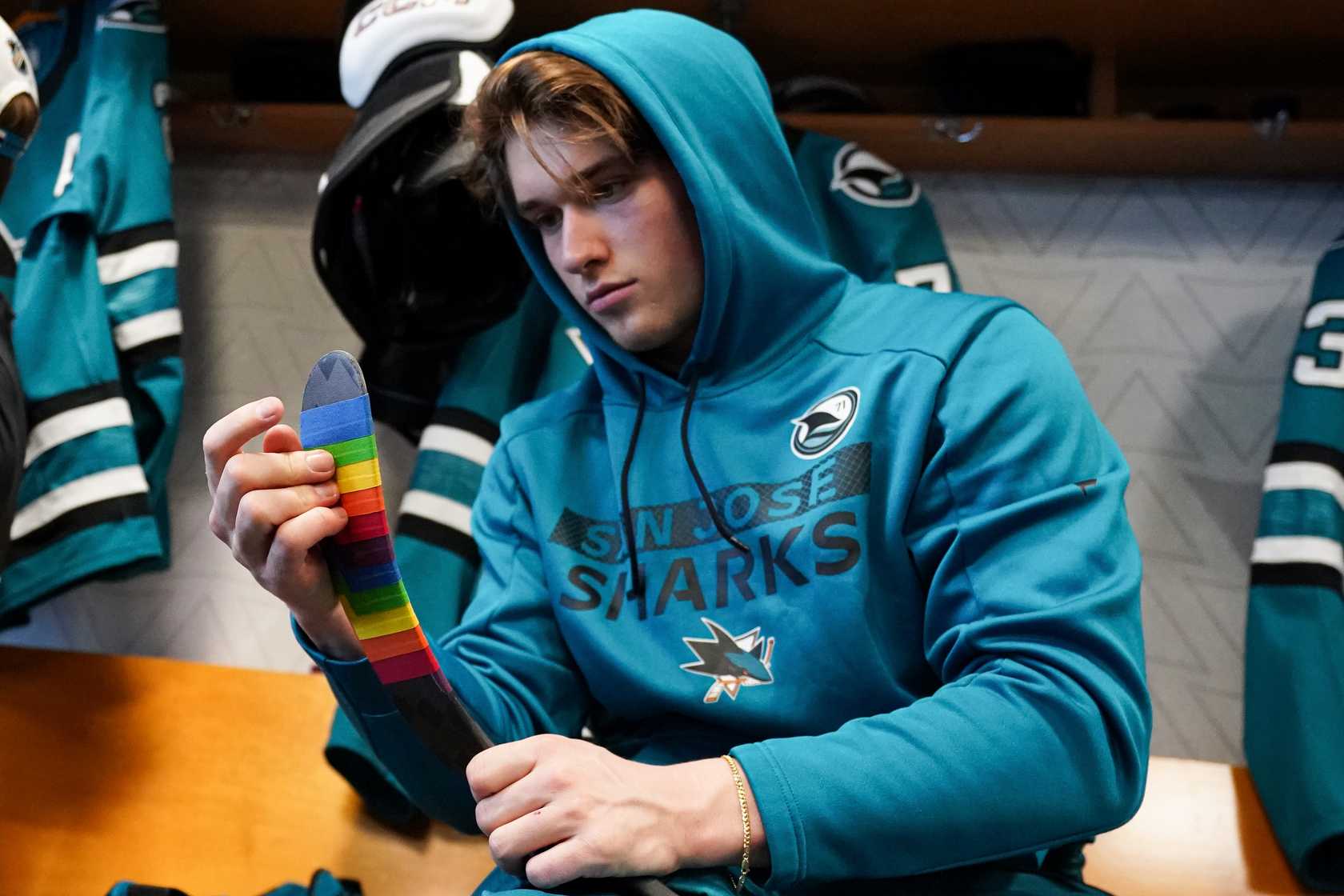
The show’s rabid fandom has boosted sales of the rainbow tape that has become a symbol of pride, allyship, and, in some cases, defiance. Its continued growth, with a perhaps unlikely partnership, comes at an inflection point for a sport that has a rocky relationship with inclusion.
From Ban to Bump
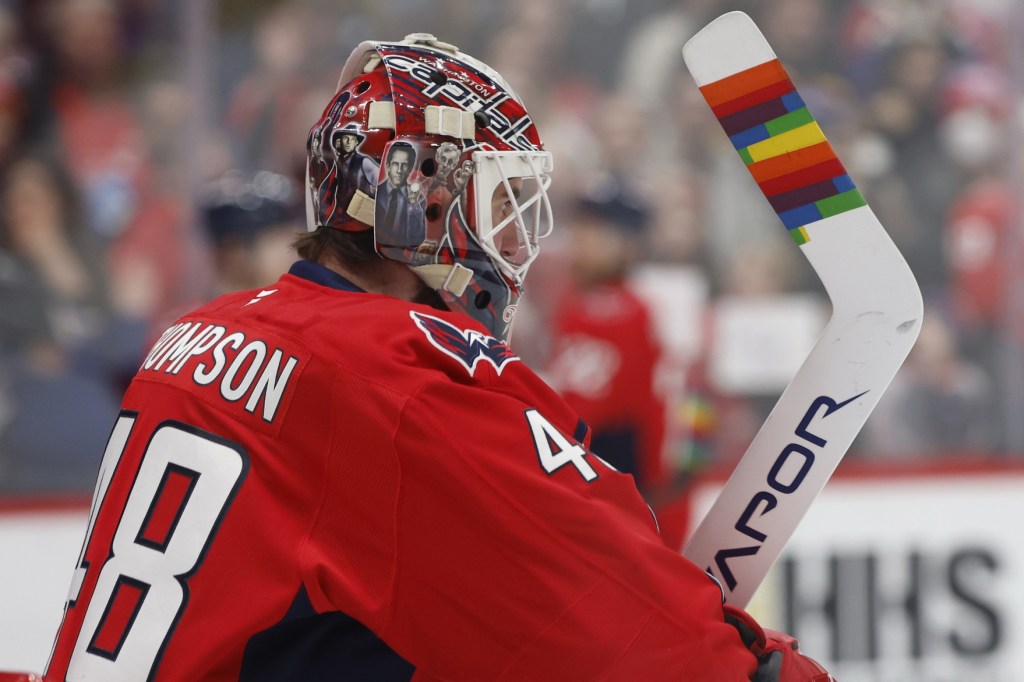
Pride Tape, which turned 10 this year, wraps the sticks of pro hockey players on Pride Nights across the NHL. It’s also increasingly made its way to other leagues including Minor League Baseball and the Premier Lacrosse League.
But Pride Tape is still best known for being briefly banned.
In October 2023, the NHL outlawed the use of rainbow-colored stick tape during warmups, practices, and games. It was part of a new policy that also included taking specialty warmup jerseys off the ice, which was instituted after a handful of players had refused to wear Pride Night–themed sweaters, citing religious and ideological reasons.
A “friend inside the organization” tipped off McLean that the NHL’s decision was coming. Pride Tape braced for at least a monthlong ban.
The first day the league handed down the mandate, McLean found himself fielding requests from four teams that wanted to find other ways to still use the tape if not on the ice. He also got a text from Travis Dermott. The then–Arizona Coyotes defenseman wanted rolls of Pride Tape sent to his house, says McLean. “He said, ‘I’m going to use it anyway.’”
Dermott did. Combined with pushback from fans, advocacy organizations, and other members of the NHLPA, the moratorium lasted only 10 days. (“We have to take our lumps around that,” NHL senior EVP Kim Davis tells FOS.)
That ban was the best thing that’s ever happened to Pride Tape, McLean says. Orders flooded the small Canadian company, which didn’t see itself as a company at all. They were so overwhelmed that Pride Tape’s Dean Petruk recruited his retired parents to help pack and ship the tape out of his Vancouver garage. For the first time, they were sending packages around the world.
‘People Don’t Understand’
After the ban, it’s a reasonable conclusion that Pride Tape has a sour relationship with the NHL. Yet every week, McLean and Petruk have calls with the league office in New York about their joint Pride Cup events. The league works to get tape into the hands of more NHL teams and players, kids’ clinics, and even beer-league tournaments.
“I know it’s weird, because some people don’t want to hear that, right?” McLean says. “It’s not something we purposely keep quiet about, because we’re just going about our business here. But I do sometimes get defensive when I hear the criticisms—people don’t understand [the NHL’s involvement].”
The league’s support quietly dates back a decade, when Pride Tape was “very, very close to not existing at all.” The project was launched on Kickstarter to raise money for the first 10,000 rolls. McLean and Petruk found themselves $7,000 short with less than than a week left—on the platform, falling short means the campaign doesn’t get any money.
The Oilers stepped in and used Pride Tape for its annual All-Star Skills Competition at Rexall Place. Photos from the event ended up on the cover of the Edmonton Journal and other global newspapers, including The Guardian in the U.K. The attention pushed the Kickstarter over the line, enabling Pride Tape to produce its first run.
It also began an official partnership with the NHL starting with the 2016–17 season, which is ongoing. Davis tells FOS the league has put more than $100,000 into Pride Tape throughout the past decade, and coordinates the annual Pride Cup with them.
Aiming for Impact
Right now, Pride Tape is riding the Heated Rivalry wave. The sales boom isn’t quite as monumental as it was following the 2023 ban, but it’s still a slow burn that’s only picking up as the show finds its way around the world.
McLean says the tape and the show are increasingly linked, especially on social media—it also makes a cameo in one of the books in Rachel Reid’s Game Changers hockey romance series, off which the Heated Rivalry show is based. He says Pride Tape has been in touch with Crave about possibly being part of Season 2.
He adds Pride Tape still gives away more product than it sells, mostly through its NHL partnership, and essentially remains a volunteer operation—by day, McLean is a full-time creative director at an Edmonton ad agency.
“It’s still very grassroots, still very low to the ground, but we feel it’s probably exactly what it should be,” he says. But business continues to grow as new fans flock to hockey; an increasing number of NHL players are using the tape; and the PWHL’s rapid growth provides a showcase for the tape that’s already widely used in the women’s pro league.
Overall, initiatives for inclusivity, both within the NHL and across hockey broadly, are increasingly important—the sport has a documented history of toxic culture and discrimination. McLean says Pride Tape even focused on hockey out of the gate because of widespread homophobia within the sport that the founders have witnessed throughout the years.
Hockey’s relationship with inclusivity can sometimes feel like a pendulum swinging from one extreme to another. Heated Rivalry‘s success has been quickly followed by controversy for the U.S. men’s hockey team, which appeared to celebrate their gold medal with President Donald Trump at the expense of the women’s team. The Pride Tape ban, while short, was also part of the constant give and take.
It’s going to take time—and larger moves beyond symbols such as Pride Tape—to put a meaningful dent in an entire sport’s culture. For now, McLean and Petruk are simply happy to be packing more orders across the world to move the needle in any way they can.
“We jokingly say on the other side that we created Pride Tape so one day we don’t need Pride Tape,” says McLean, who’s just come back from L.A., where the NHL invited him to the GLAAD Awards to see Heated Rivalry win best new show. “Our objective is to put ourselves out of business.”