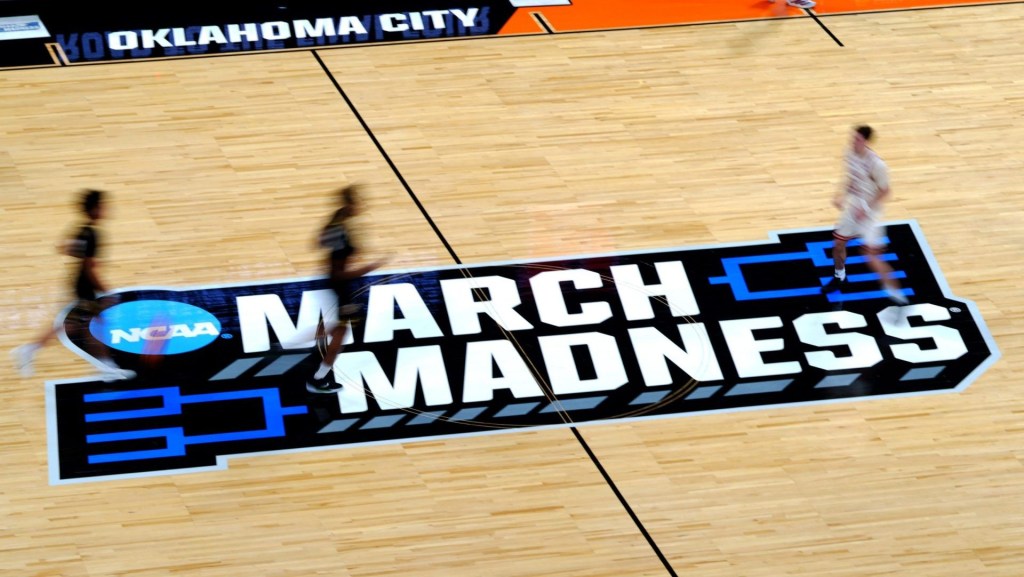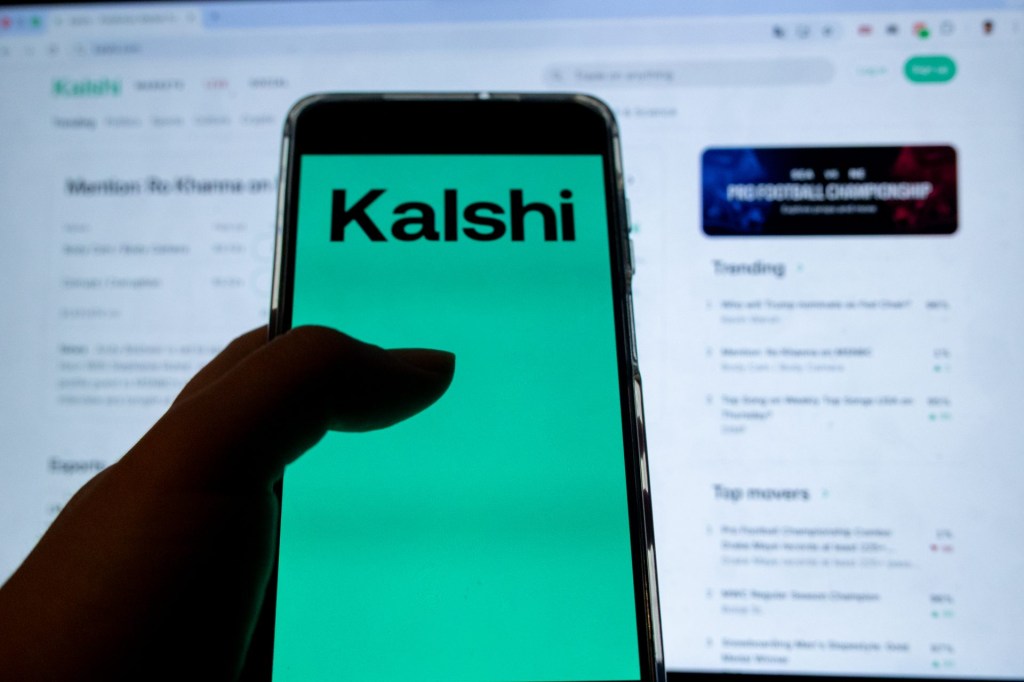
Kalshi announced a $1 billion perfect bracket challenge on Monday without explicitly mentioning “March Madness,” because that is a registered trademark and the NCAA has made clear it will defend its intellectual property.
There was only one mention of “NCAA” in Kalshi’s perfect bracket announcement—the fine print notes that the contest is “not endorsed by or associated with the NCAA.” The college sports governing body has made clear it does not support the rapidly growing prediction-market industry, and it has warned platforms like Kalshi and Polymarket to both stop suggesting an official affiliation and to avoid using registered trademarks to promote their event contracts. (March Madness and NCAA are both on the list of more than 50 trademarks.)
“The NCAA has and will continue to address issues with prediction markets illegitimately using NCAA marks for their offerings and misrepresenting NCAA involvement,” a spokesperson for the organization said in a statement to Front Office Sports.
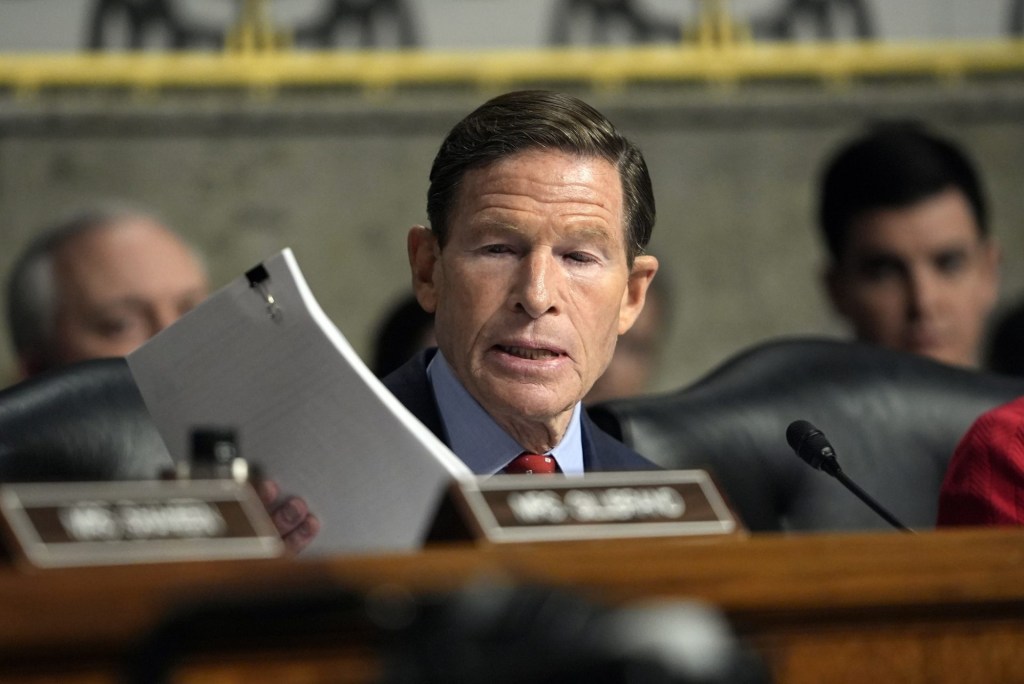
The organization was not swayed by recent guidance from the Commodity Futures Trading Commission, which offered insight into the types of markets the federal regulator says could be vulnerable to manipulation—basically, anything where an individual could have an oversize impact on what happens.
“Sport integrity is paramount for the NCAA, and despite the recent CFTC memo, we remain deeply concerned by unprotected prediction markets that pose a threat to competition integrity and student-athlete safety,” the NCAA spokesperson said.
Still, platforms are charging forward with markets on the NCAA tournament, although, for the most part, they’re using various other terms to describe March Madness.
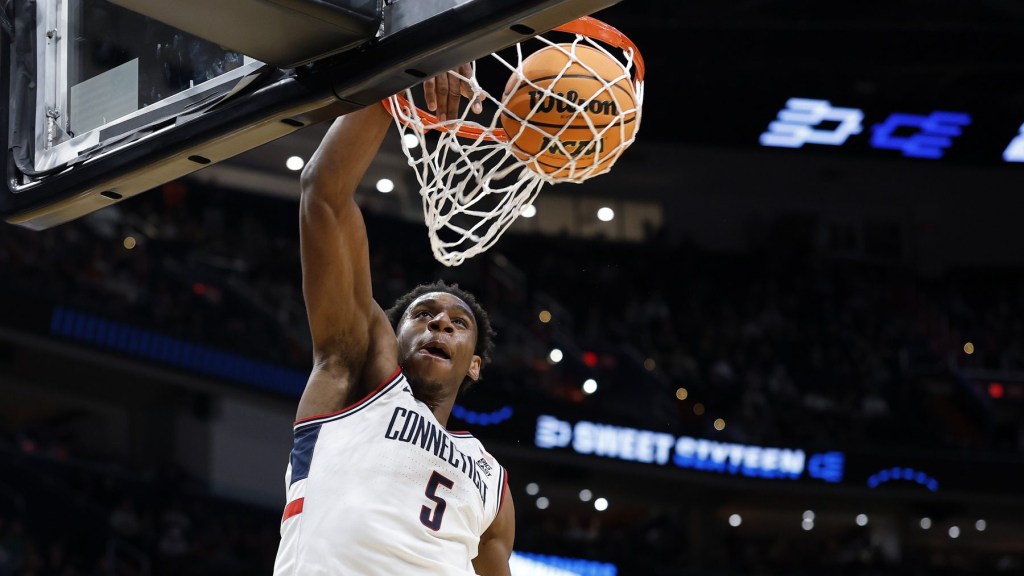
Kalshi allows users to trade on “March matchups.” Polymarket’s international site, which is not regulated by the CFTC, does not use the phrase “March Madness,” but it does use other registered trademarks like “Elite Eight” and “Sweet Sixteen.” Polymarket’s U.S. app, which is regulated by the CFTC, references the NCAA but does not mention other marks registered to the organization.
On Robinhood, users can trade on the “March tournament” for “college basketball,” while Crypto.com’s new platform, OG, allows bets on “the tournament.” Coinbase CEO Brian Armstrong posted on social media that users can “trade March Madness on Coinbase,” but on the actual platform it says “trade the madness.”
The DraftKings sportsbook uses the term March Madness, but its prediction-market platform uses “CBB Tournament.” FanDuel’s sportsbook uses March Madness as well, but its prediction-market platform does not (it allows users to trade on who will win the “men’s college basketball championship”). Fanatics’s prediction-market product also has markets for who will win the “college basketball championship.”
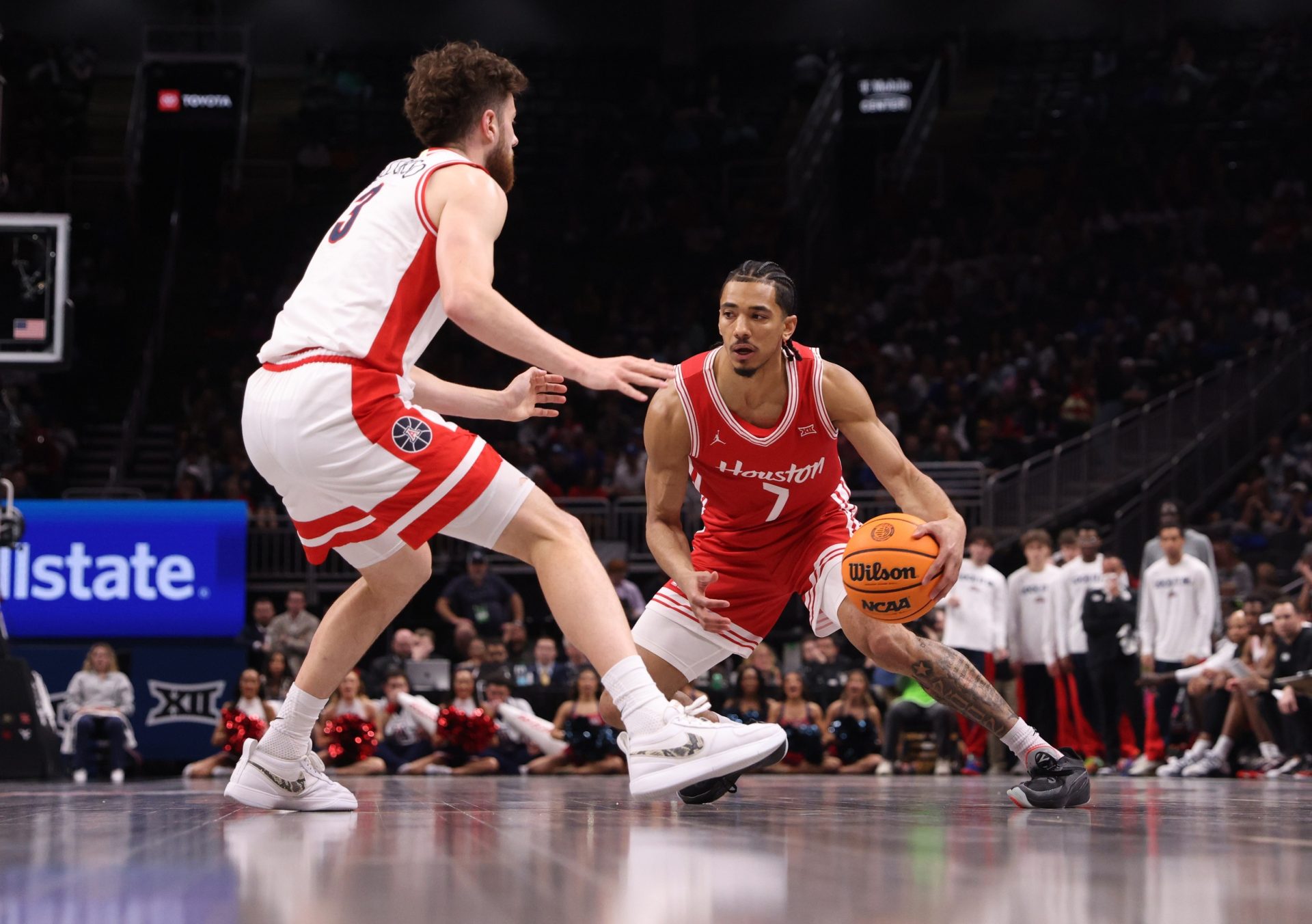
The push by Kalshi and other prediction-market platforms to capitalize on the fervor around March Madness is not surprising; men’s college basketball was Kalshi’s most bet-on sport in February with $2.27 billion in trading volume, higher than both the NFL ($1.8 billion) and NBA ($1.74 billion). When it comes to traditional sports betting, Americans are expected to place legal wagers on March Madness totaling $3.3 billion, according to the American Gaming Association—up from the $3.1 billion forecast by the AGA last year.
Are Platforms Being Too Cautious?
While many of the platforms are being particularly careful not to cross the NCAA, it’s not totally clear whether using terms like March Madness, Elite Eight, or Sweet Sixteen would technically be illegal under trademark law—which might be why the NCAA has not filed any lawsuits.
Trademark law expert and Northeastern University law and media professor Alexandra Roberts tells FOS there is a “fair use doctrine” that allows companies to use someone else’s trademark in order to “convey information about their own goods and services.” Companies should be safe as long as they don’t use a phrase “more than reasonably necessary” and avoid implying an official affiliation where there isn’t one, according to Roberts.
As examples, she says a dry cleaner can announce “we clean UGG boots,” or a company that sells phone cases can advertise the specific types of phones its cases are compatible with.
“If your service station specializes in fixing Volkswagens, you need to be able to say ‘Volkswagen’ to tell people what you specialize in fixing,” Roberts tells FOS.