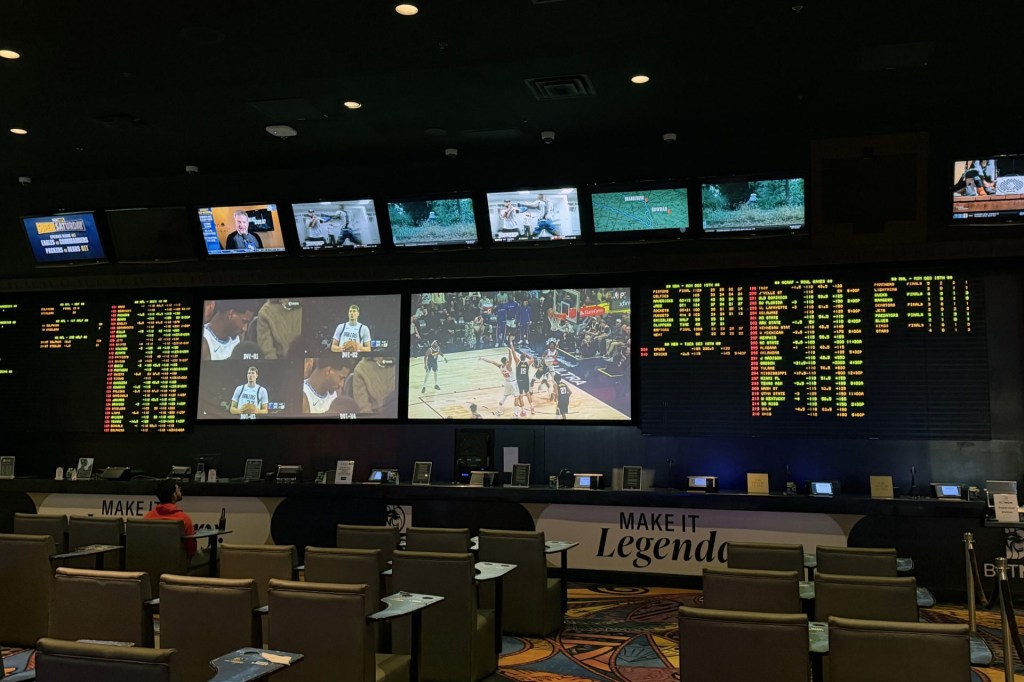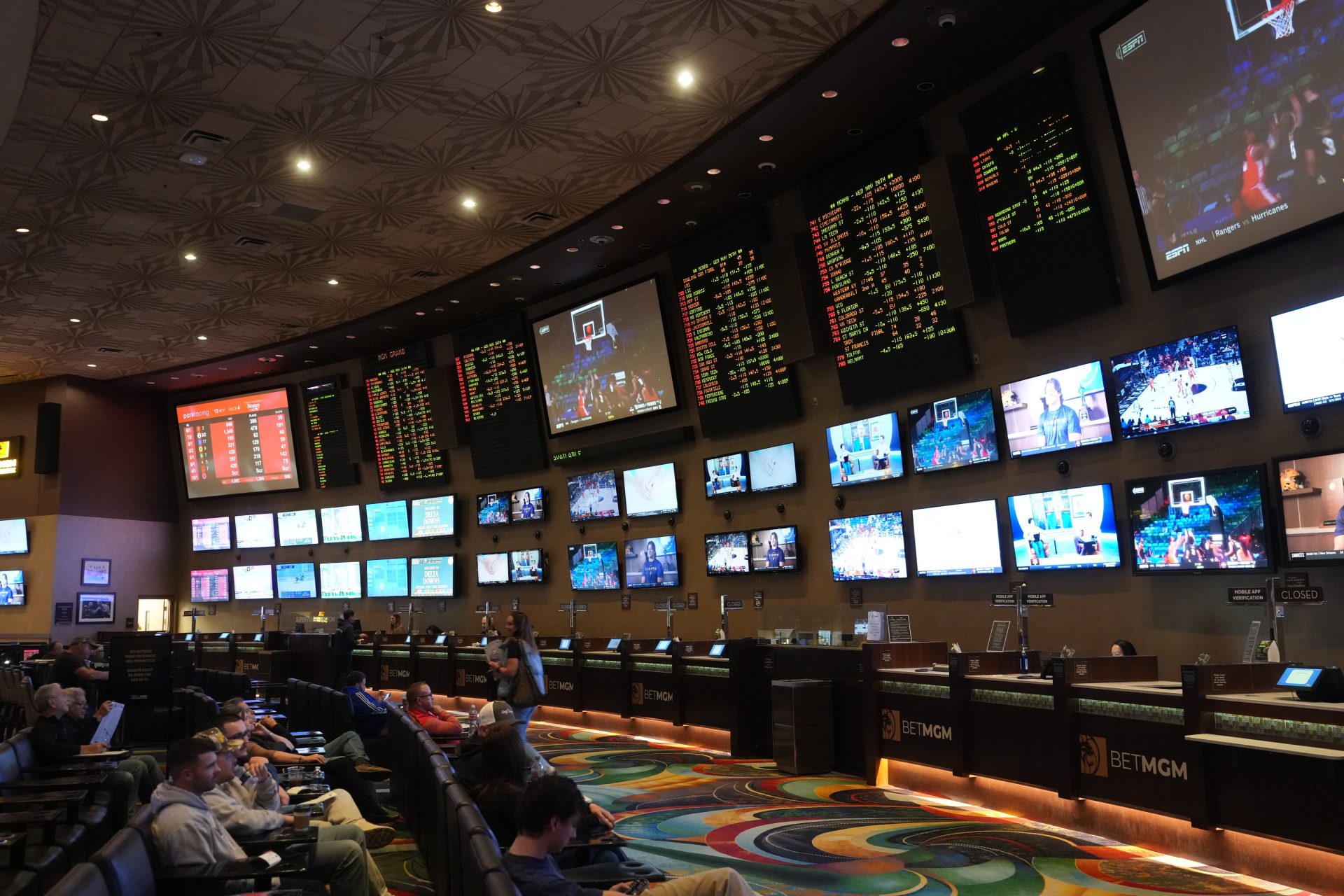
Penn Entertainment is staying out of prediction markets, with CEO Jay Snowden saying Thursday that controversy surrounding sports event contracts has put companies like his in an “awkward position,” and that he hopes the U.S. Supreme Court steps in sooner rather than later.
Snowden, speaking during the company’s fourth-quarter earnings call, was asked about his views on the rapidly growing prediction-market industry, which he previously called a “major threat” to traditional sports betting.
“That’s a fully loaded question on a really controversial topic,” Snowden said. He noted his thoughts “really haven’t changed” since the third-quarter earnings call, which is when he said prediction markets represent a “major threat.” But he elaborated, saying that the legality of sports event contracts is “clear as mud” right now, and that Penn has no plans to risk its gaming licenses, which he called “the most valuable assets we have.”
“When regulators say ‘this is illegal gambling, don’t do it,’ we don’t do it,” Snowden said. He added that it’s “obvious” sports event contracts are synonymous with sports betting, and “I don’t know how you can defend that it’s not.”
He nodded to the various lawsuits winding through the court system—in some cases, platforms like Kalshi have proactively sued regulators, and in others, state gaming agencies have sued platforms, including Kalshi, Polymarket, Robinhood, and Crypto.com.
“This really can’t get in front of the U.S. Supreme Court fast enough,” Snowden said.
Penn, and other companies that focus heavily on land-based casino businesses—like Caesars and MGM—are in an “awkward position” with the rise of prediction markets, Snowden said.
“The best defense is offense,” he said. “We gotta figure out how to play more offense. I have ideas, and have shared those with some of my counterparts. We’ll continue to discuss those ideas with regulators and lawmakers.”
Penn is in sports betting through a business that was rebranded last year to be called theScore Bet. The company previously partnered with ESPN on ESPN Bet, but in November, it began winding down that business two years after its high-profile debut. ESPN changed gears and reached a deal with DraftKings to become the company’s exclusive sportsbook and odds provider. Snowden said on Thursday’s earnings call that Penn’s final payment to ESPN was made in December.
Profits and Peace
As far as financial results are concerned, Penn’s total revenues for the fourth quarter rose from about $1.7 billion in 2024 to $1.81 billion in 2025. For the full year, it reported total revenues of nearly $7 billion, up from just under $6.6 billion in 2024.
The earnings report came just a few days after Penn reached an agreement to end a long-standing dispute with activist investment firm HG Vora Capital Management. Under their deal, Penn added three new directors to its board, and HG Vora withdrew a lawsuit it had filed against Penn in Pennsylvania federal court.


![[Subscription Customers Only] Jun 18, 2025; Philadelphia, Pennsylvania, USA; Fan with a Morocco flag inside the stadium before a group stage match of the 2025 FIFA Club World Cup at Lincoln Financial Field.](https://frontofficesports.com/wp-content/uploads/2026/03/USATSI_26482439_168420755_lowres-scaled-e1773852693149.jpg?quality=100&w=1024)