David Ellison and Paramount Skydance’s $108 billion hostile takeover bid for Warner Bros. Discovery could portend a new strategy for media giants to acquire live sports rights.
Rather than bidding for league rights against multiple opponents, why not buy a competitor—and inherit their rights? It’s a high-risk, high-reward strategy that requires a healthy war chest for acquisitions. With not many major sports rights up for grabs over the next few years, don’t be surprised if more legacy media and giant streamers give it a try.
Look at how Ellison entered the NFL business. This year the smaller Skydance Media completed an $8 billion deal to merge with the larger Paramount Global, owner of CBS Sports.
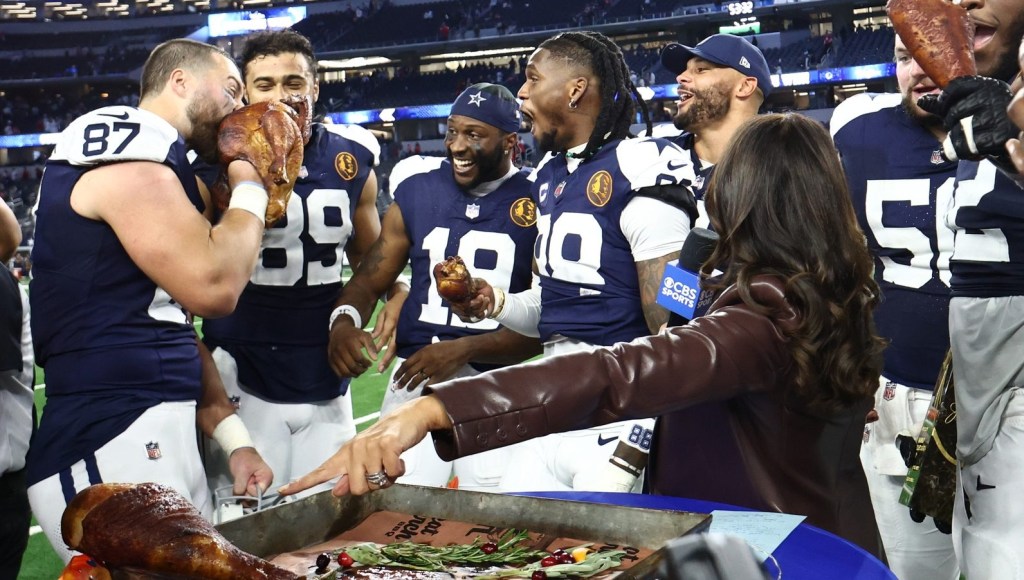
With a stroke of the pen, Ellison grabbed CBS’s AFC game package, which boasts the best QB’s in football, from Patrick Mahomes of the Chiefs and Josh Allen of the Bills to Joe Burrow of the Bengals and Lamar Jackson of the Ravens.
You can be sure Ellison would not have made that move unless the NFL was OK with its AFC broadcast partner coming under new corporate ownership. Sure enough, Commissioner Roger Goodell signalled this summer he would not use a change-in-ownership provision to yank rights from CBS.
“We’ve had a long relationship with CBS, for decades. We also have a relationship outside of that with Skydance,” Goodell told CNBC at Allen & Co’s annual business summit in Sun Valley. “So I don’t anticipate that [an opt-out is] something that we’ll see. We have a two-year period to make that decision. I don’t see that happening, but we have that option.”
Now Ellison is at it again with his hostile bid to break up Netflix’s massive $82 billion deal with Warner Bros. Discovery. The all-cash tender offer from Paramount is backed by a group of partners, including the Ellison family and RedBird Capital Partners. “We’re here to finish what we started,” said Ellison Monday on CNBC. “This is an existential moment for our business.”
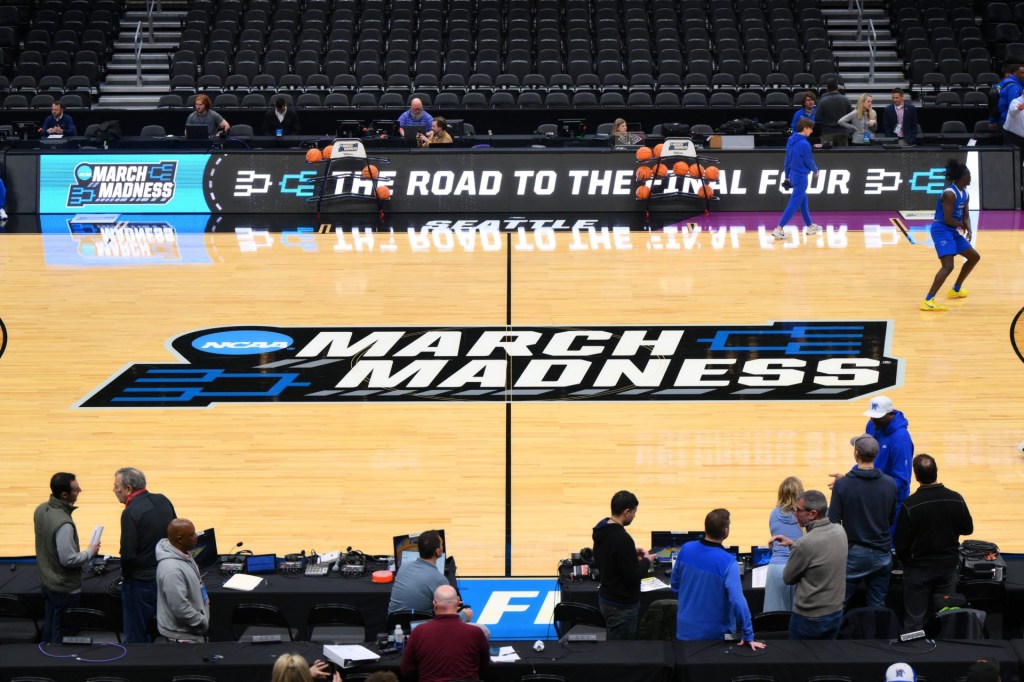
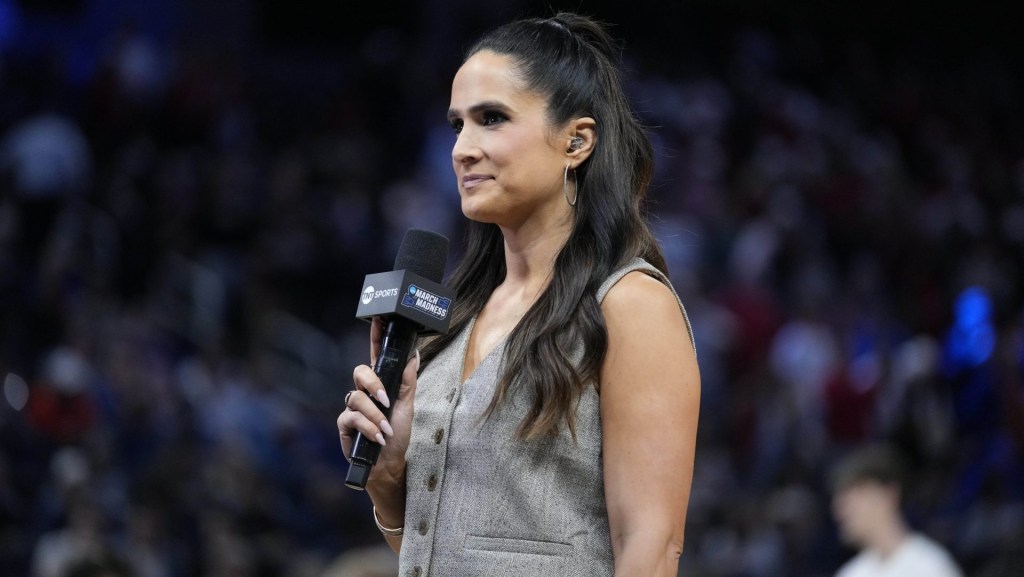
If he’s successful, the son of billionaire Oracle founder Larry Ellison could create a sports media superpower with a treasure trove of live sports rights controlled by CBS and WBD’s TNT Sports. As the cherry on top, CBS and TNT would continue to share media rights to one of the country’s premier sporting events: the NCAA men’s basketball “March Madness” tournament.
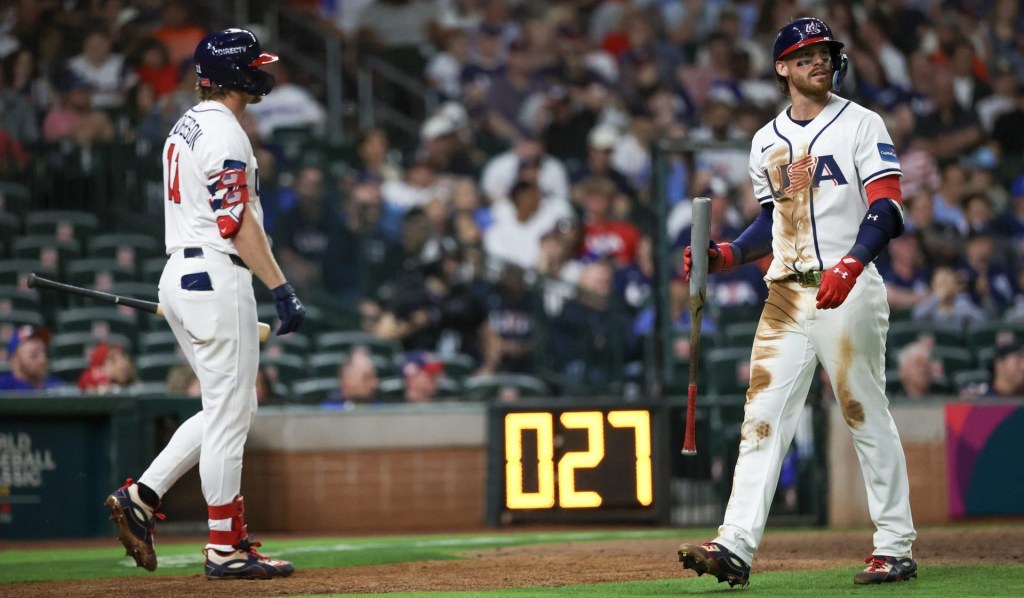
“Their combined sports offerings would rival and perhaps even surpass ESPN for the most comprehensive collection in the industry,” writes my FOS colleague Ryan Glasspiegel. “Paramount and CBS have rights to the NFL, The Masters, PGA Championship, PGA Tour, Big Ten football and basketball, Champions League, and, as of next year, every UFC event. TNT has MLB rights that include two full playoff rounds, half of national NHL games (split with ESPN), some Big 12 football and basketball (sublicensed from ESPN), and College Football Playoff games (also sublicensed from ESPN, with an expansion happening next year). It also has packages in NASCAR, Unrivaled, the French Open, Big East basketball, and AEW.”
This type of Masters of the Universe maneuvering would have been rare a few decades ago. Instead, the traditional way for media companies to acquire sports rights was to engage in an old-fashioned bidding war.
Take Rupert Murdoch’s Fox Broadcasting. Then-upstart Fox shocked the TV world by out-bidding incumbent CBS for the NFC package with a $400 million a year rights offer in 1993. That agreement ultimately turned Fox from the schlocky home of Married with Children and When Animals Attack into a true fourth broadcast network.
Or consider the long sports history of CBS itself. After watching the NFC package walk away to Fox, the network wandered in the wilderness for years with no NFL rights. CBS learned its lesson. In 1998, it made a massive $500 million-a-year bid to beat NBC for AFC rights. At the time, it was thought CBS overpaid for an inferior AFC package. But thanks to the play of superstar AFC QBs like Peyton Manning and Tom Brady, it became a bargain.
Acquiring companies, and inheriting their sports rights, gives media companies more running room, says Patrick Crakes, the former Fox Sports executive turned media consultant.
“You can manage away from older platforms to new ones over time as it makes sense–rather than a hard immediate pivot,” he tells FOS. “Such a strategy recognizes the challenges with streaming from an economic perspective today, but positions you for a more consolidated, collated and bundled digital distribution system in the future that will be profitable while leaning into established platforms that are profitable currently.”
With MLB, NBA, NFL, UFC and WWE all signing deals the last few years, the cupboard is bare on available rights. That makes legacy media giants like Disney more valuable. But it could also make them acquisition targets. It’s been 20 years since the Mouse House fended off an acquisition attempt by Comcast. But never say never. There’s been speculation for years that Apple might take a run at Disney and ESPN.
As Crakes says: “In fact, that’s where a lot of value is for these established media companies. You get rights, and then look at the platforms they’re on, and what matches up with your existing platforms and portfolio of rights, and then twist the dials.”
Editors’ Note: RedBird IMI, in which RedBird Capital Partners is a joint venture partner, is the primary investor in Front Office Sports.